
Why a structured approach matters
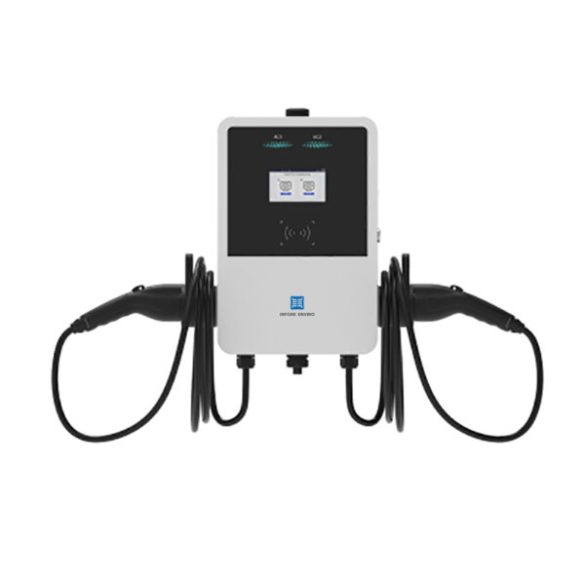
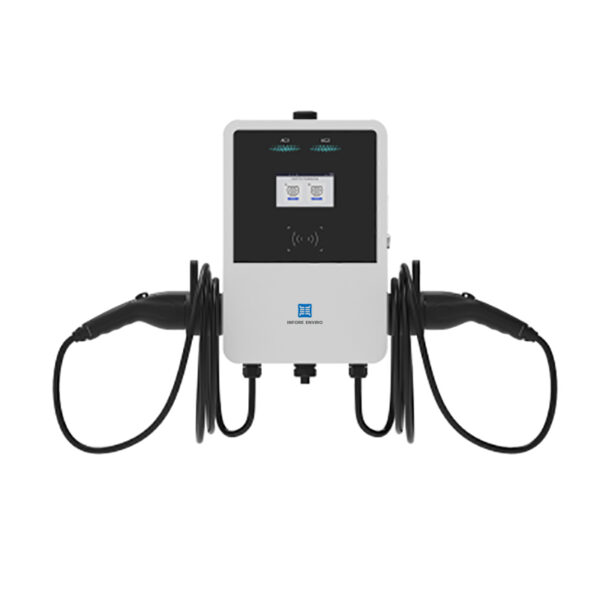
Maintaining high-availability charging hardware across varied climates requires a clear framework rather than ad hoc fixes. This note lays out a compact, actionable plan that service teams can follow. For fleets and site managers using a dual port EV charger, consistent checks reduce downtime and extend asset life. The framework below groups inspections, preventive tasks, and corrective actions so teams know what to do and when.
Phase 1 — Environmental profiling and risk mapping
Start by mapping local stressors: extreme heat, freeze–thaw cycles, high salinity near coasts, and frequent dust or pollen. Document exposure levels and expected seasonal swings. Use this profile to choose enclosure IP ratings and to set maintenance cadence. Thermal management choices and ingress protection—IP65 or above—should align with the most severe local condition. Real-world anchor: Norway’s cold-weather charger studies show that chargers deployed in subzero conditions need faster battery-heater and connector-heater cycles to avoid power derating during peak winter months.
Phase 2 — Weekly to quarterly checks (routine)
Make routine checks predictable and simple. Weekly logs should capture connector wear, cable flex, and user cord handling. Monthly checks include firmware versions, event logs, and a quick verification of ground continuity. Quarterly, inspect seals, ventilation paths, and conduit entries for corrosion or blockage. Keep attention on overcurrent protection settings and the status of cooling fans; those components age faster in dusty environments. Document every action in a shared maintenance log so patterns are visible.
Phase 3 — Preventive maintenance and parts plan
Schedule filter and fan replacements before end-of-life to avoid cascading failures. Maintain a local spare-kit that includes replacement contactors, gaskets, and a field-replaceable power module. Calibration and software-health checks belong on a six-month cadence. Service teams should prepare for power derating events by scripting automatic notifications to operations staff—this lets sites manage throughput without guesswork. Keep an approved parts list and torque chart for panel fasteners to avoid loose electrical connections.
Troubleshooting flow and common mistakes
When a fault occurs, follow a clear triage: (1) isolate the unit electrically; (2) gather log files and environmental context; (3) swap to a spare module if available; (4) test under controlled load. Common mistakes include skipping environmental checks after storms and assuming a firmware update always fixes hardware alarms. Avoid swapping parts without log analysis—doing so can obscure intermittent faults. For coastal sites, corrosion on mating surfaces is often missed until contact resistance rises.
Integration and vendor coordination
Maintain a simple escalation chart that lists vendor support lines, firmware compatibility matrices, and approved remote-access windows. When coordinating with vendors, provide clear evidence: event timestamps, ambient conditions, and recent maintenance actions. Consider a service-level compact that defines response times for battery-heater faults and connector replacements. For mixed fleets, evaluate chargers alongside vehicles to ensure cable length and current capacity match expected usage—this is where a dual output car charger can simplify standardization.
Key tools and monitoring metrics
Equip teams with infrared thermometers, insulation testers, and a basic data-logger for voltage/current. Track three primary metrics: uptime percentage, mean time to repair (MTTR), and connector contact resistance. Secondary useful signals are ambient humidity and particulate index near the charger. These metrics help prioritize interventions and justify spare-part inventories to procurement.
Practical tips and a small human aside
Label cables clearly and store spare connectors in humidity-sealed bags. Train local site staff on connector mating technique—poor insertion is surprisingly common and avoidable. A quick note—carry an extra set of gloves. Small comforts make repeated site visits less fatiguing and often speed work.
Advisory close — three golden rules for selecting maintenance strategies
1) Match maintenance frequency to environmental severity: harsher climates demand shorter intervals. 2) Prioritize metrics that measure functionality, not activity—uptime and MTTR beat checklist completion. 3) Standardize parts and procedures across sites to reduce repair time and avoid stock fragmentation. These rules focus scarce resources where they produce measurable reliability gains. Practical. Reliable. Tested. INFORE ENVIRO