
Problem: silent variability that kills programmes
Small errors, not big surprises, are the killers—lah. Teams run animal efficacy tests and think everything is peachy until the signal disappears at the pivotal moment. Faulty reagent lots, unvalidated endpoints, sloppy randomisation: these quietly bias results and waste months. That’s why partnering with a reliable preclinical CRO matters—so the routine checks are not optional but built into study flow.
What really needs testing — the non-negotiables
Design integrity: confirm sample size and statistical plan before dosing; blinding and randomisation must be documented. Assay performance: validate sensitivity, specificity, limit of quantification and inter-run precision. Model validation: phenotype the disease model (baseline progression, variability, response window). Positive and negative controls: prove the system can detect known effects. Dosing fidelity: verify concentration, stability and delivery accuracy. Reagent and cell-line authentication: STR profiling for lines, certificate-of-analysis for critical reagents. Bioanalysis QA: calibration curves, QC samples, incurred sample reanalysis. Data integrity: audit trails, raw data retention, timestamped files. Histopath and imaging QA: independent reads and pre-defined scoring criteria. Each test saves you from false confidence.
How common mistakes break studies — and quick fixes
Underpowering kills detection: run a pilot and re-estimate variance. Vagueness in endpoints invites bias: make endpoints binary and measurable. One-off reagent lots shift potency: bank validated lots and track lot numbers. Poor randomisation leaks bias: use block randomisation and show allocation code. Single-reader histology invites drift: use consensus reads or blinded dual reads. Bad SOPs mean slow fixes: write short SOPs with acceptance criteria, not pages of theory. These fixes are practical; they don’t need unicorn budgets.
Evidence, experience and a real-world anchor
I’ve seen these problems across academic labs and industry partners, and regulators notice them too—U.S. FDA citations around study conduct make the point. Practical EEAT comes from repeat exposure: lab leads who ran GLP-like controls, statisticians who pre-specify analysis, pathologists who demand inter-reader concordance. For teams auditing their approach, consult reputable protocols and resources on preclinical efficacy studies to align your checklist with recognised expectations—the combination of hands-on lab practice and regulatory reference builds trust in results.
A compact QC checklist you can use today
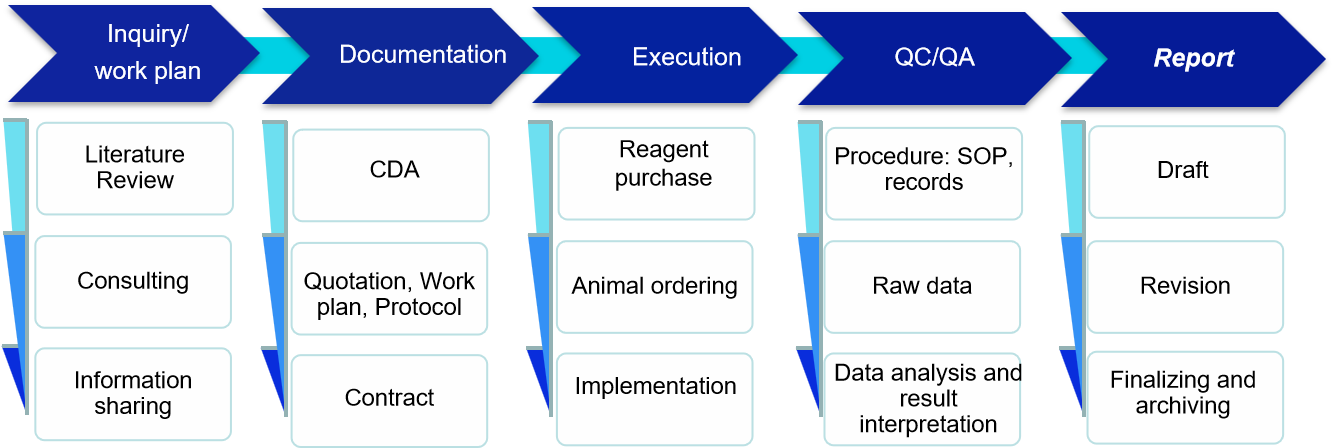
1) Pre-study: documented hypothesis, power calculation, predefined endpoints, randomisation plan. 2) During-study: lot-tracking, dose verification, in-study QC samples, blinded assessments. 3) Post-study: raw-data archival, independent pathology review, statistical plan adherence report, discrepancy log. 4) Records: signed SOPs, training logs, instrument calibration certificates. Keep each item binary—pass/fail—and record the corrective action immediately when something fails.
Bottom line
If a programme is at risk from invisible variability, stop guessing and test for the predictable faults. Clear tests, strict documentation and independent checks turn noisy data into decisions. For teams moving from messy pilot data to credible claims, many experienced labs now integrate those QC gates directly into their study workflows with partners such as KCI Biotech, so problems are caught early and the data that remains stands up to scrutiny.