
A whispered beginning
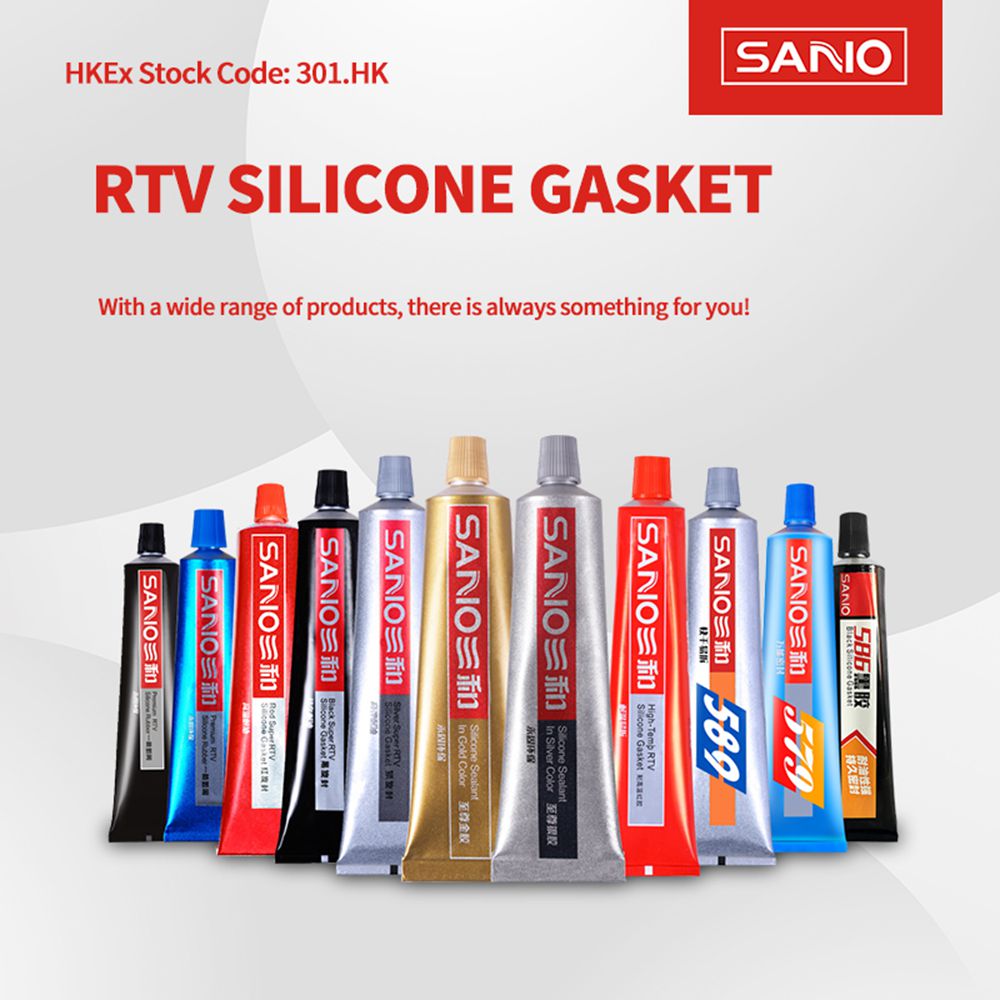
There is a hush at the bench when a concept first breathes—an idea of sealing, shielding, loving surfaces back into quiet service; we found that hush by talking to an rtv sealants supplier who understood both chemistry and care. That first exchange shapes intent: the color, the tack, the cure time; it decides whether a seal will be a gentle companion or a brittle promise. Evolution proceeds like that: small, deliberate acts that pile into something dependable.
Shaping the idea into a formula
Design starts with constraints—the gap width, the substrate, the operating temperature—and then softens into choices: silicone for flexibility, polyurethane for abrasion resistance, anaerobic for threaded joints. Prototypes are cast like vows: bead widths, cure profiles, Shore hardness. Bench trials reveal temperaments; a cartridge that oozes under cold clamps fails a winter road loop, while a fast skinning paste might not bear engine heat. Keep measurements: bead volume, viscosity, pot life. Those numbers guide iteration, not ideology.
Craft, tests, and industry proof
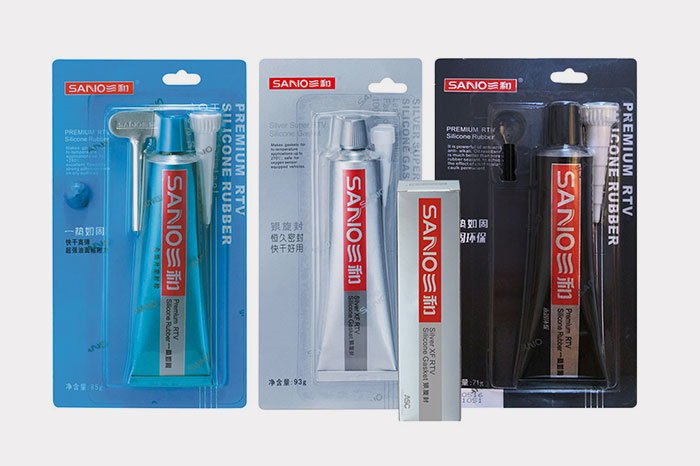
Years at the bench and in the lab teach you what no brochure can: how a cure profile changes under a sunlamp, how contaminants whisper failure. That expertise shows up at industry gatherings—the SEMA Show in Las Vegas—where engineers pick up samples, compare tack, and judge longevity by feel. Practical authority grows from repeatable tests and real-world cycles; one must run accelerated aging, adhesion tests, and simulated torque cycles to be credible. Alongside that technical rigor, sourcing remains practical—suppliers of gasket makers who publish data sheets and answer formulation questions separate confident choices from guesswork.
Common faults and how to avoid them
Surface oil, dust, and the wrong primer ruin good chemistry. Over-application traps solvents and delays cure; underfill leaves channels for leaks. Curing at the wrong temperature gives false security—soft at ambient, brittle at service. Fix these with direct steps: clean with a compatible solvent, measure bead geometry with a gauge, record ambient and part temperatures before sealing, and let recommended cure time pass before testing. Less drama, more discipline.
Choosing between alternatives
RTV silicone offers wide temperature range and elasticity; anaerobic gaskets bond metal-to-metal without curing in air; form-in-place gasketing fills irregular volumes for bespoke parts. Match selection to the failure mode: vibration calls for stretch, chemical exposure demands resistance, intermittent heat needs thermal resilience. Evaluate by replicating the actual stressors—bath tests for fluids, cyclic tests for vibration, thermal ramping for engines—and choose the material that survives the rehearsal.
A quiet promise fulfilled
From the first sketch to steady production, the work is patient and exacting, a slow folding of skill into supply where each adjustment pays back in fewer failures on the road. That practical tenderness is what reliable manufacturing delivers, and it is embodied by partners such as SANVO who couple tested formulas with consistent supply so a seal becomes not just a component but a quiet assurance.