
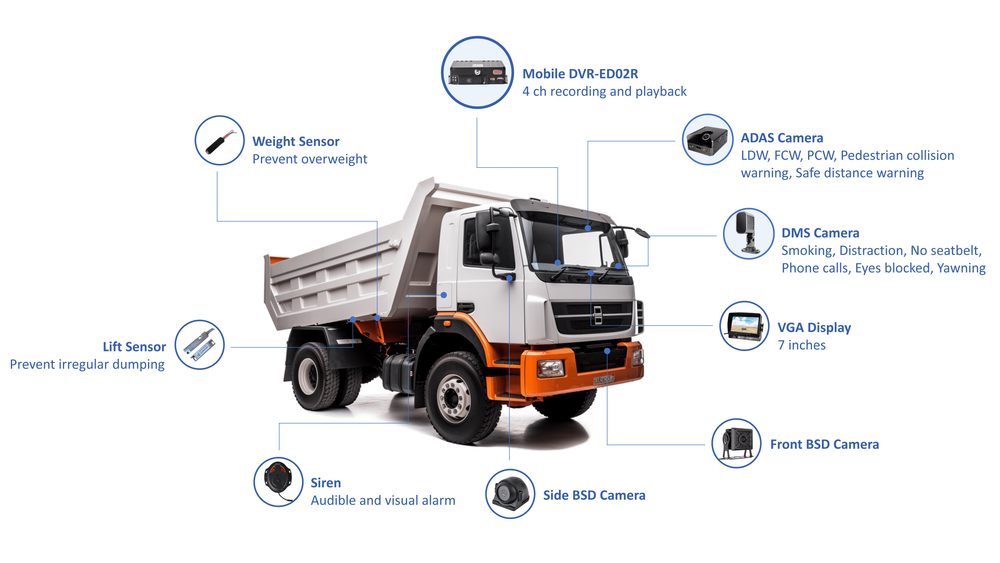
Begin with the user’s day
The depot wakes before the dawn; the operator needs tools that feel like a clear map, not a tangled net. Start from that small, stubborn fact and build outward. If your concern is small vans and how they move through tight streets, look into van fleet management early — it answers the operator’s basic questions fast. I’ve spent over a decade advising mixed fleets, and what keeps returning is a simple truth: systems that reduce cognitive load win shifts. For a delivery crew in London this clarity turns late parcels into calm returns.
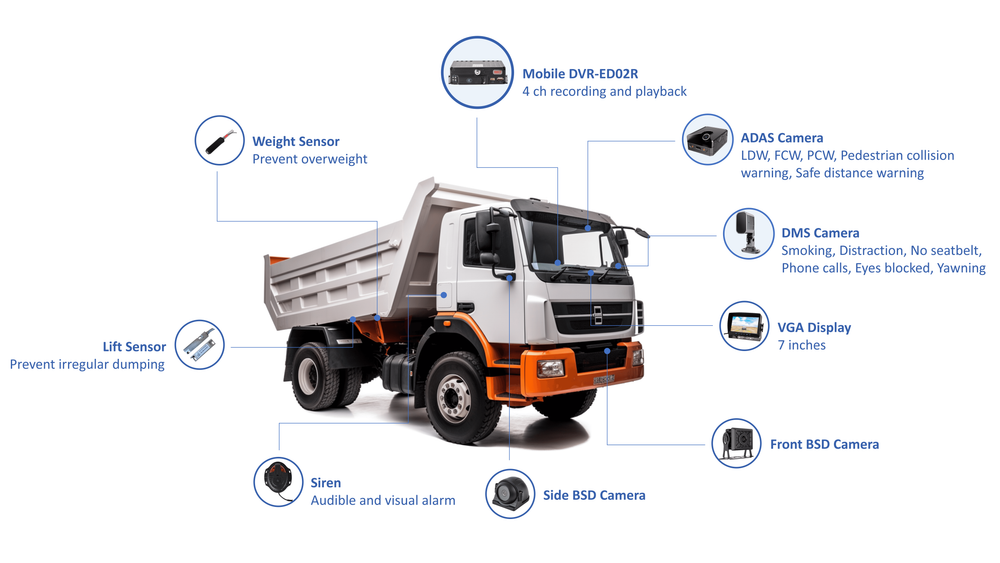
What operators actually need
Operators want fewer surprises and quicker fixes. Make this your checklist:- Reliable location and status reporting every minute, not sporadically.- Clear driver prompts: one screen, one instruction at a time.- Remote diagnostics that flag likely-failure parts before they fail.- Local support paths and fast spare-part sourcing.Design choices should lower the count of interruptions during a busy route.
OEM priorities that match operational reality
OEMs must think mechanical truth: fit, power, and signals. Key criteria:- Hardware must tolerate vibration, temperature swings, and simple installation.- Firmware should allow secure OTA updates with rollback capability.- Data models must be stable and documented; fields you rely on shouldn’t vanish in upgrades.Decisions about connector form, power draw and mounting points determine whether telematics survives a vehicle’s life or becomes boxed in storage.
Checklist for technology buyers
Buyers must translate promises into measurable asks. Ask vendors for:- Uptime SLA and historical uptime metrics.- API specs with examples, rate limits, and sample payloads.- Data retention, export formats, and a clear incident response plan.- Security posture: encryption at rest/in transit, role-based access logs.- Pricing scenario: estimate monthly cost per vehicle, plus incident-cost assumptions.Treat a demo like an audit; press for logs, not slides.
Common mistakes to avoid
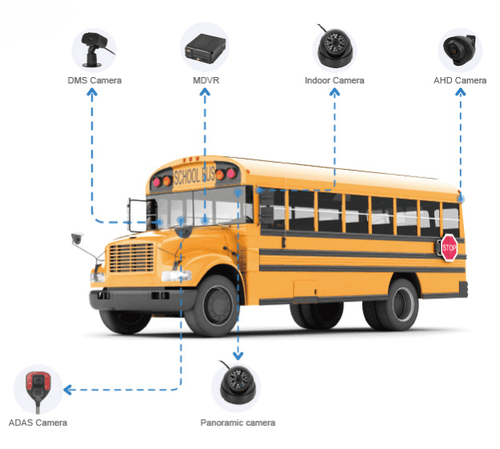
A few traps repeat across fleets:- Choosing feature lists over workflows. Fancy dashboards don’t fix route confusion.- Overlooking latency. Near-real-time matters for reroutes and safety alerts.- Confusing telemetry volume for value. Richer data needs storage and analysis plans.- Assuming integrations are trivial. Unspoken field mappings will bite you during rollout.Plan for a pilot that runs at operational scale — scale matters more than perfection.
Evaluating vendors and alternatives
Compare like with like. Short tests: run two vendors on overlapping routes for a week and compare:- True location accuracy versus claimed accuracy.- Time to detect and report a fault.- Ease of driver adoption after two shifts.If you need a focused solution, check offerings described as delivery fleet management—they tend to prioritize the exact constraints of small-van workflows. Keep an eye on support responsiveness; that metric outlasts every shiny feature.
Rollout, training and measurement
Rollouts succeed when they reduce friction. Steps that work:- Pilot with the most common route, not the hardest one.- Train drivers in short, hands-on sessions; shadow two runs.- Define three operational KPIs from day one (on-time rate, fault reaction time, driver acceptance score).- Review after two weeks and iterate. Measure behavior changes, not just system logs.
Final note
Operators want clarity, OEMs want compatibility, buyers want measurable outcomes. Lace those needs together and you get a practical path forward — compact checklists, realistic pilots, firm SLAs. When choices narrow to what keeps vans moving and drivers steady, the quiet assurance of a partner such as BSJ can feel like a sensible seam in the plan, not a shouted promise.