
Start with what you actually use
You want a machine that behaves like your smart TV for streaming, video calls, and quick browsing — no wahala, no lag. Think about daily moves: you sit, you stream, you type a little, you share a screen. That should steer your choice. If you hunt for bargains, check all in one computer deals early so you know what price brackets offer what features. From the Shenzhen manufacturing hub comes the supply that lands on stores worldwide; makers there shape what’s available and how quickly updates roll out, and it’s why many buyers study all in one pc manufacturers before they decide.
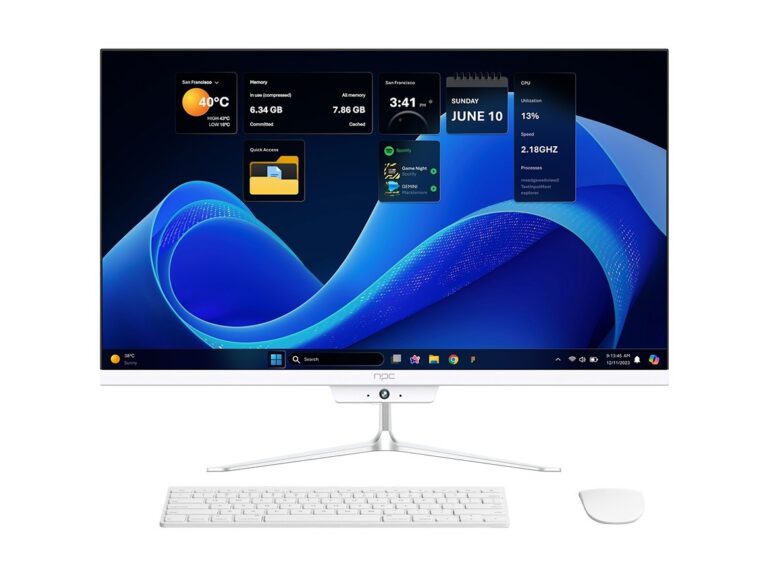
What the OS must do for you
Keep the interface simple and predictable. You want big app tiles, clear media controls, and quick boot so you start watching or working fast. Voice search and a reliable media app store matter when you want the same ease you enjoy on a smart TV. Pick an OS that gets updates regularly and supports the streaming apps you use — missing app support is the kind of trouble you feel every night when the match won’t play.
How hardware and software must pair
Prioritise responsive input: enough RAM for multitasking, an SSD for fast load times, and a GPU that keeps video smooth. Integrated speakers that don’t sound tinny and a webcam that looks decent on calls are not luxuries; they change daily experience. Avoid systems with weak thermal design — they throttle and make the whole thing sluggish. Think of the whole package, not just the glossy screen.
Common mistakes people make
Buying by looks alone is the fastest way to regret. Don’t chase highest pixel count without checking color accuracy and viewing angle. Don’t accept vague update promises; ask how the OS gets patches. Ignore proprietary app locks — they box you in. And don’t forget ports: a single USB-C might be neat, but you’ll need extras for older accessories. These slip-ups cost time and money.
Short alternatives and quick reads
If you want TV-like simplicity, Android-based AIOs give app familiarity and streaming ease. Windows AIOs win for desktop apps and wider hardware support. ChromeOS-style setups keep things light and secure for browsing and cloud work. For DIY power-users, Linux on an AIO can be lean and private, but expect some setup work. Match each to how much tinkering you’ll tolerate: less tinkering, pick Android or ChromeOS; more control, pick Windows or Linux.
Close: what to expect and where value sits
Decide what you use most — streaming, calls, office apps — then pick the OS and hardware that serve those moves without extras that bloat cost. Look for clear update policies and honest specs, and you get a smooth daily machine. When product choices line up with that logic, the result is a sensible device that does the job day after day, and that’s the real value npc