
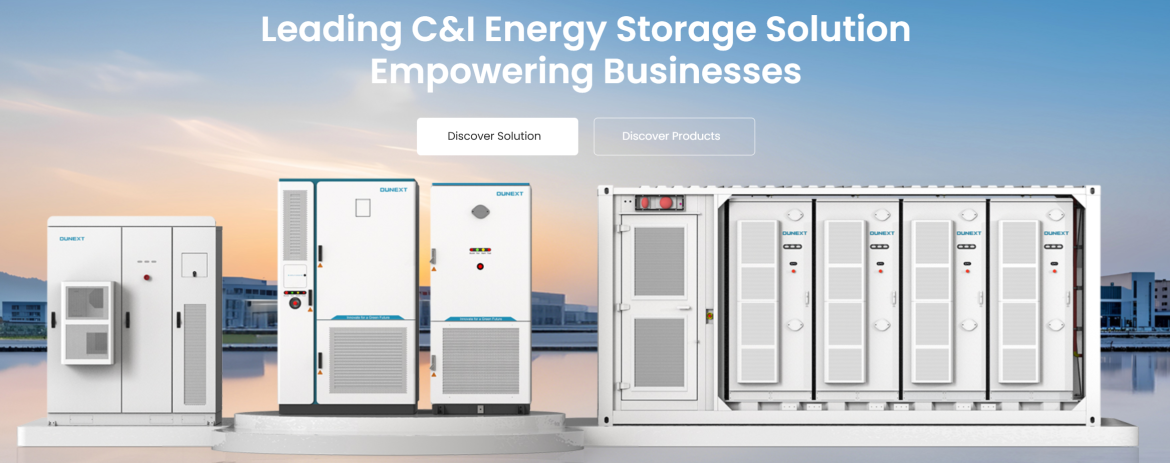
Comparative framing
Buyers decide between diesel generators, on-site batteries, and utility scale energy storage based on measurable trade-offs: capital intensity, dispatchability, footprint, and revenue potential. A comparative lens exposes where each solution wins or loses against operational goals and balance-sheet constraints.
What to compare first — capacity versus power
Treat power (kW) and energy (kWh) as separate line items. Power determines immediate load support; energy determines duration. Specify both requirements explicitly:- Required kW for peak critical load;- Required hours of autonomy (kWh = kW × hours);- Minimum continuous discharge rating and surge handling.If an offer lists only kW or only kWh, the proposal is incomplete and risks undersizing or overspending.
Technology trade-offs that drive value
Compare chemistries and form factors by three financial levers: lifecycle cost, availability, and maintenance burden.- Lithium-ion (LFP, NMC): high round-trip efficiency (85–95%), compact footprint, predictable degradation; LFP tends to have longer cycle life and lower thermal management costs.- Flow and other long-duration options: better for multi-hour backup but higher initial CapEx and balance-of-plant complexity.- Diesel gensets: low CapEx, high OpEx, fuel logistics, emissions constraints and limited peak shaving or market participation.Quantify expected cycles, depth of discharge, and calendar fade to model true cost per delivered kWh over the asset life.
Financial metrics that matter
Move beyond sticker price. Use:- Levelized Cost of Storage (LCOS) for apples-to-apples comparison;- Net Present Value (NPV) of backup capability including avoided outage costs;- Total Cost of Ownership (TCO) including maintenance, replacement modules, and thermal control.Include potential revenues from ancillary services or capacity markets where local regulation allows. Short-term rental or fuel savings can materially alter payback assumptions.
Operational resilience and warranty structure
Operational risk is a line-item in procurement. Require:- Performance guarantees for capacity retention at defined cycles and years;- Clear end-of-warranty replacement terms and cost exposure;- Defined failure modes and mean time to repair (MTTR);- On-site spares strategy or O&M contract terms.A warranty that ties payments to verified throughput or availability reduces vendor moral hazard.
Integration and controls
Backup systems rarely operate in isolation. Specify communications and controls:- Compatibility with existing SCADA and grid telematics;- Black-start capability and automated transition protocols;- Cybersecurity baseline and firmware update policy;- Islanding behavior and synchronization tolerances.Avoid projects where control integration is left to post-contract customization; integration scope drives schedule and risk.
Regulatory, permitting, and site constraints
Assess grid interconnection timelines, permitting windows, and site logistics early. Physical constraints—clearances, ventilation, fire suppression—affect both CapEx and schedule. Ask for as-built precedents in similar jurisdictions; a vendor who has closed permits locally shortens delivery risk. Hornsdale Power Reserve in South Australia is a practical reference point for grid-scale performance expectations and community integration lessons.
Vendor evaluation and commercial terms
Vet financial strength, demonstrable project references, and service model. Key contract terms:- Obligation to deliver tested performance at commissioning;- Penalties tied to unavailability during declared outage events;- Options for module upgrades or secondary-market recapture;- Clear transfer of risk for supply-chain delays.Prefer vendors who price O&M and spare parts transparently rather than through open-ended allowances.
Common procurement mistakes
Buyers frequently accept incomplete specifications, underestimate site works, or ignore lifecycle replacement costs. Avoid:- Paying for peak kW without securing hours of energy;- Assuming vendor demo data maps linearly to operational reality;- Skipping integrated testing under real load profiles.Build acceptance tests into contract payment milestones to align incentives.
Practical checklist for decision meetings
Bring a concise template to supplier reviews:- Required kW and hours; site single-line diagram; outage cost assumptions;- LCOS and TCO comparison across shortlisted technologies;- Warranty and availability clauses to compare side-by-side;- Integration needs and interconnection timeline.Use the checklist to convert qualitative claims into quantifiable risk and value metrics.
Closing synthesis
Comparative analysis forces trade-offs into a financial frame: durability, dispatch duration, and contractual guarantees determine long-term value more than headline module prices. Treat the procurement process as a portfolio decision—balance immediate backup needs with lifecycle costs and revenue opportunities—and select partners who document outcomes rather than promise them. Long-term effectiveness often follows from disciplined comparison and transparent contracts, which is the practical advantage firms like Dunext bring to complex backup-storage procurements.