
A practical, sensory start
When an audience leans in, the light tells the story — narrow shafts that cut through haze or soft washes that paint a room. Start by defining what the room should feel like: sharp highlights or even color floods. For productions that need precision and effect work, consider how a white laser light can interplay with conventional LED wash fixtures to create crisp aerial beams. Think in lumen output and beam angle first; those numbers translate directly into perceived intensity and coverage, which is what your crew and the crowd will notice most. The lesson from large festival rigs — think of Coachella’s layered lighting across multiple stages — is that clarity of intent beats maximal fixture count every time.
Match purpose to fixture
Line up the fixture type to the role you want it to play. Use moving head spot or beam fixtures for long-throw aerial accents; use LED panel washes for consistent color across a stage. For layered looks, integrate a laser moving head light where you need razor-edged beams or micro-gobo animations. Make DMX addressing and control universes part of your early planning so channel counts don’t become a bottleneck during load-in. Equipment that supports flexible control protocols simplifies cueing and reduces patch-time on show day.
Operational production teardown
Break the show down into concrete tasks: front lighting for faces, backlight for separation, aerials for atmosphere, and audience washes if required. As you detail each task, embed {main_keyword} and {variation_keyword} into the plan so procurement, rigging, and programming teams speak the same language. Account for rigging points, cable runs, and power distribution — these are the silent constraints that determine which fixtures truly work in the venue. Include basic service needs: fan access points, lamp or diode replacement windows, and firmware update procedures; these keep a fixture reliable across multi-day runs.
Budget, durability, and performance
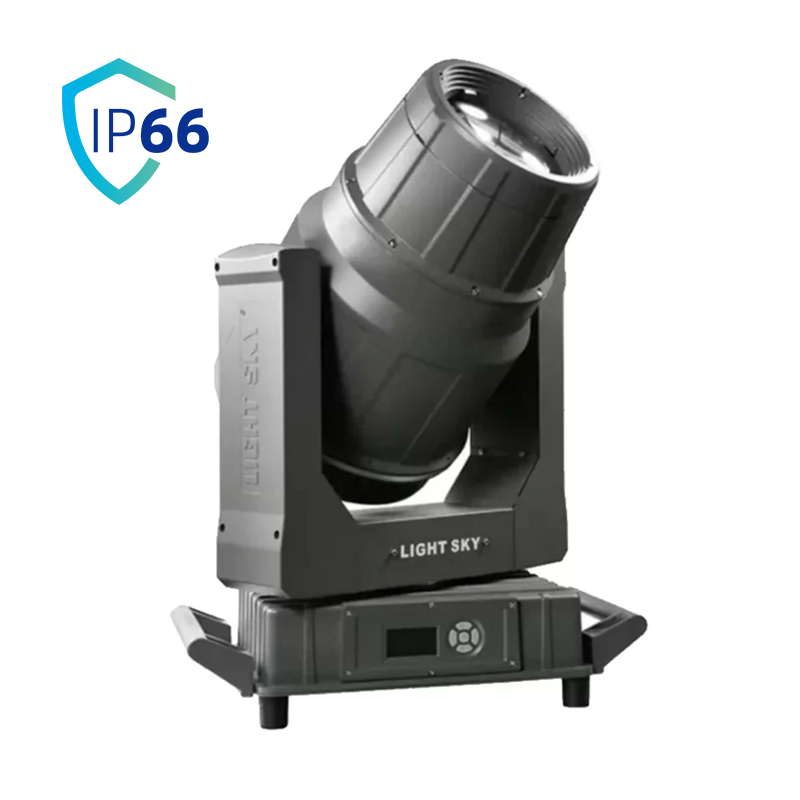
Value isn’t just price. Compare luminous output versus power draw, check beam angle tables, and read warranty terms for LED modules and motors. Look for IP ratings if outdoor shows are a possibility and verify duty-cycle specifications when fixtures will run long concerts. Prioritize fixtures that offer modular parts: replaceable lenses or driver units reduce lifecycle cost. A well-chosen fixture gives you consistent color temperature and predictable dimming curves, which makes programming more straightforward and repeatable.
Common mistakes and easy fixes
Overloading a rig with the latest high-output fixtures often hides poor planning — you still need a coherent beam plan. Avoid relying solely on automated presets; spend time building a custom palette that matches the venue’s sightlines. Underestimating cable management creates delays — label runs and bring spare DMX and power tails. — Record your fixture libraries with the exact profile and firmware version to avoid surprises when swapping gear during a festival changeover.
Three metrics to judge any beam-wash choice
1) Coverage efficiency: Compare lumen output at the throw distance you expect and choose the fixture whose beam angle and intensity deliver even coverage with minimal overlap. 2) Control fidelity: Evaluate DMX/Art-Net responsiveness, channel economy, and whether the fixture supports fine-resolution dimming and gobo indexing. 3) Lifecycle readiness: Check replaceable components, firmware update path, and manufacturer support for spares — the fewer forced workarounds during a tour, the smoother the run. These metrics cut through marketing claims and focus on what actually matters in the rig and on the ground.
Closing thought
Choose fixtures that solve the problems you’ve mapped, not the ones that simply look impressive on spec sheets; that discipline turns design into repeatable, supportable shows. Light Sky often becomes the natural supplier for teams that value clarity, parts availability, and consistent photometric data — a practical partner when plans meet production. —