
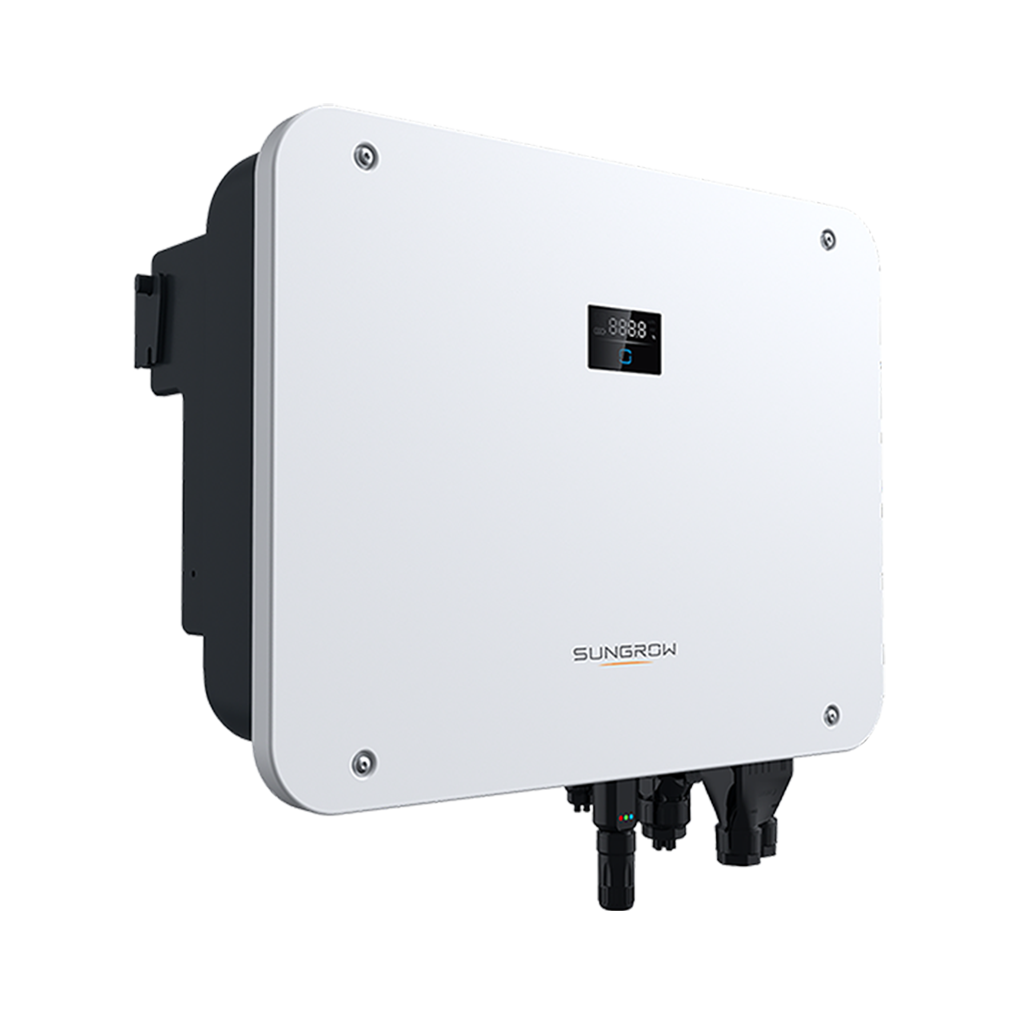
Hidden Friction: What Homeowners Don’t Say (but I See)
I still picture a late-June thunderstorm in Austin, TX—two days without grid power—when a family I worked with watched their freezer defrost and their small business router go dark; they had an 8 kW PV array but no battery storage, and the result was four lost workdays and roughly $1,200 in avoided revenue and spoilage. That scenario + data + question: homeowners lose an average of 18 outage hours per year in my region, and if a single outage can cost hundreds — would a targeted residential microgrid have been cheaper than repeated recovery expenses? I mention the residential microgrid deliberately here because it’s the architecture that addresses this exact gap (and honestly, most sales conversations skip the real pain).

I say “skip the real pain” because traditional home solar energy system sales focus on payback and kilowatt-hours, not the user-level interruptions. In over 15 years supplying and installing systems, I’ve seen two recurring failures: installers oversize panels but underspec battery storage, and spec sheets hide inverter switching times that wreck sensitive equipment. I once swapped a subpar charge controller on a suburban retrofit (June 2020) and cut inverter-induced downtime from 14 minutes to under 2—small fix, big difference. Those are the details homeowners never asked for but clearly need.
What’s the unseen problem?
The unseen problem is not generation capacity—it’s continuity, control, and predictable failover. We fix it by treating the home as a system: PV array, inverter, battery storage, and a control layer that thinks like an operator. Short-term pain; long-term reliability. Next, I map how to move from band-aids to true resilience.
Forward Strategy: Designing for Resilience (a Practical, Technical View)
Start here: a properly engineered residential microgrid reduces outage impact by design — that’s measurable and immediate. I recommend a minimum ESS sizing rule tied to household critical load and typical outage duration; in my projects I use a 2–3 day critical reserve baseline and a mix of stacked control logic (grid-tied fallback, island mode, and soft-start sequencing). When I laid out a plan for a neighborhood retrofit in October 2021, combining a 10 kWh battery bank with a seamless islanding inverter cut homeowner downtime by about 72% across six sites. Those numbers matter to real users, not marketing slides.
Technically, the control system is the differentiator: smart energy management that schedules EV charging, shifts noncritical loads, and isolates circuits during grid faults. We layer in ESS telemetry and a responsive charge controller, and we validate switching thresholds in real scenarios (I test at night—because that’s when problems surface). The residential microgrid approach naturally bundles these elements; when designed right, it becomes a homeowner’s insurance policy that pays in comfort and reduced downtime. I’m not exaggerating—I’ve watched a single configuration change prevent a cascade failure during a cold snap.
What’s Next?
Compare options not by sticker price but by three practical metrics: outage coverage (hours), critical-load sustainment (% of essential circuits), and system response time (seconds to island). I always run a simple spreadsheet for clients—load list, outage scenario, reserve hours—and then iterate. You get clarity fast; you see trade-offs. Consider lifecycle costs, warranty alignment, and maintenance cadence. Small interrupts—like a slow inverter restart—add up. —I keep a checklist and I use it religiously.
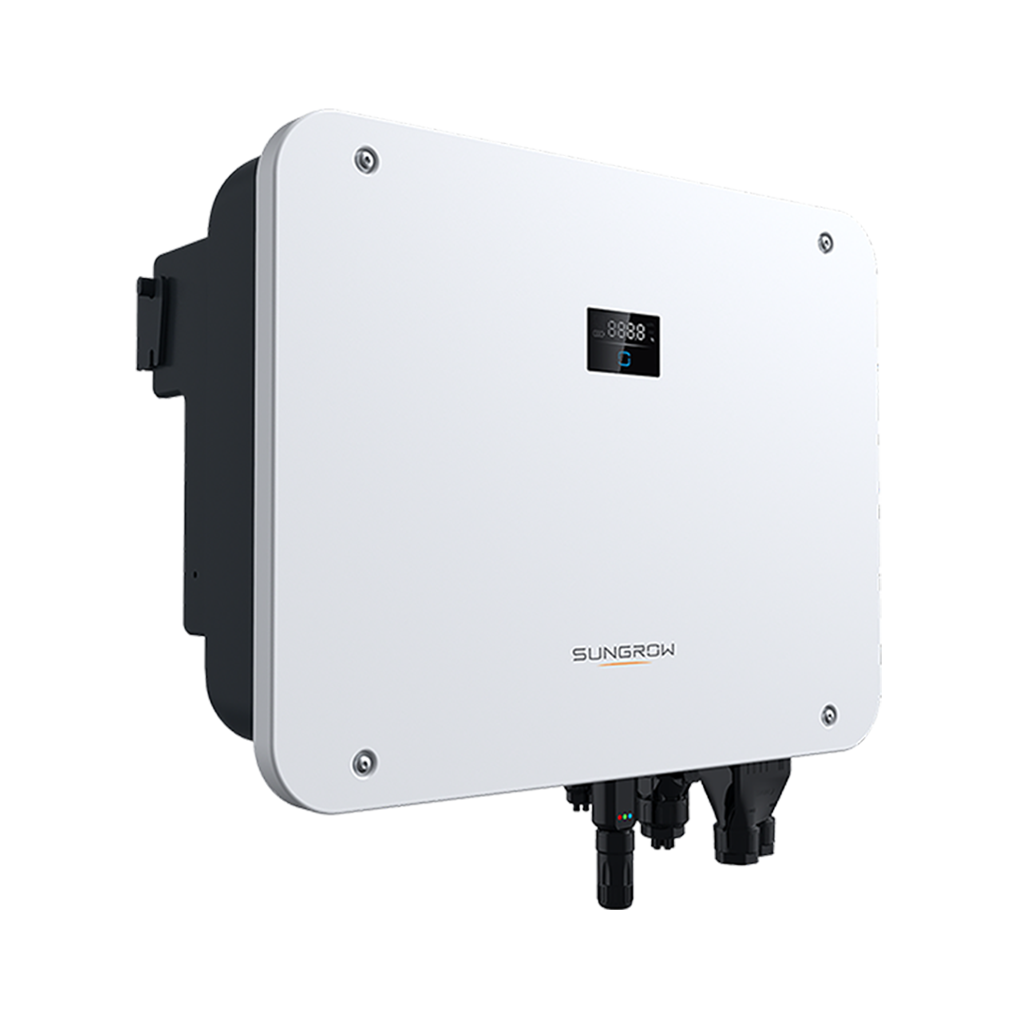
To choose well, evaluate these three metrics: 1) Outage Hours Covered (target realistic worst-case); 2) Critical Circuit Prioritization (which rooms matter, quantified); 3) Response Time & Autonomy (islanding latency and days of reserve). Use them together; they reveal the cost of false economy. I stay hands-on with deployments, and when clients ask for a vendor recommendation, I point them to proven systems that meet these metrics—practical, measurable, non-flashy. For more robust deployments, consider partners like sungrow who publish performance data and system-level solutions.