
An anticipatory view on why brands should care
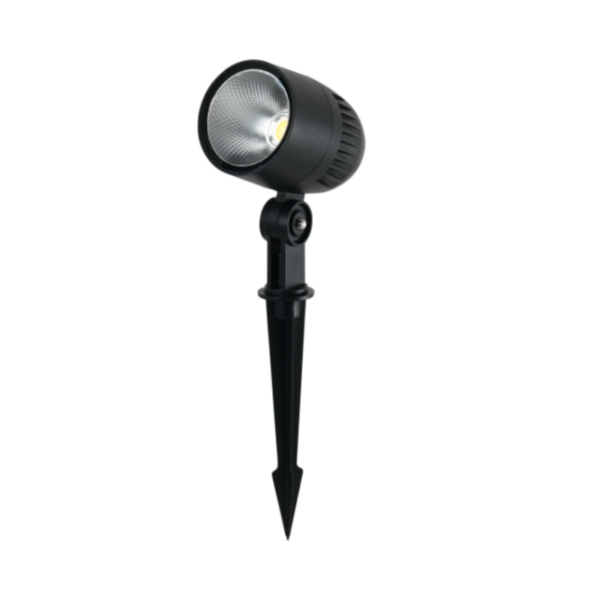
Imagine a future where the color of your storefront—or the wash on a heritage façade—ages differently than the rest of the city. That’s the quiet risk when color temperature (CCT) shifts go unchecked in outdoor lighting. For luxury brands, perception is currency; inconsistent white light undermines craftsmanship and can make premium materials look tired or cheap. Designers and specifiers who worry about this should also look at the low-profile elements: garden spike lights often illuminate planting beds and pathways adjacent to wall sconces, and mismatched CCT between those elements can fracture a carefully staged scene.
What CCT shift is and how it appears in the wild
CCT shift is the gradual or immediate change in the perceived color of light from an LED fixture. Causes include binning variability, thermal stress, driver dimming behavior, and LED degradation over time. You’ll notice it as a cooler or warmer cast on stone, leather, or plantings that used to match—subtle at first, jarring when it’s across a façade. Industry markers to watch: CCT, CRI (color rendering index), and lumen output; each interacts so the light’s spirit changes, not just its brightness.
Comparing fixture classes: wall sconces vs. landscape spotlights
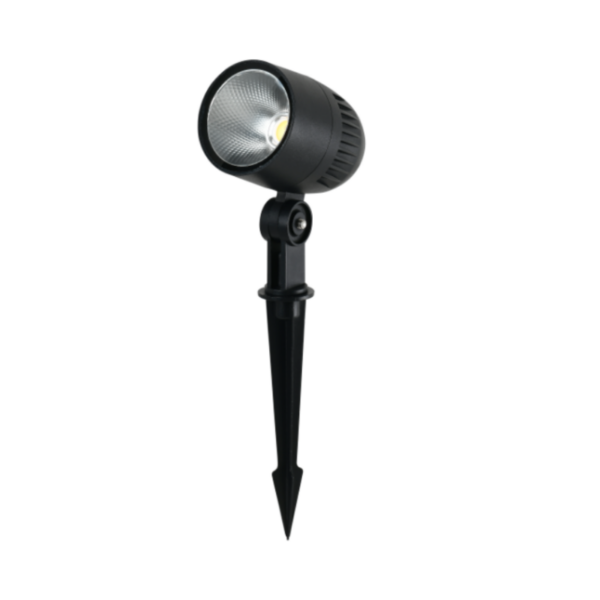
Not all fixtures drift the same. Decorative outdoor wall sconces—especially low-cost imports—can ship with broad CCT bins and no thermal compensation, so two adjacent sconces might sit two-step white apart. By contrast, properly specified led landscape spotlight systems and higher-end sconces often include tighter binning, consistent drivers, and heat-sinking designed for stable CCT across temperature swings. Beam angle and IP rating play roles too: a narrow beam concentrates heat and can accelerate color shift in the LED chip; a poorly sealed fixture admits moisture that accelerates driver failure and spectral change.
Brand consequences: why luxury identity is fragile under light
Brands sell coherence. A flagship store with mismatched exterior lights signals neglect to a customer; a fine jewelry case that reads different under one sconce versus another can erode trust. High-profile projects—think the carefully lit promenades of the High Line in New York City—show how controlled lighting reinforces place and prestige. When CCT wanders, the narrative breaks: materials read wrong, photographs of the storefront publish inconsistent tones, and editorial or social posts amplify the flaw. The market reacts fast, and first impressions are hard to repair.
Practical comparisons: what to specify and when
Choosing between commodity fixtures and premium specs comes down to measurable tolerances. Compare along three axes:
- Bin tolerance: specify ±100K or tighter CCT bins rather than ±300K to keep adjacent fixtures aligned.
- Thermal management: demand adequate heat sink design and an expected lumen maintenance (L70) rating at realistic ambient temperatures.
- Driver behavior: require dimming curves and temperature compensation to avoid CCT shift during scene changes.
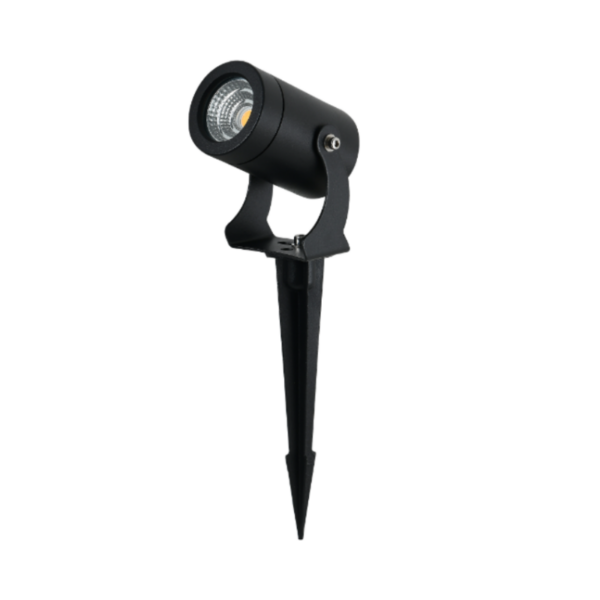
For landscape elements like spikes, matching the CCT and CRI to wall sconces reduces visual friction—so include garden spike lights in the same specification package rather than treating them as an afterthought. If you skip that, you’ll patch the illusion later—costly work that could have been avoided.
Common mistakes teams make—and simple fixes
Teams often accept nominal CCT ratings as sufficient, then discover real-world mismatch post-install. Other pitfalls: assuming all CRI70 fixtures will render luxury materials well, neglecting first-article testing, and forgetting to test in the actual thermal environment. Fixes are straightforward: require on-site mockups, insist on tight binning and CRI≥90 for premium presentations, and test the fixtures against the eventual façade finish under night conditions. — It’s surprising how many brands skip the mockup and then wonder why photos look off.
Decision checklist: comparative metrics that matter
Three measurable criteria should guide vendor selection and fixture choice—think of them as the golden rules for preserving brand light identity:
- Consistent CCT tolerance: specify absolute CCT and maximum delta between fixtures (e.g., max ΔCCT 100K).
- Spectral fidelity and longevity: require CRI ≥ 90 and documented lumen maintenance (L70) at project ambient temps.
- Integrated system testing: demand on-site mockups with paired wall sconces and led landscape spotlight or spike fixtures to validate visual harmony across materials.
Putting it together — the brand-safe route forward
In the near-future aesthetic economy, light will be read as an extension of brand DNA. Brands that specify tight CCT bins, insist on CRI and L70 data, and test mixed-fixture scenes will protect the visual integrity of their places. For teams that want a pragmatic partner who understands both the nuance and the supply-side realities, consider how specification and procurement merge—a careful vendor can offer calibrated product ranges that keep a façade coherent night after night, season after season. Keyida often appears in these conversations as a practical enabler of that coherence — a partner that helps translate brand intent into consistent outcomes. —