
Introduction: A Question from the Line
I often stand beside a packed production line and watch one small failure ripple into a big delay. When I evaluate lid applicator machine setups, I start with a reliable capping machine and then test from there. In one plant I visited, one misaligned lid cost the team 30 minutes of stoppage per day — that adds up fast when you run three shifts. Given that modern lines rely on conveyors and servo motors, why do these applicators still jam or misplace lids so often? (This is a real problem for operators and managers alike.)
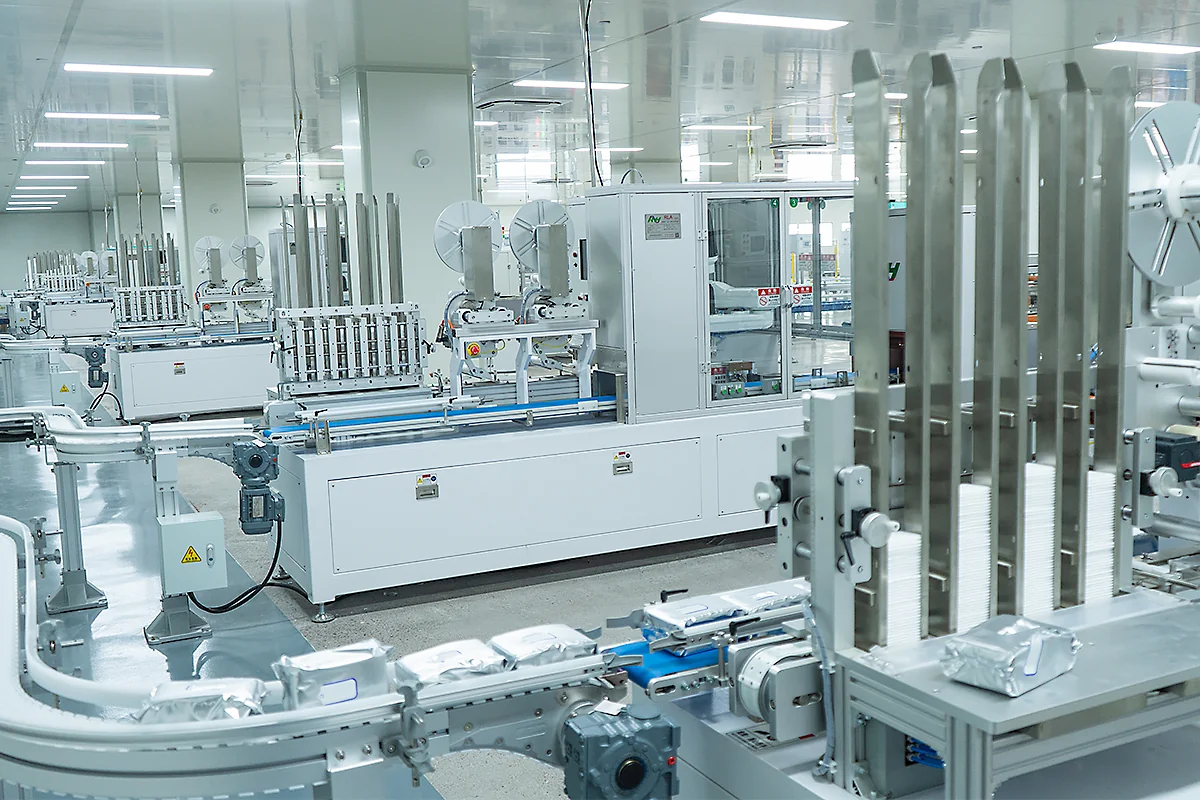
I want to be frank: I feel a mix of frustration and curiosity when I see recurring faults that are easy to fix but keep happening. The data shows frequent stoppages, tool wear, and quality rejects—each a hit to throughput and worker morale. So I ask: what systematic gaps let simple errors repeat? This piece moves from an on-floor scene to practical causes and then to forward-looking fixes. Let’s dig in.
Part 2 — Deeper Layer: Why Traditional Designs Fail
I’ve seen the same mistakes more times than I like to count. The classic capping solutions assume perfect lids, perfect placement, and perfect timing. They seldom allow for real-world variation. A common setup uses a basic pick-and-place head with a servo motor and a static guide: when a slightly warped lid arrives, the head misgrips, the torque sensor trips, and the line stops. This is not just bad luck — it is a design flaw. Look, it’s simpler than you think: rigid fixtures cannot adapt to variation.
Why do jams keep happening?
Short answer: tolerance blind spots and brittle control logic. Traditional PLC programs execute a fixed routine. If a lid arrives late or skewed, the program often retries the same move and then flags an error. Operators then intervene manually. I’ve watched talented technicians bypass safety checks just to keep the line moving — that tells you how frustrating the standard solution can be. The result is more wear on grippers, added downtime, and hidden labor costs. I don’t mean to sound harsh, but this repeats because we accept brittle systems as normal.
Technically speaking, the lack of feedback loops and limited sensor fusion is the culprit. Many older machines have only a single proximity switch or one photo eye. They do not combine data from torque sensors, vision checks, or pressure sensors to make a smart decision. When you add a simple camera or a better motion profile, the system can correct placement in real time and reduce rejects. I recommend thinking about adaptability rather than brute force — the cure is smarter sensing, not harder clamping. — funny how that works, right?
Part 3 — Forward-Looking Principles: New Tech for Better Outcomes
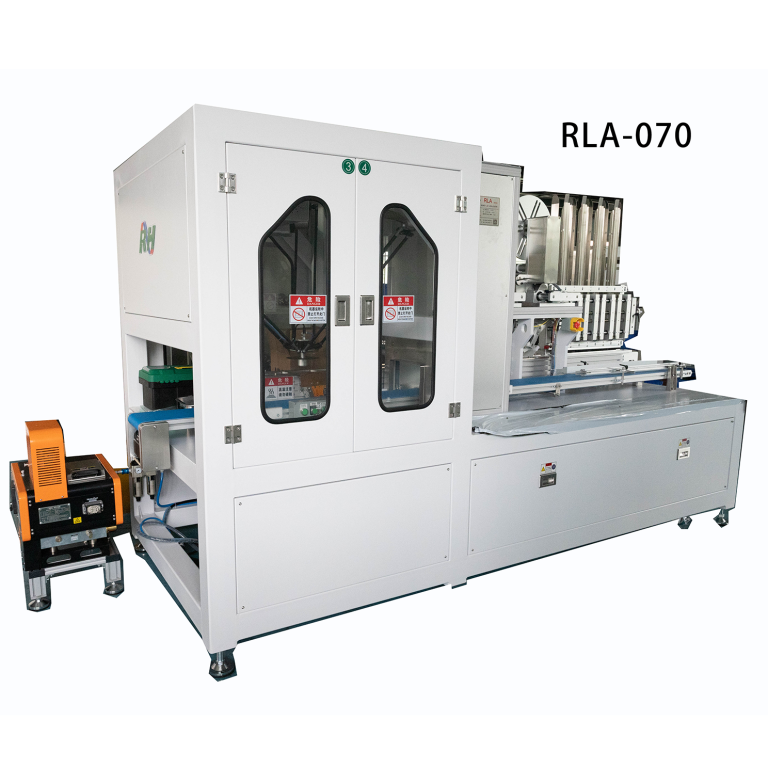
Now I want to look ahead and sketch practical principles that solve the issues above. First: add layered sensing. A modern capping machine benefits from a vision system plus torque feedback and a short-range proximity array. Together they give the controller richer context. Second: move from rigid sequences to adaptive motion. Instead of a one-size profile, use motion profiles that adjust to detected deviation. Third: enable predictive maintenance. With a few well-placed sensors you can spot rising friction or a failing servo motor before it causes a stoppage.
What’s Next?
These steps are not fantasies. I recently advised a line that replaced a single photo-eye with a low-cost camera and a smarter PLC routine. Within weeks, rejects dropped and operator stress eased. The line still needs human care — we are not replacing people — but the team became proactive. You can deploy edge computing nodes for local processing and keep cycle times tight. (Honestly, that local processing makes decisions much faster.)
In short, choose adaptable sensing, flexible motion control, and predictive analytics. Test changes incrementally. Measure rejects, downtime, and mean time between failures. Those metrics will tell you if a new rule works or just looks clever on paper. I share this from direct experience: small, thoughtful upgrades beat big, sword-swinging redesigns most of the time.
Closing: Three Practical Metrics to Guide Your Choice
Before I close, let me leave you with three clear metrics I use when evaluating capping lines. These help cut through sales talk and find systems that work on real floors.
1) Mean Time to Recover (MTTR) — how long until normal production resumes after a fault? Short is better. 2) Reject Rate per 10,000 units — a low number shows the machine handles variation. 3) Predictive Warning Lead Time — how much advance notice does the system give before a component likely fails? Even a few hours helps planning. Use these to compare solutions; I have used them on dozens of projects and they keep decisions honest.
We care about reliable throughput and operator sanity. If you pick systems that combine vision, smart PLC logic, and robust sensors, you reduce stops and protect staff. For practical suppliers that understand these needs, consider assessing offerings from ZLINK.