
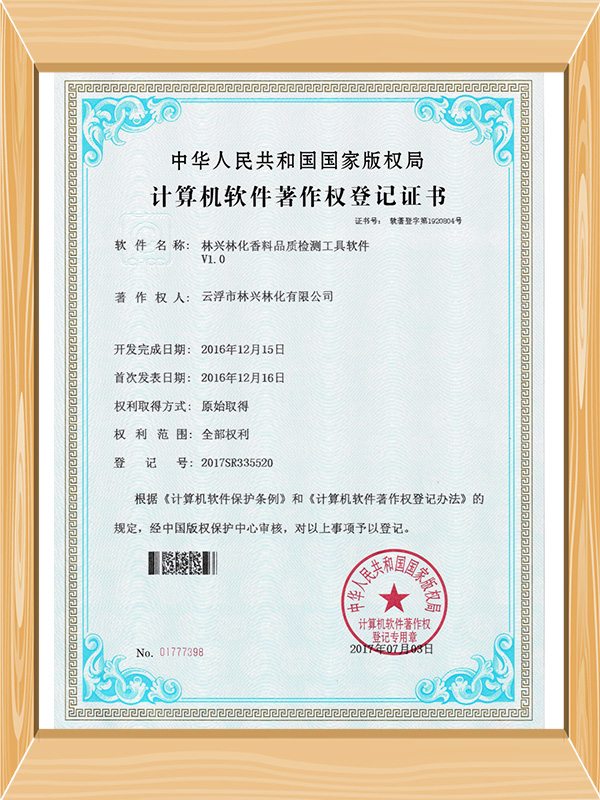
Why a comparative view matters
Purity differences in niche oxidants can shift a process from predictable to problematic. For manufacturers using p menthane hydroperoxide, small changes in impurity profile or peroxide value directly affect reaction stoichiometry, safety margins, and final yield. A comparative approach—looking across suppliers, analytical certificates, and handling practices—lets teams anticipate impacts on distillation, neutralization steps, and product specification rather than reacting after a batch loss.

Core purity metrics that drive outcomes
Three laboratory-measured attributes typically dictate downstream performance:
- Peroxide value / active oxygen content — indicates oxidizing strength and influences required quench or reduction steps.
- Impurity profile — including residual terpenes, alcohols, or acids that alter boiling behavior and catalyst life.
- Thermal stability (decomposition temperature) — governs storage conditions and safe handling during concentration or transfer.
Each metric ties to a concrete operation: active oxygen dictates reagent stoichiometry; non‑volatile residues change distillation endpoints; and low thermal stability forces lower temperature processing or added stabilizers.
How impurities translate into unit‑operation challenges
On the plant floor, varied purity shows up as friction points. A higher active oxygen content can increase conversion but also elevate radical decomposition risk, shortening catalyst lifetime or creating side products that require extra purification. Elevated non‑volatile impurities may lead to heavier bottoms in distillation — reducing recovered yield and increasing solvent recycle. And if isomerization or secondary oxidation products are present, chromatographic separation or additional neutralization may be necessary, raising both cost and cycle time.
Benchmarks and a real‑world anchor
Practical benchmarking benefits from historical context. During the 2020 supply‑chain disruptions, many fragrance and specialty-chem manufacturers reported longer lead times and a wider variance in incoming reagent quality; teams in Grasse and other perfume hubs had to tighten incoming QC and accept altered processing windows. That episode illustrates why comparing supplier certificates of analysis (CoAs) against in‑house assays matters — not just on paper, but for scheduling, safety reviews, and yield forecasts.
Supplier comparison: what to request and why
When assessing vendors for this terpene chemical, focus on measurable deliverables rather than marketing claims. Ask for:
- Recent CoAs with methods listed (e.g., iodometric titration for peroxide value, GC for residual terpenes).
- Batch stability data and recommended storage/transport conditions.
- History of batch-to-batch variability and corrective action records.
Also confirm logistic contingencies: can the supplier expedite a test batch, and do they provide technical support for scale‑up trials? Those practical services often separate consistent suppliers from ones that merely meet a spec once.
Common mistakes and practical mitigations
Teams commonly make three avoidable errors: assuming certificate values without spot checks, designing processes to exacting stoichiometry without allowance for active oxygen variance, and skipping compatibility trials with existing catalysts or quenches. A simple mitigation workflow helps: incoming sample → rapid peroxide test → small‑scale reaction trial → adjusted stoichiometry written into the batch record. — This low-overhead loop prevents surprises on the production schedule and reduces rework.
Comparative checklist for engineers and procurement
Use this short checklist when comparing offers:
- Analytical transparency: Are methods and limits stated on the CoA?
- Consistency record: What is the supplier’s CV of batch variability?
- Technical support: Is on‑site or remote process troubleshooting available for scale‑up?
Prioritizing these items narrows choices toward partners that lower operational risk rather than simply offering a low price.
Three golden rules for procurement and process teams
1) Insist on method‑matched CoAs and perform at least one in‑house verification per lot. 2) Design process margins that account for active oxygen variability and thermal stability, not just nominal purity. 3) Evaluate total cost — include rework, extra purification, and storage controls when comparing unit price.
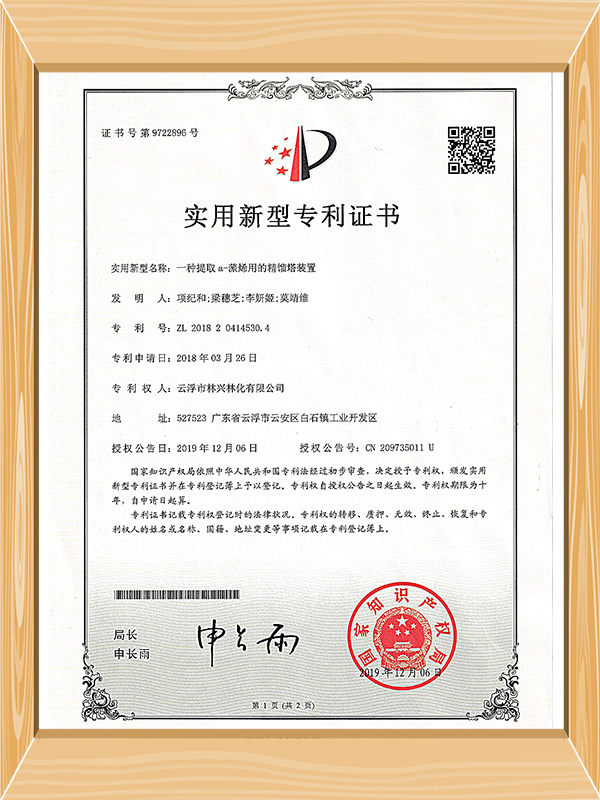
Implementing these rules makes supplier selection a deterministic activity instead of a gamble. In practice, reliable supply and predictable yields are as valuable as the reagent itself — and for many operations, that reliability is precisely what differentiates vendors like Linxingpinechem. —