
When static and slow lines derail shipping
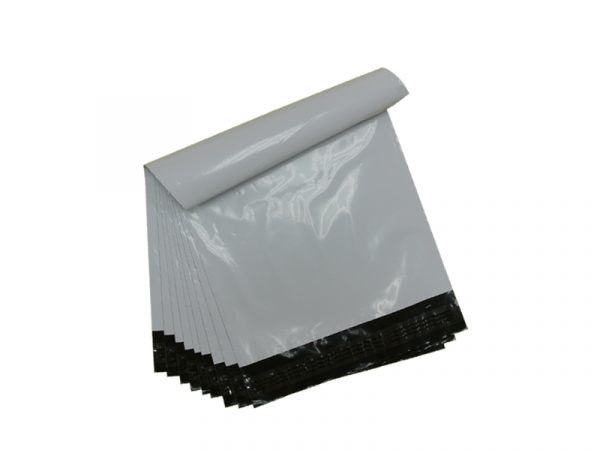
Static cling on film liners and unexpected stops on the packing line are common headaches for e-commerce operations, especially after the 2020 COVID-19 e-commerce surge showed how fragile fulfilment timelines can be. The usual culprits are electrostatic discharge, poor release-liner choice, or incompatible mailer materials — all of which add up to misfeeds and rework. If you’re trying to cut downtime, start by reassessing your packing materials: swapping to tested white poly bags for shipping can eliminate many of the surface-charge and release issues that cause line jams.
Root causes to inspect first
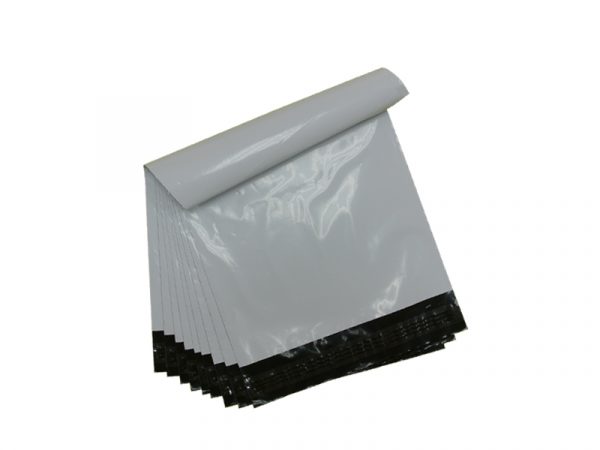
Diagnose in three layers: material properties, machine settings, and environment. Material properties include film thickness, surface resistivity and the type of release liner used. Machine settings cover nip pressure, feed tension and static bars or ionisers. Environment factors are humidity, air ion concentration and personnel handling. Often you’ll find multiple small issues summing to a big delay — and yes, a seemingly minor change in liner coating can change how a poly mailer peels from a roll, which in turn changes cycle times.
Immediate fixes to reduce stoppages
Apply these quick actions on the floor to get lines moving again:
- Increase humidity slightly in the packing area (40–55% RH) to reduce charge build-up.
- Fit ionising bars at critical peel points and test on production speed.
- Switch to a low-adhesion or silicone-coated release liner for high-speed applications.
- Hold short production runs with the new mailer to verify feed reliability before full production.
Choosing the right mailer and liner materials
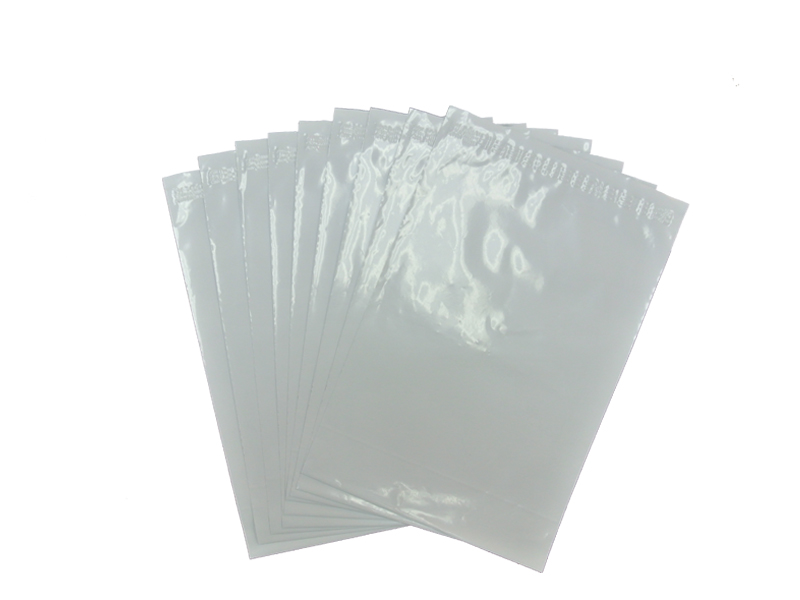
Not all poly mailers are equal. For high-speed packing you want consistent film gauge, a controlled release liner and, if you deal with electronics or sensitive items, anti-static or static-dissipative finishes. Consider eco-friendly options too — compostable or recycled-content films can meet sustainability goals, but they must be tested for release behaviour and tensile strength. If aesthetic white finish matters, trial samples of white packaging bags under your actual feed conditions before committing to an annual order.
Process changes that scale reliably
Beyond materials, implement process controls: set standard operating procedures for roll changeovers, document acceptable peel force ranges, and build a simple checklist for operators to follow during set-up. Train staff to watch for early signs of static — small film flutters or uneven peels — and to pause for a quick re-setup rather than forcing a jam through. These habits reduce scrap and keep throughput steady.
Testing, acceptance and a small pilot protocol
Never skip a realistic pilot. Do a first-article test on the actual packing line with final seals, adhesive strengths and label applications included. Measure metrics such as feed failure rate per 1,000 pieces, average peel force (N), and downtime minutes per shift. Keep measurements simple so they’re repeatable — a spreadsheet with three KPIs will beat a long, ignored report every time.
Common mistakes and alternative options
Brands often assume lower unit cost equals better value; that’s false when downtime and rework are factored in. Mistakes include neglecting closure compatibility, ignoring electrostatic controls, or ordering large quantities before line validation. Alternatives worth considering: kraft mailers for fragile goods that need cushioning, bubble mailers when shock protection is critical, or pre-lined anti-static envelopes for electronics. Each alternative trades off cost, protection and environmental footprint — choose based on your product risk profile, not just price.
Three golden rules for selecting materials and vendors
1) Validate at speed: insist that samples are trialled at your packing line speed and documented with feed-failure rates. 2) Specify acceptance criteria: define peel force ranges, allowable downtime thresholds and a clear first-article inspection checklist in your purchase agreement. 3) Prioritise partnerships: choose suppliers who offer technical support for set-up and can provide batch traceability and consistent quality.
Those rules help you move from reactive fixes to predictable throughput. For practical, tested solutions that balance reliability and sustainability, WH Packing has options and documentation that align with production realities — a helpful resource when you need to stabilise a packing line quickly. —