
Introduction
I’ll start bold: stop letting the meter decide your margins. I work with commercial energy storage systems every week, and I see the same crash at 3 p.m. when HVAC, chillers, and chargers light up together. One client in Dallas watched demand charges jump 42% in a single summer. That stings—and it is avoidable. Picture the floor manager watching the graph spike, the CFO checking the bill, and the ops team stuck with diesel as their only “plan.” Now add data: a single 15-minute peak can set your tariff for the whole month. Do you really want luck to decide your cashflow (or your overtime schedule)? I don’t.
Let’s set the pace and cut the noise—then move to fixes that hold under pressure.
Hidden Friction in Today’s Playbook
Where do the old fixes stumble?
I’ll be technical here because the pain hides in the wiring and rules. Many teams jump to gensets, soft starts, or a stray battery rack. Then they discover interconnection delays, harmonics from old power converters, and an Energy Management System (EMS) that does not talk well to the Building Management System. In my 18+ years as a retailer-turned-consultant for large sites, I’ve watched “quick installs” stretch to nine months. For a fair comparison, I stack these against commercial energy storage solutions that run a proper peak-shaving schedule and ride-through. Let me be blunt: the weak link is control. A battery without a tuned dispatch curve becomes a paperweight during tariff windows. A grid-friendly 500 kW bidirectional PCS, a disciplined Battery Management System (BMS), and an EMS that respects transformer limits will save you; mismatched pieces will drain you—fast.
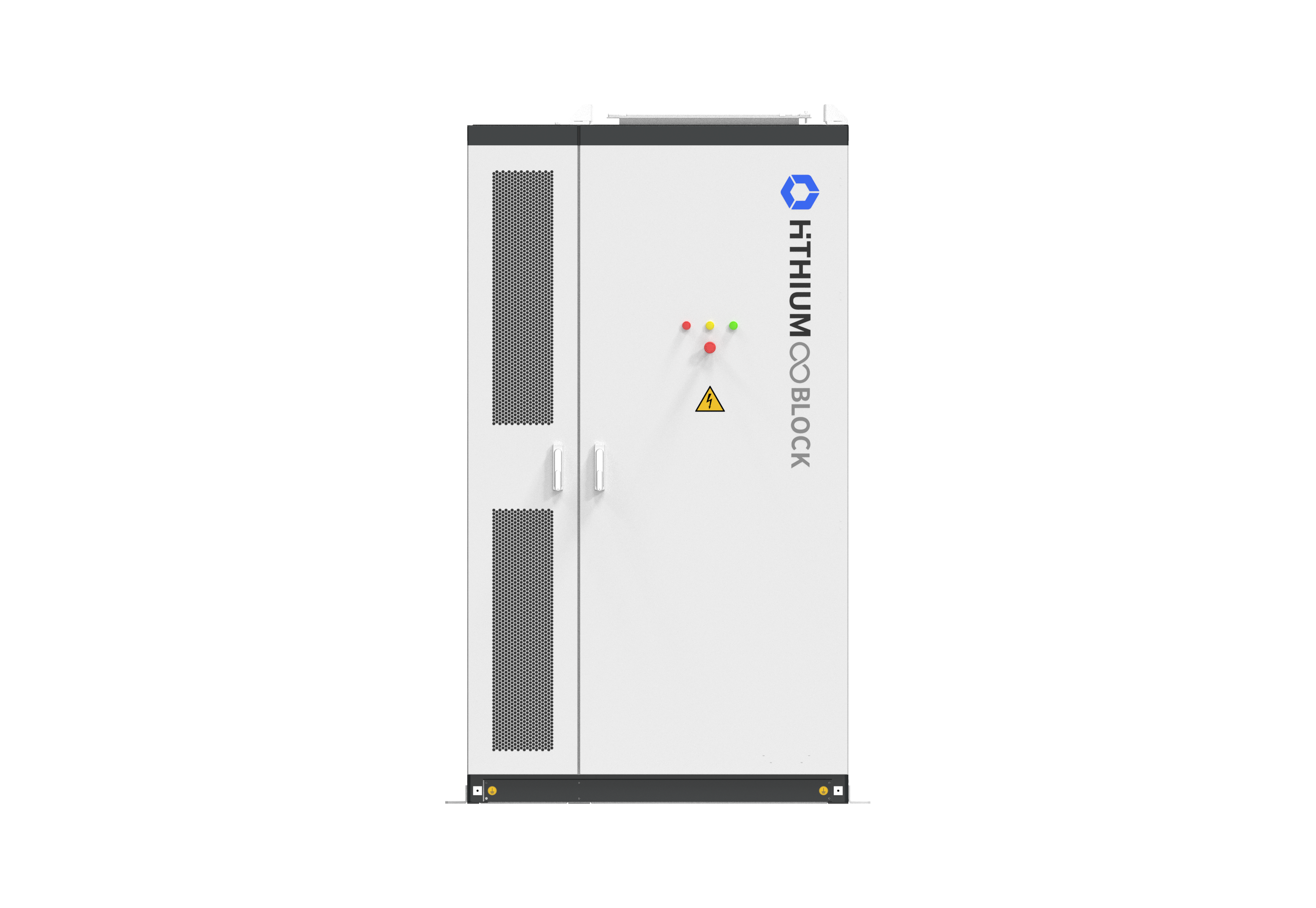
Here’s a hard example I still think about. July 2023, Newark, NJ. A warehouse running three 60-ton rooftop units and ten Level-3 EV chargers. We put in a 2 MWh LFP cabinet system (1500 V string, NEMA 3R, UL9540A tested) and set the microgrid controller to cap feeder current at 1.1 MW. Before that, their peak hit 1.8 MW on hot Mondays. Ninety days later, demand charges fell by 38%, which was $74,300 off the bill. We didn’t chase magic. We tuned ramp rates, set SOC floors, and aligned dispatch to the utility’s 15-minute window—no drama, just a system that acts when it counts. I prefer these predictable wins over Hail Marys—because crews deserve calm, not chaos.

What’s Next: Principles and Proof
We can look ahead and compare what works to what fails—side by side. The new play rests on clear principles: real-time sensing, fast control loops, and modular growth. Think edge computing nodes at the switchgear that decide in milliseconds, not minutes. Think a PCS that shapes power with low THD so your lights don’t flicker. When I roll out commercial energy storage solutions today, I map each tariff window, model charger clusters, and set the battery’s C-rate so it never sprints when a jog will do. On a distribution center in Stockton, CA, we added only 1 MWh upfront and scheduled expansion in year two. Why? Freight volume swings. Capital should flex with it—no magic, just math. And yes, I learned it the hard way—after watching a site overbuy and then idle 30% of capacity for a year.
Let me close with the way I size and judge systems after hundreds of walk-throughs and more than a few midnight alarms. We already saw how the old fixes hide risk and how a tuned stack removes it. So choose with a yardstick: 1) Peak impact you can verify in the meter data within 60 days; 2) Interoperability across EMS, BMS, and your power converters without custom code every quarter; 3) Serviceability measured in hours-to-recover, not weeks-to-wait. If a vendor dodges those numbers, I pass. If they meet them and show logs, I’m in. That standard has kept my clients upright through hot summers and tariff shifts. When peak loads meet modular storage, the winners are the teams who demand proof and plan for growth—clean, simple, and repeatable. For more on stable, scalable stacks without theatrics, I keep an eye on HiTHIUM.