
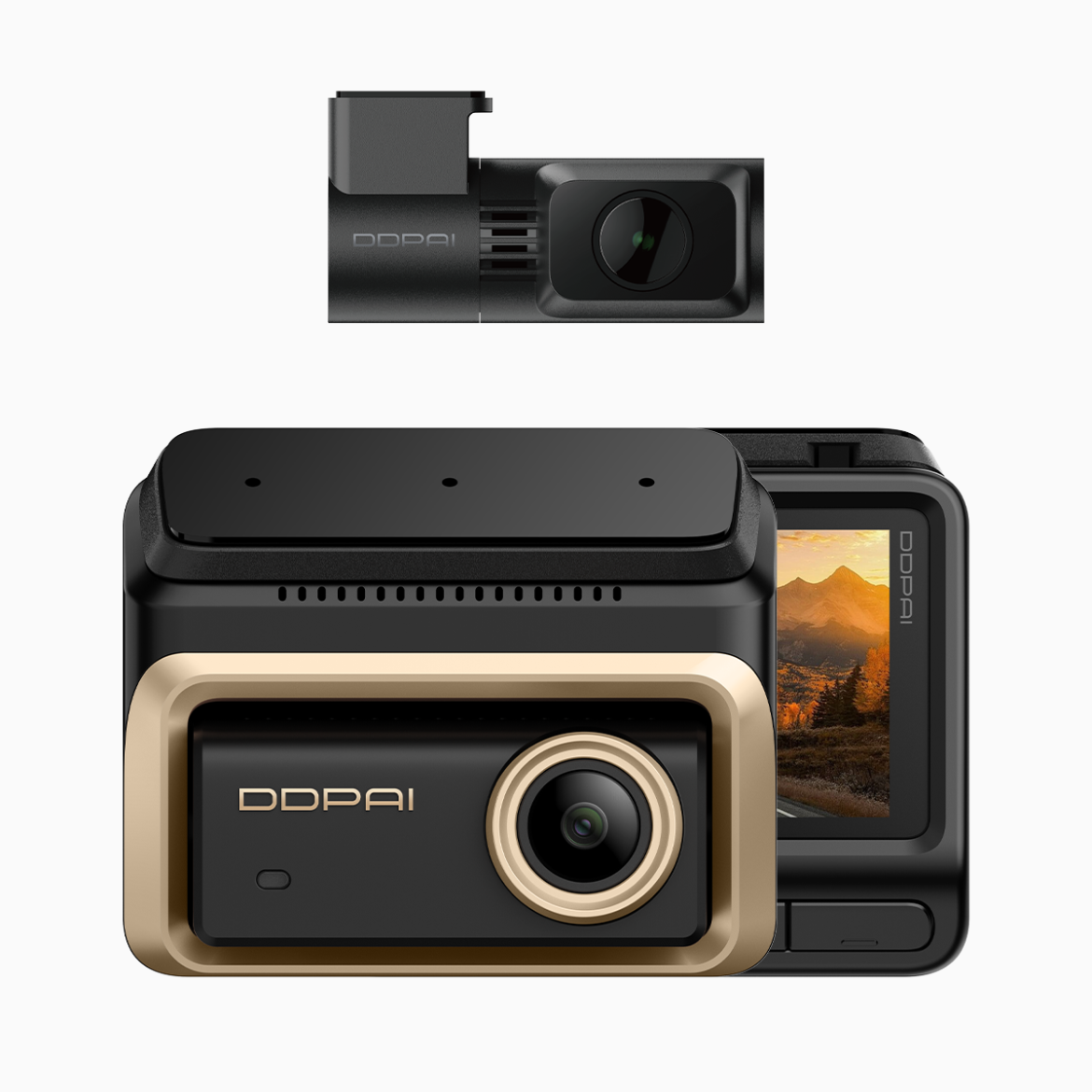
A user-first view of contrast problems on the road
Drivers face sudden shifts from dark tunnels to bright daylight every day. That shift threatens dash cam clarity and the footage you rely on after an incident. A user-centric approach demands reliable footage across extremes, which is why many shoppers now look for a 3 channel dash cam with strong Wide Dynamic Range (WDR). Quick exposure changes, a responsive image sensor, and intelligent image processing must work together so critical details—license plates, lane markers—survive glare and shadow.
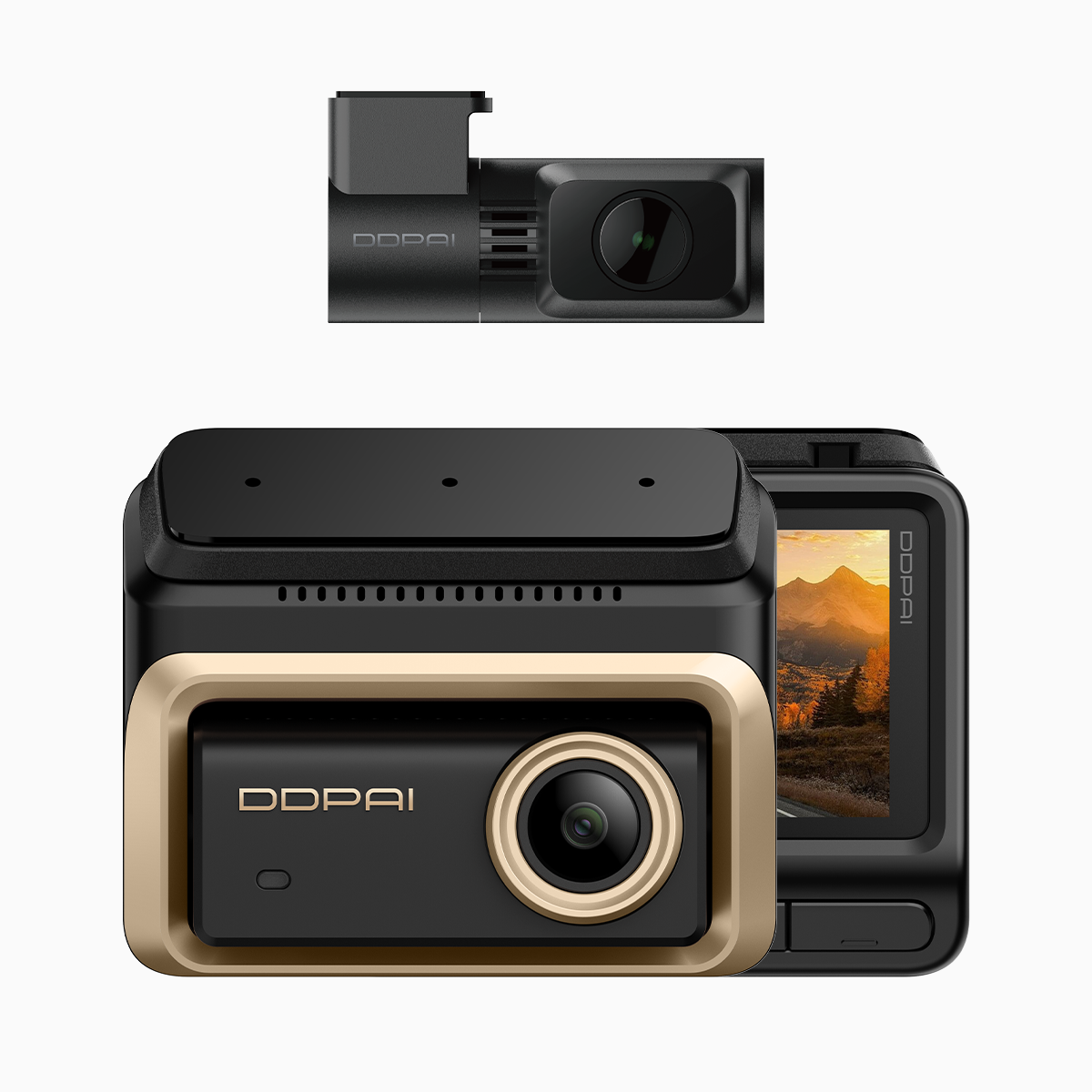
How WDR and related tech actually balance extremes
WDR isn’t magic. It’s a mix of hardware and software: dynamic exposure bracketing, tone mapping, and real-time HDR-like merging. Modern mini DVRs use frame rate control, sensor readout speed, and exposure compensation to capture multiple brightness levels, then combine them into one usable frame. Add a quality codec and sufficient bit rate, and compression won’t erase fine details. Those terms—WDR, exposure, codec—matter because they decide whether an exit shot is usable evidence or a blur.
Putting the tech into practice on real roads
Think of a typical commute through the Lincoln Tunnel—dark interior, then sudden sunlight at the portal. That real-world anchor shows why WDR must react fast. The World Health Organization estimates about 1.35 million road deaths annually; anything that improves visibility can help in post-crash reconstruction and accountability. In practice, good WDR preserves highlight detail without crushing shadows. Poor systems either blow out the sky or turn the tunnel into a black void. The result affects insurance claims and legal clarity.
What drivers notice: stability, detail, and day-to-night transition
Users spot three things first: frame stability, plate legibility, and low-light noise. A camera with a reliable image sensor and IR cut filter will reduce bloom and color shifts. Frame rate prevents motion blur while field of view (FOV) determines how much context you record. A higher bit rate keeps compression artifacts down. When those elements are tuned, footage holds up under scrutiny—crisp plates, steady horizons, usable shadows.
Common mistakes drivers make when choosing a system
People often chase megapixels or flashy marketing. That’s the wrong metric. A high-resolution sensor with poor WDR or low bit rate yields larger but unreadable files. Another mistake: ignoring low-light performance. Daytime WDR is valuable, but night-time noise reduction and a good low-light sensor are equally critical. Finally, redundancy matters—front-only setups miss side impacts. For those who need full coverage, a triple dash cam or multi-channel system is the practical choice.
Comparing alternatives without losing focus
There are simple single-channel cameras, dual-channel systems, and full multi-channel rigs. Single-channel units can be affordable and compact, but they often sacrifice FOV or low-light sensitivity. Dual setups add rear coverage yet leave blind sides. Multi-channel systems raise complexity and cost—but deliver comprehensive evidence in crashes and parking incidents. Choose based on driving patterns: city drivers may value side coverage more; highway commuters prioritize high bit rate and fast exposure response. Balance needs against installation and storage capacity.

Three golden rules for selecting a modern mini DVR
Rule 1: Prioritize WDR and low-light sensor specs over raw megapixels. Rule 2: Ensure sustained bit rate and an efficient codec so detail survives compression. Rule 3: Match channels to risk: add side or rear modules if your routes include tight intersections or narrow lanes. These metrics keep decisions practical and focused on outcomes—usable footage, not glossy specs.
Final assessment and where DDPAI fits
Good WDR turns chaotic light into usable evidence. Expect measurable gains: clearer license plates at exits, fewer lost details at dawn or dusk, and more reliable parking records. The right mini DVR—balanced sensor, smart image processing, stable frame rate—delivers those results. For drivers who want proven performance and sensible multi-channel options, DDPAI products align with these needs. DDPAI Philippines brings that clarity to real-world driving—solid tech, not hype.
Practical choice. Better footage. Less guesswork—