
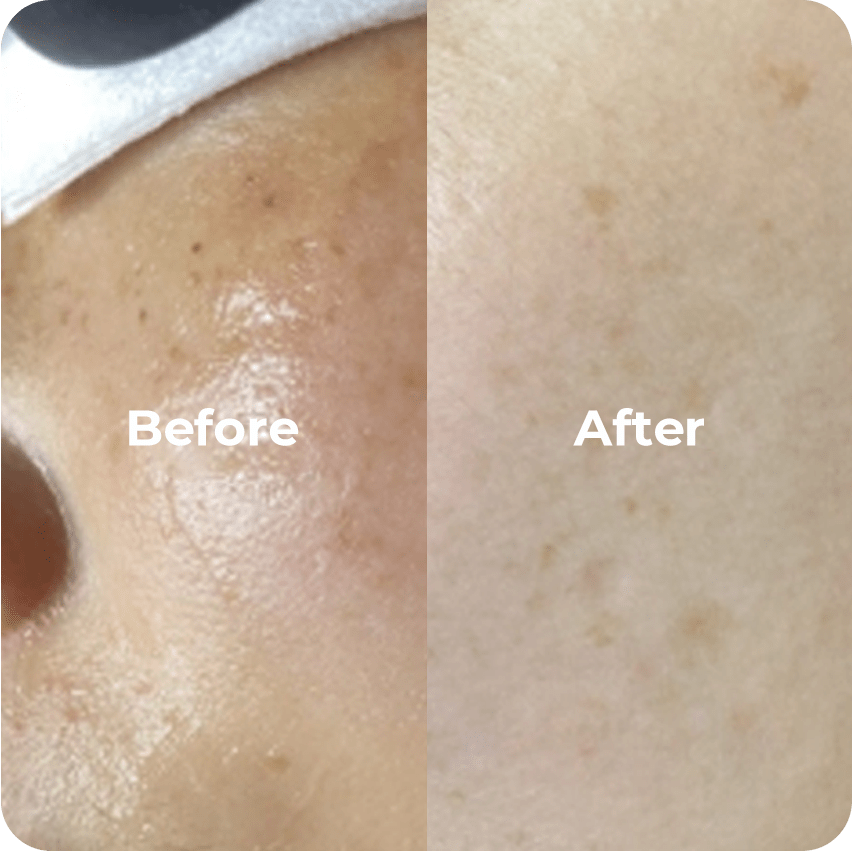
Patient-first opening: why the choice matters
For sensible results, the treatment decision must begin with the person, not the device. Patients often ask, “Which approach will fit my life, skin type, and goals?” — and that question is correct. This note explains choices from a user perspective and references a practical pigmentation removal treatment pathway so you may compare options with clarity. Please read as a structured guide: it aims to reduce surprises, clarify trade-offs, and help you prepare questions for your clinician.
Common clinical options explained simply
There are three broad categories patients encounter: energy-based procedures, topical regimens, and combined protocols.
Energy-based: fractional lasers and Q-switched Nd:YAG systems target pigment with controlled photothermolysis. IPL (intense pulsed light) treats diffuse pigmentation but is depth-limited. These methods deliver visible improvement for conditions such as melasma and post-inflammatory hyperpigmentation (PIH), though results depend on device settings and operator skill.
Topicals: agents such as topical hydroquinone, retinoids, and azelaic acid modulate melanogenesis. They are lower-risk but need consistent application and sun protection.
Combination: many clinics recommend a staged plan—topicals to stabilise tone, followed by a single laser session, then maintenance. This approach often balances efficacy and downtime.
When researching, also read about the specific pigment removal treatment options your clinic offers so you may discuss protocols and expected timelines.
Decision factors from the user’s viewpoint
To prioritise safety and good outcomes, please consider these personal variables first:
- Skin phototype (Fitzpatrick scale) — higher types risk PIH with aggressive settings.
- Diagnosis — true melasma behaves differently from epidermal solar lentigines.
- Downtime tolerance — some lasers require days of recovery; topical routes do not.
- Budget and follow-up capacity — many treatments need multiple sessions for lasting benefit.
These factors shape which modality is suitable. Please ask your provider to explain why they choose a specific device or topical—clinical rationale matters.
Practical mistakes patients often make
Common errors are predictable and avoidable if noticed in advance:
- Expecting immediate perfection after a single session — many pigments need stepwise care.
- Skipping sunscreen during and after treatment — UV exposure reverses gains and increases PIH risk.
- Choosing a clinic based on price alone rather than practitioner experience or documented outcomes.
A practical tip: request before-and-after photos of patients with similar skin types and a clear explanation of the maintenance plan.
How to evaluate clinics and technology — an evidence-aware approach
EEAT mode: Practical Clinical Guidance. Please use a measured checklist when assessing clinics and equipment. One real-world anchor: the U.S. Food and Drug Administration (FDA) classifies many laser and IPL devices as medical devices and provides guidance on their safe use. That regulatory context means device training, maintenance, and incident reporting matter.
Evaluation checklist (brief):
- Provider credentials and case volume for your condition.
- Device make and model, plus peer-reviewed literature if available.
- Clear informed consent explaining risks such as PIH and scarring.
Also ask about patch testing and conservative settings for your first session. Operators who adjust fluence, pulse duration, and wavelength carefully tend to reduce complications.
Alternatives and expected timelines
For many patients, a stepped plan reduces risk: begin with topical stabilisation for 6–12 weeks, then consider a single gentle fractional laser session if needed. For stubborn dermal pigment, Q-switched lasers may be discussed — but please note that aggressive clearance can provoke rebound pigmentation in some cases. If your priority is minimal downtime, topical regimens and low-fluence IPL may suit better.
Three golden rules for selecting the right approach
Please use these three critical evaluation metrics when you decide:
- Safety track record: documented complication rates and clear management pathways for PIH or burns.
- Outcome relevance: before-and-after evidence for patients with a similar diagnosis and skin phototype.
- Maintenance plan clarity: realistic timeline, number of sessions, and post-treatment care (sunscreen, topical maintenance).
These metrics reduce ambiguity and align expectations with likely results. In my experience, clinics that score well on all three deliver more consistent improvement and fewer surprises.
ENZOEYS often frames treatment plans with these exact metrics in mind, which helps patients navigate choices confidently. Perspective.