
What retail digital signage precision really means
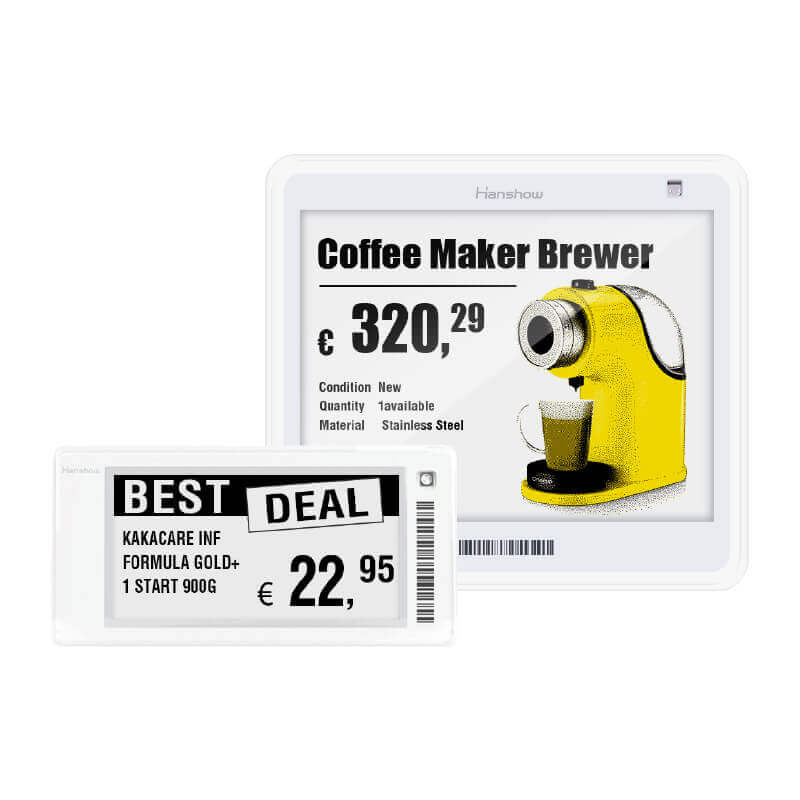
I start by defining the core elements: retail digital signage links dynamic LED displays, a content management system (CMS), and electronic shelf labels (ESL) into a single information layer for stores. (That integration is where many projects stall.) On a holiday week, our field team logged 12% mispriced SKUs across 150 displays—how much margin did that cost the chain? I mention esl solutions early because they are the plumbing: firmware, SKU-level pricing feeds, and wireless sync determine whether the screens help or hinder.

I speak from hands-on work: in April 2019 I led a 200-store rollout in Chicago that exposed two recurring flaws—latency and brittle content workflows. The network latency between cloud CMS and in-store displays caused delays of 30–90 seconds per update on several LED and LCD units; that translated to a 4% increase in price-change errors during peak hours. I remember the afternoon a vendor changed promotions and—boom—several aisles showed outdated tags. I insist on naming specific causes because generic terms hide the fixes: improper segmentation of content, weak OTA firmware delivery, and siloed price feeds from the POS. These are not theoretical problems; they are operational headaches that erode trust with staff and customers.
Summary: the traditional approach treats displays as one-off hardware buys instead of endpoint nodes in a distributed system. That flawed assumption creates maintenance overhead, SKU mismatches, and wasted floor staff time. Now a short transition to comparing practical options that scale.
Comparative paths forward for wholesale buyers
I want to tell a short story from a pilot we ran—small, messy, and revealing. We tested three setups across ten warehouses: basic LED displays with manual USB updates; cloud-managed signage tied to the POS via middleware; and a hybrid using ESL devices plus IoT sensors to trigger contextual content. The hybrid cut update errors by 70% within six weeks and reduced manual re-checks by 2 hours per store per day. That result convinced me: combining electronic shelf labels with a resilient CMS and real-time SKU feeds matters more than buying the brightest screen.
What should you test first?
Start with these practical checks: measure end-to-end update time (cloud to display), validate SKU reconciliation between POS and the signage CMS, and simulate a high-load event (Black Friday, for example) to observe network behavior. I recommend running a 14-day stress test in one representative location — a mid-size store or regional warehouse — before committing to enterprise-wide deployment. You will see edge cases: RF interference in aisles, firmware retries, and split-second latency spikes. Fix those first; otherwise the rollout amplifies problems.
Three evaluation metrics to choose the right system
Be blunt: not every flashy vendor delivers operational durability. I give three metrics I always use when advising wholesale buyers—uptime percentage (measured per device), mean time to correct (MTTC) for pricing errors, and synchronization lag under peak load. Aim for device uptime above 99.5%, MTTC under 10 minutes, and sync lag below 5 seconds for mission-critical promotions. These targets are achievable if the system architecture includes robust OTA updates, edge caching, and reliable middleware that reconciles SKU datasets in near real time.
We also pay attention to integration points: POS connectors, SKU master data, and the CMS API. When I compared vendors last year, the ones that treated ESL and signage as a unified service (rather than bolt-on) handled holiday spikes without human firefighting. Try a pilot that stresses those interfaces. You’ll save time, money, and a lot of awkward shelf conversations — trust me.
I close with a practical nudge: prioritize reliability over dazzle, require measurable SLAs, and choose partners that document error modes and recovery steps. For vendor reference and platform examples, see approaches used in modern retail digital signage deployments. — And yes, I still get interruptions in the middle of a rollout (phones, suppliers, you name it), but clear metrics keep the team on track. For further evaluation, consider contacting Hanshow.