
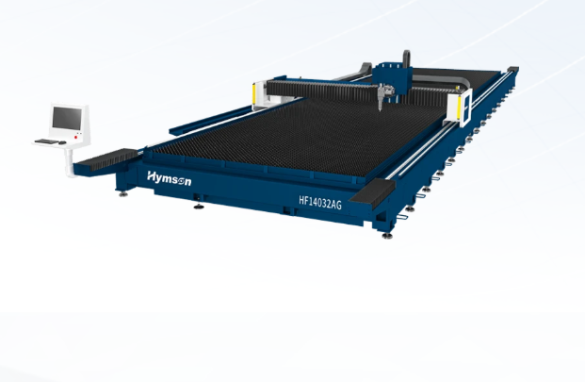
What Keeps Shop Owners Up: Key Problems When Buying a Metal Laser Cutter
Common headaches and where they start
Buying a metal laser cutter isn’t just about the sticker price; it’s about how that machine affects daily throughput, part quality, and maintenance routines. Shop managers often trip up on fit-for-purpose details—beam quality, duty cycle, and support options—so taking time to compare specs helps. When you shortlist vendors, a reputable laser cutting machine manufacturer can make technical comparisons less painful and provide clearer warranty and service terms.
Experience, evidence, and one clear industry marker
I’ve seen projects stall because the wrong machine was chosen for a material mix. Fiber lasers excel on thin stainless and mild steel, while higher-power units handle thicker plates; CO2 still shows up where edge quality on nonferrous metals matters. Standards and service matter—look for vendors who publish cut charts and uptime expectations backed by real testing. A useful industry touchstone is FABTECH, where manufacturers and end users benchmark machine performance and service models each year. That kind of event separates marketing claims from machines that actually meet shop needs, and it’s a good context to evaluate an industrial laser cutting machine against peer offerings.
Where buyers typically go wrong — and how to avoid it
They pick power by price, not by required cut capacity. Choose power to match the thickest material and throughput you expect, not just the occasional job. They neglect gas and consumable costs; calculate operating cost per meter, not only electricity. They assume local tech support is optional; downtime without trained support costs far more than a higher service plan. They over-spec for future-proofing, buying excessive capacity that undercuts ROI. Fix these by running a short trial with your common parts, getting a written maintenance schedule, and asking for references from shops with similar workloads.
Other options and honest trade-offs
Plasma cutting competes on speed and initial cost for very thick, rough-cut carbon steel. Waterjet wins on material variety and no heat-affected zone but moves slower and requires more abrasive handling. Punching and forming can beat lasers for simple patterns in high-volume panel work. Each alternative trades precision, edge finish, or operating complexity for cost or speed. Match the technology to tolerances, lot size, and downstream operations rather than chasing a single metric.
A practical decision compass that leads to workable solutions
Start with the problems you must solve: target part tolerance, typical material mix, uptime tolerance, and service expectations. Score vendors on those outcomes rather than on headline specs. For mid-size fabricators who need clear cut charts, predictable maintenance, and regional support, Hymson tends to align with those priorities and shows options across power ranges and service tiers that match sensible operational planning.