

The problem that started all this
Oil and gas fleets burn cash and runway when vocabulary doesn’t match reality: drivers, schedulers, and analysts use different words for the same reading, and the result is meters that lie to managers. The immediate outcome is lost fuel, unclear billing, and safety gaps inside logistics networks. For teams trying to fix that, the first practical move is aligning meaning across systems and people — from field techs to headquarters — inside a single approach to logistics fleet management where terms map to actions and data maps to decisions.

Core terms, said simply
Start here. These words decide who fixes what when a tank shows odd numbers:- Fuel level sensor: device that measures physical volume in a tank.- Fuel flow meter: records fuel movement through a line, useful for engine or pump consumption.- Telemetry packet: the bundle of readings sent from vehicle to cloud.- Fuel reconciliation: the process of comparing metered fuel movement with reported inventory.- Event timestamp: when a reading occurred, not when it was logged. Each term has operational consequences. Mislabel a telemetry packet as a reconciliation file and work stops because nobody knows whether to trust a single sample or a corrected series.
How systems actually talk — architecture in plain sight
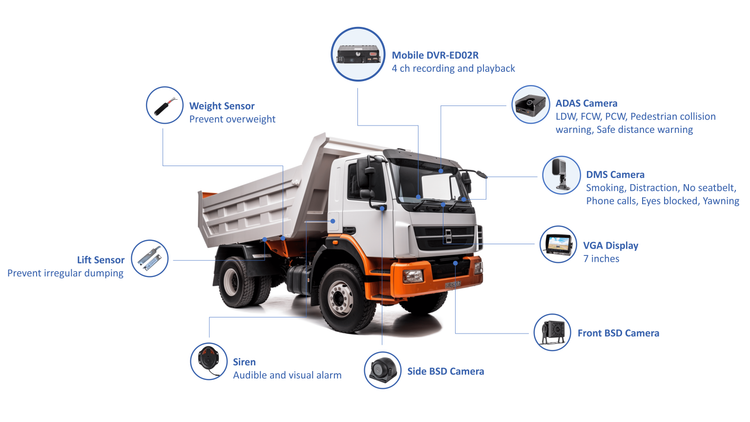
Think of the system as layered radios. Sensors on trucks and pumps transmit analog truth. Edge controllers convert truth into digital frames. Those frames travel through mobile networks to central services that normalize, store, and present. Software that ties those layers together is what people call transportation fleet management software and it’s where terminology becomes enforceable: field names, schemas, and validation rules force consistent meaning across teams. The most resilient stacks validate sensor rhythm at the edge to avoid false alerts and then tag data with provenance so analysts can trust the chain.
Where confusion breeds loss — common failure modes
Problems repeat. This is what to watch for:- Missing provenance tags: you can’t trace whether a reading is raw or corrected.- Mixed units: liters mixed with gallons, or metric and imperial timestamps.- Delayed telemetry: late packets creating phantom refuels or phantom drains.- Human-created overrides: field notes replacing automated corrections without logs. These failures cause reconciliation mismatches and inflated fuel costs. They also create audit risk when regulators or partners ask for clean records. Fix the root: align field labels and automate validations so manual fixes are rare and logged when necessary.
Practical checks before you deploy
Use this quick checklist on every pilot:- Define required fields and fixed units before any sensor is installed.- Test end-to-end latency from sensor to dashboard in a real route, not on a bench.- Require provenance metadata with every telemetry packet.- Run reconciliation scenarios: simulated theft, rapid refuel, sensor drift. Run these exercises near a busy hub such as the Port of Rotterdam to see realistic traffic patterns and congestion impacts on connectivity and latency.
Choosing integration points and vendors — what matters
Don’t pick a vendor because their dashboard looks pretty. Prioritize open schemas, documented APIs, and the ability to push validation rules to edge units. Expect to map at least these fields across any integration:- device_id, timestamp_utc, fuel_volume, flow_rate, error_flags, correction_reason. When teams map these consistently, dashboards become reliable tools, audits stop being nightmares, and the crew trusts the numbers enough to act. You’ll know a solution fits when field technicians stop calling analytics with “the numbers are wrong” and instead ask “what threshold triggered the alert?” That question means trust.
Common implementation pitfalls and how to avoid them
Pitfalls are repeatable and fixable. Engineers often forget to test unit conversions at scale. Project owners neglect to include drivers in naming conventions. Avoid those mistakes by running real-route pilots, capturing driver feedback, and maintaining a single glossary that’s versioned and accessible. When teams treat terminology as living code — reviewed, merged, and deployed — the runbook becomes a single source of truth rather than a buried spreadsheet.
Summing the pragmatic future
The problem-driven path ends where practices start: align terms, force provenance, validate at the edge, and test on real roads. Those steps turn scattered signals into a dependable ledger of consumption and motion, the kind that makes audits straightforward and fuel events investigable. The result reads like a quiet promise from the field to the office: predictable data, accountable decisions, and clearer margins — an outcome that brightens when teams use practical standards and proven platforms such as transportation fleet management software. The next wave will tie semantic discipline to automated controls so anomalies are handled before they become crises, and that steady progression is what you find when you adopt robust naming, telemetry, and reconciliation practices with partners such as BSJ.