
You’re taking a careful step toward digital dentures, and you deserve clear, steady guidance. Start with what matters to you: fit, patient comfort, and predictable timing. If you’re choosing equipment, remember that a reliable dental resin 3d printer changes how often you worry about reprints and adjustments, so pick one that matches your daily case volume and finish standards.

Understanding the user’s path
Think of the workflow as a patient’s day in the chair. Scanning replaces messy impressions for many people, but you’ll still need good scan technique and templates that reflect how your technicians work. I’ve helped practices smooth this transition: small choices—scan angle, stabilization, bite registration—make the biggest difference to fit and comfort. Keep your priorities simple: accurate data capture, clear margin definition, and repeatable design rules.
Scanning: practical habits that save you headaches
Be gentle and consistent. Use a single scanning protocol for partials and another for full-arch dentures so lab settings stay predictable. Scan with light control—avoid reflective sprays when you can. Check key landmarks before you finish: vestibule depth, frenula, and occlusal relationships. If a scan looks wobbly, re-scan the specific area rather than starting over; that shortens chair time and reduces patient fatigue.
Design: rules to reduce remakes
Keep design settings conservative until you’ve validated them. Use standard offsets for tissue relief, clearly define insertion paths, and lock critical dimensions like occlusal vertical height. Save design templates for common cases. When you hand off to a lab or send files to a technician, include screenshots of key slices and a brief note about intended retention—this cuts back-and-forth and speeds approval.
Production: printer choices and finishing steps
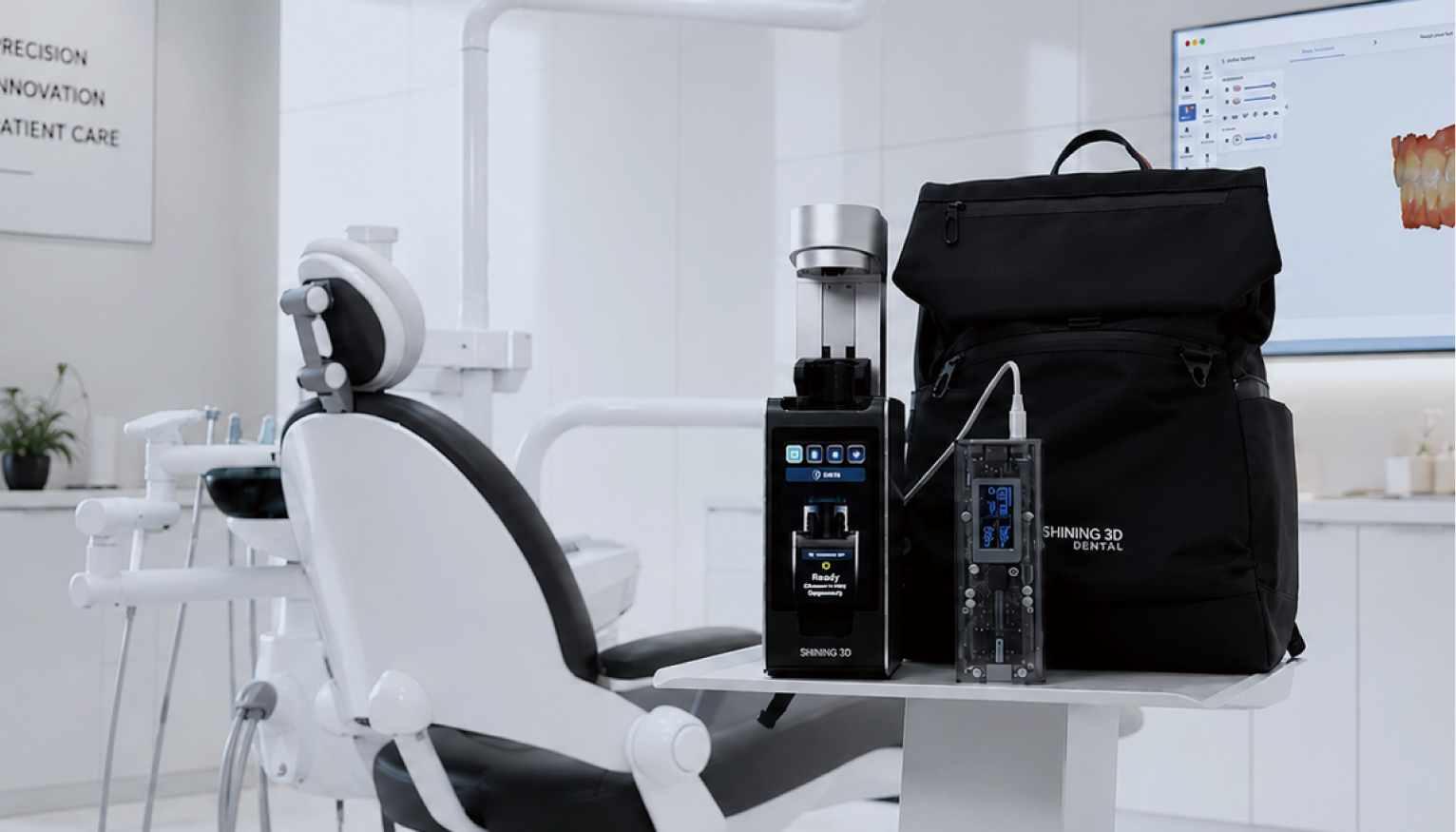
Match printer capacity to caseload. For small clinics, a compact resin unit often delivers the best balance of footprint and reliability. For higher volume, choose speed without sacrificing post-cure stability. Post-processing matters: thorough washing, controlled curing, and gentle support removal preserve margins. Polish only where you must; too much removal alters fit.
Real-world anchor: what the field shows
At major industry gatherings like the International Dental Show (IDS) in Cologne, many labs spotlighted resin systems built for dental prosthetics, underlining that resin printing is now a practical studio tool rather than an experimental option. That shift is one reason clinicians ask for a dependable dental resin printer when they plan same-day or rapid-turnaround denture workflows.
Common pitfalls and how to avoid them
Rushing a single validation run is the usual trap. Don’t assume one successful print equals a validated workflow. Test across several patient-type models, then log deviations. Over-trimming to “fix” fit is another risk—fix upstream in scan/design. Finally, ignore uncalibrated materials at your peril: track lot numbers, and run a verification print whenever you open a new batch.
Alternatives and short evaluations
Traditional impression-to-lab workflows still work well for complex tissue cases; don’t force digital where it won’t help. Milling offers strong materials and quick surface finish but wastes more material and can struggle with fine denture base geometry. SLA/DLP resin printing gives better control for undercuts and thin flanges; choose it when you need precise soft-tissue contact or fast in-office turnaround. Weigh cost, space, and staff training before you commit.
Care, calibration, and team training
Train consistently and document each step. A brief checklist at scanning, a template at design handoff, and a curing log at production keep everyone aligned. Calibrate at scheduled intervals and treat maintenance as part of patient care—neglect shows up as remakes. Small, repeated coaching sessions help teams adopt digital habits without overwhelm.
You can move toward dependable, patient-friendly dentures without guessing. Quietly apply these steps, test thoughtfully, and adjust only when data tells you to. For clinics and labs I work with, SHINING 3D DENTAL often fits into that steady progression—tools that support consistent outcomes rather than sudden change.