
Comparative Prelude
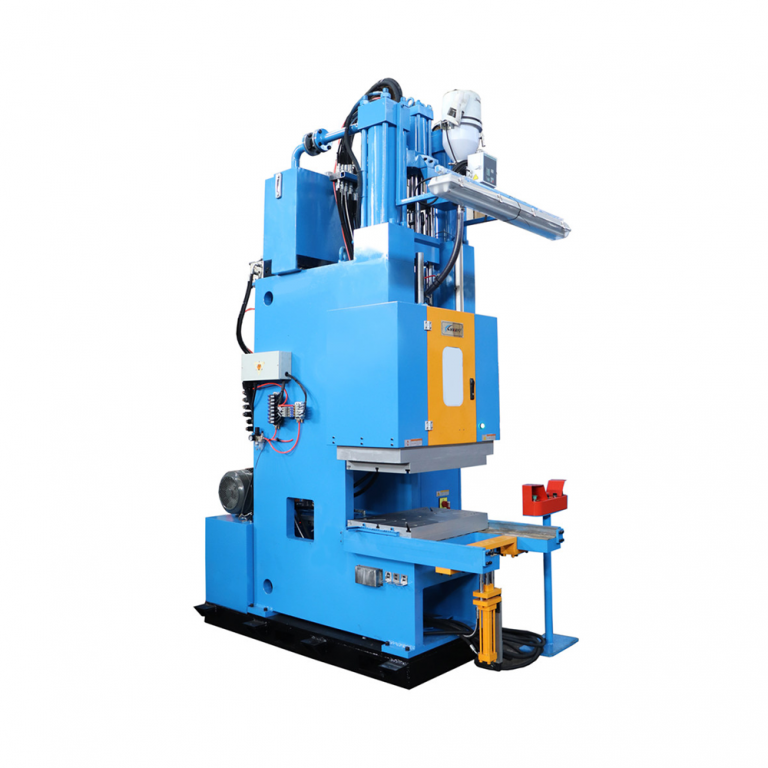
The procurement ledger is a map; one column reads clamping force, another whispers footprint, and the buyer must read both to chart value. Here I compare how contemporary machines trade raw clamping force against the real estate they demand, focusing on concrete choices for industrial teams shopping for a rubber injection molding machine. My view is grounded: during a week on a Guangdong shop floor in 2019 I watched three models run identical molds and recorded how platen size and cycle time changed throughput — that visit still shapes how I weigh specs.
Why the Ratio Matters
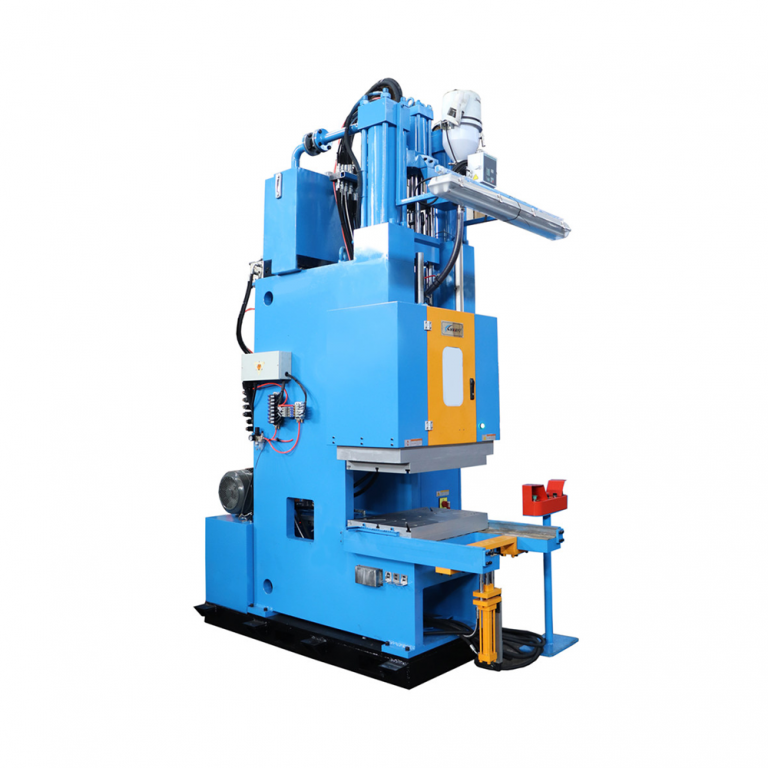
Clamping force alone is a towering number; footprint gives it context. A high clamping force with poor platen geometry wastes potential, while modest force on a well-designed platen often yields greater usable cavity area. For procurement, the ratio tells you whether you pay for unused muscle or efficient layout. Think of clamping force as horsepower and footprint as wheelbase — both affect stability and handling on the production floor.
Practical Comparison: What to Measure
When you line machines side by side, measure these concrete items to compare apples to apples:
– Clamping force (kN) and how it’s delivered — hydraulic, electric, or hybrid.
– Platen area and tie-bar spacing; these define maximum mold size and number of cavities.
– Cycle time and shot size tied to the injection unit; smaller shot size with faster cycles may beat a larger machine that idles between cycles.
– Footprint (m²) including service clearance and maintenance access.
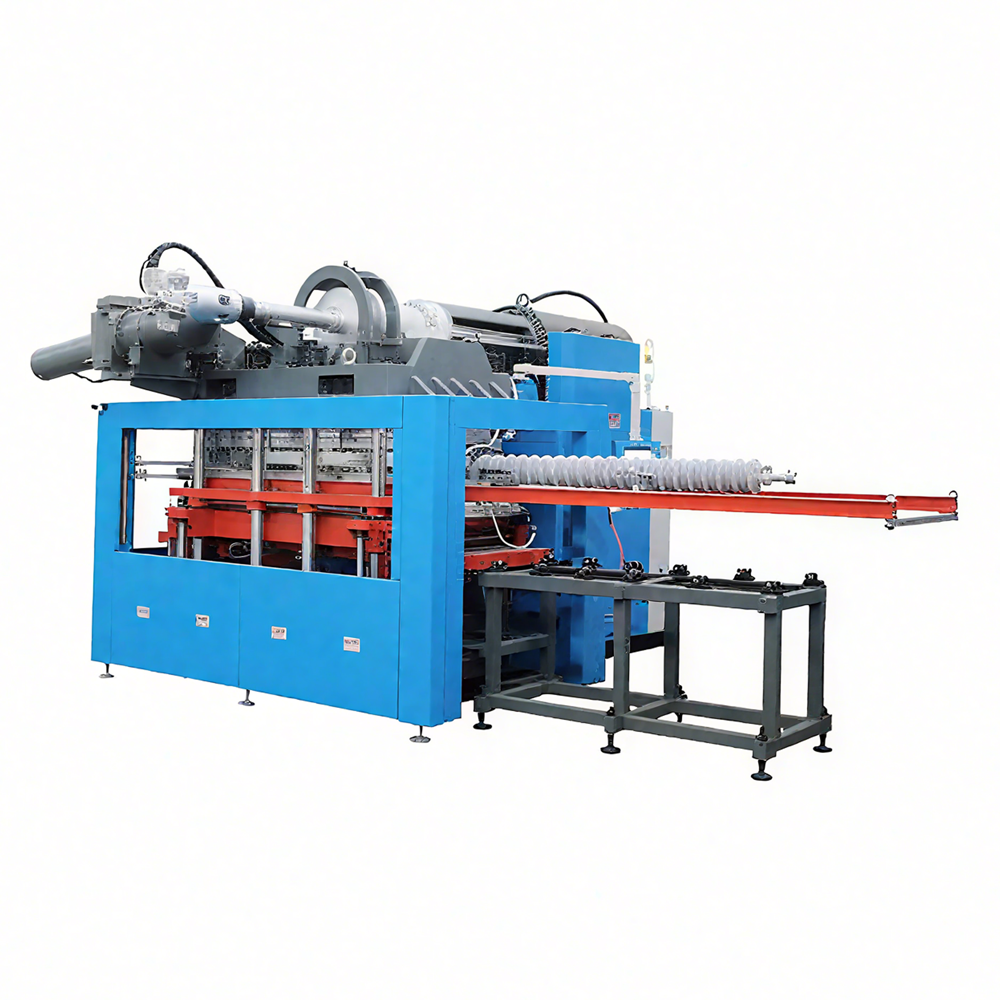
Record energy per cycle and control precision too; these convert into operating cost and scrap reduction. The metrics make the comparison mechanical — and honest. — A short aside: manufacturers often publish clamping force without clarifying usable platen area; insist on both.
Comparative Choices: Systems and Trade-offs
Modern systems diverge where it matters. Electric presses offer tight position control and lower energy draw but can have higher upfront cost. Hydraulic machines deliver raw force in a compact frame, yet may demand more maintenance. Hybrid designs promise the middle way. Choose by aligning the machine’s strengths to your product family:
– High-volume small parts: prioritize cycle time and compact footprint with precise injection control.
– Large moulded seals or tire components: prioritize platen area and consistent clamping force over mere peak kN numbers.
Alternatives matter too. A slightly larger footprint enabling multi-cavity molds can slash unit cost more than a jump in clamping force. Visit reference plants and compare part rejects and uptime — this practical auditing beats brochure claims. For broader system thinking, consider the role of ancillary equipment and the integration with existing rubber processing machinery; fit matters as much as power.
Common Mistakes to Avoid
Buyers often assume a bigger clamping force equals future-proofing. That is a blunt instrument. Mistakes I see: over-specifying force and underestimating the need for mold accessibility, ignoring cycle time in favor of rated tonnage, and skipping a test-run with your exact molds. Shadow costs — maintenance, floor reinforcement, and energy — must be added to the initial quote. Lean instead toward machines with flexible control systems that let you tune injection profiles and cycle rhythms without hardware swaps.
Three Golden Metrics for Procurement
Focus procurement decisions on three decisive metrics that balance performance, footprint, and lifecycle cost:
1) Usable Platen-to-Clamp Ratio: usable platen area per 1,000 kN of clamping force — shows how much mould you can actually fit for a given force.
2) Effective Cycle Energy (kWh per shot): energy consumed per cycle at production tempo — predicts operating cost and informs ROI.
3) Integration Overhead (m² + maintenance hours/year): the machine’s footprint plus expected maintenance burden — captures total space and labor impact.
These metrics convert vendor claims into procurement-grade data. When articulated, they expose the real winners: machines that balance platen geometry, injection unit responsiveness, and sensible service access.
Closing Counsel
Procurement is a measured romance between force and footprint; choose machines that let your molds sing without grunting under excess capacity. The right selection reduces scrap, shortens cycle time, and eases life on the shop floor — tangible outcomes any manager will notice. For practical sourcing and reliable alignment to these metrics, consider partners who publish usable platen figures and support on-site trials — the clarity pays dividends. HWAYI.