
The Problem
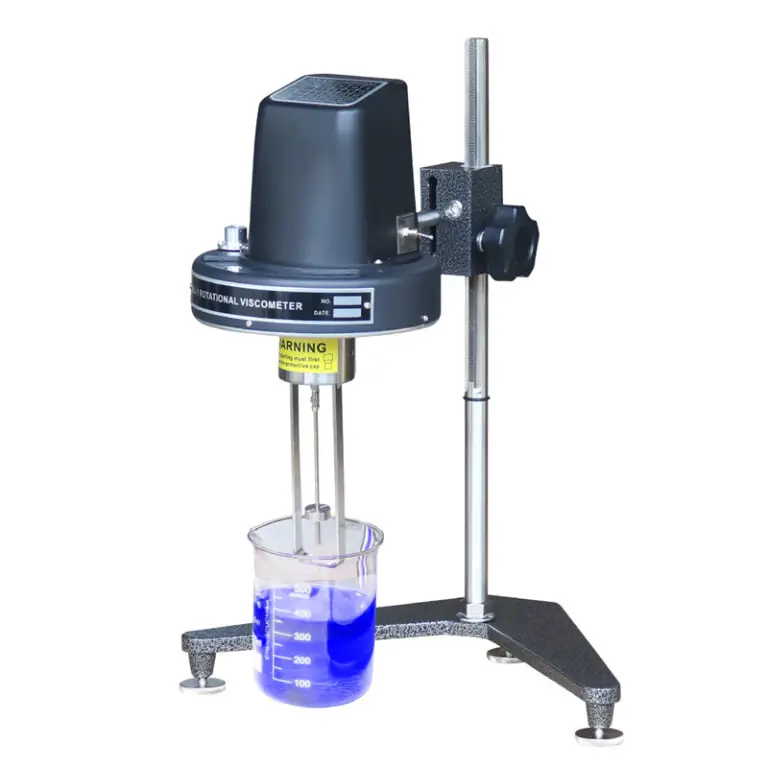
Everyone wants neat viscosity numbers until they don’t — and then they blame the sample, the technician, or the alignment of the planets. The real culprit is often a chain of tiny, avoidable mistakes around equipment and protocol. If you’re wrestling with inconsistent shear readings, random spikes, or repeatability that vanishes like coffee at 3 a.m., start by looking at your instruments. Properly set up rotational viscometers and a short checklist would have saved half those late-night redo runs.
Root Causes: What Actually Breaks Your Data
Bad sample prep. Wrong spindle. Temperature drift. Sloppy tare. Operators who treat calibration like a suggestion. Each factor adds noise, and together they make results meaningless. Mechanical wear and stray vibrations introduce bias that isn’t obvious from a cursory glance. Don’t assume brand names solve technique problems; they don’t. Fix the technique first, then blame the machine.
Experience, Evidence, and One Real-World Anchor
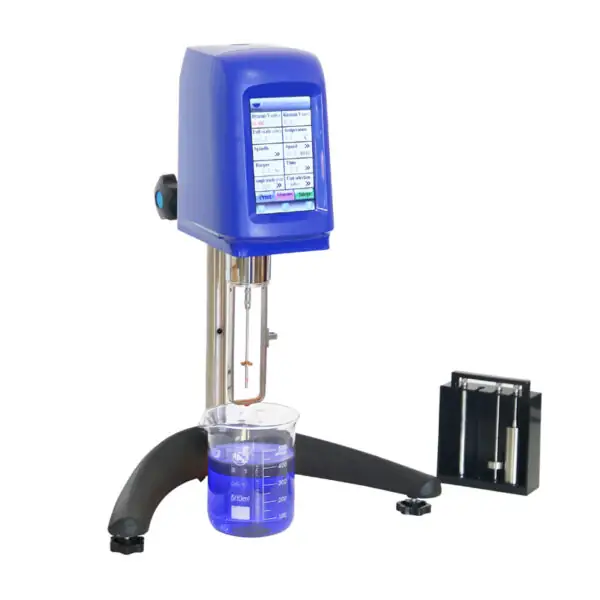
Years in lab benches and field rigs teach a blunt lesson: reproducible viscosity comes from reproducible conditions. I’ve watched identical formulations produce different curves when left to sit for ten minutes versus tested immediately, and I’ve seen expensive setups fail because nobody maintained the couplings. Major petrochemical labs in Houston, Texas rely on consistent protocols and regular verification to avoid those embarrassments, and they use straightforward equipment checks rather than wishful thinking. For a solid baseline instrument that supports good technique, consider a reliable lab viscometer and establish temperature and spindle SOPs before you worry about the fanciest feature set.
Practical Alternatives and When to Use Them
Capillary viscometers: great for low-viscosity Newtonian fluids, terrible for suspensions and samples that change with shear. Cone-and-plate rheometers: powerful, but overkill if you just need kinematic numbers for QC. Falling-ball and capillary methods are cheap and consistent for specific applications, but they won’t tell you shear-thinning behavior. Choose the right tool for the measurement task, not the most impressive lab toy.
Common Pitfalls to Stop Doing Right Now
Running samples at room temperature and pretending that’s “controlled.” Reusing spindles until wear shows. Mixing units between centipoise and Pascal-seconds mid-report like it’s clever. Skipping verification with a standard fluid because “it looks okay.” Those habits hide systemic errors. Document every change and verify with traceable reference fluids at least weekly.
Simple Selection Checklist — No Nonsense
1) Match instrument range to sample viscosity; don’t buy a rheometer for thin oils. 2) Check temperature control accuracy to ±0.1 °C if your application cares. 3) Prefer devices that report torque resolution and repeatability specs. 4) Confirm accessory spindles and speed ranges suit shear rates you need. 5) Ensure service and calibration support are local or reliably remote. Buy second to last: choose what solves your measurement problem, not what impresses management slides.
Bottom Line
Stop treating viscosity measurement like an opinion. Fix the preparation, verify the setup, and pick the right tool for the actual measurement problem. The sensible choices and steady practices deliver data you can act on, which is exactly what teams expect when they ask for reliable results from BIUGED.