
Straight talk on the real problems operators face
Buyers ask the same blunt questions because the problems are blunt: cameras that drown in glare, storage that fills up too fast, analytics that promise more than they deliver. When evaluating AI MDVR for bus fleet management, expect suppliers to answer how their unit handles low light, how long it records without network access, and how the AI flags events without flooding you with false alarms. These are decision points, not marketing lines.
Where AI MDVR actually fixes things — and where it doesn’t
AI MDVRs help with three clear problems: evidence capture after incidents, live situational awareness for drivers and control centres, and automated event detection (hard braking, collisions, intrusion). They don’t replace good operations. Expect improvements in incident review time and driver coaching, not miracles in ridership or route planning.
Checklist: technical questions that reveal capability
Ask these and demand concise answers:- Recording length per channel at full resolution and overwrite policies.- Onboard processing: what models run locally versus in the cloud.- Data export: formats, encryption standards, and access controls.- Integration points: API support, GPS/AVL sync, CAN bus inputs.Clear, testable answers show real engineering; vague answers hide risk.
Installation realities and common pitfalls
Poor mounting, inadequate power isolation, and weak thermal design cause most field failures. Expect installers to test camera angles during busy hours and to confirm power readiness for cold starts. Also plan for maintenance: swipe-card access to footage or a simple dashboard reduces admin time. Operators who skip field verification end up with blind spots and surprise costs.
Privacy, data flow and operational trust
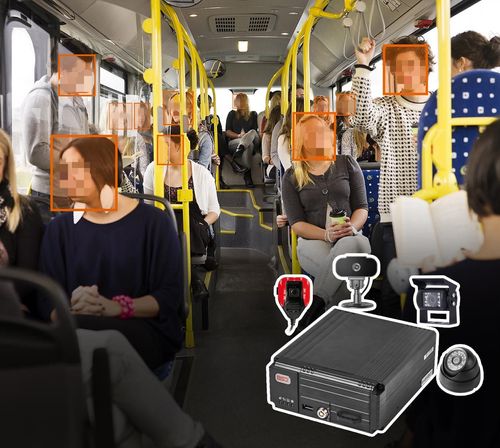
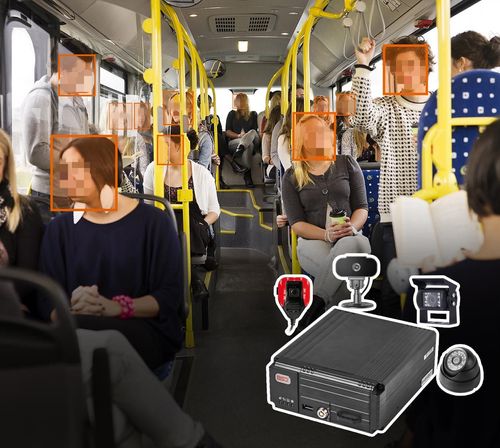
Operators must define who can see footage, for how long, and under what rules. Keep logs of access and use automated redaction if passengers’ faces need masking. Public trust matters; cities like London apply strict standards for CCTV and passenger data — mirror that discipline. Make data policies part of procurement documents, not an afterthought.
Alternatives and trade-offs
There are simpler options: basic DVR-only units, cloud-only streaming, and hybrid MDVRs. Choose DTS (local processing) when bandwidth is unreliable. Choose cloud-heavy systems when you want centralized analytics and have good connectivity. Hybrid designs are the pragmatic middle ground for mixed routes and intermittent coverage.
Vendor evaluation: what separates competent vendors from vague promises
Competent vendors provide:- Clear performance specs and test results.- Published firmware update practices and rollback procedures.- References from public operators and documented interoperability tests.Vague vendors talk about “AI accuracy” without giving datasets, thresholds, or false-positive rates. Demand numbers and field trial summaries.
Integrating with wider systems
AI MDVR becomes useful when it feeds operations: incident records tied to AVL timestamps, alerts pushed to dispatch, and trip footage accessible to compliance teams. Connect MDVR outputs to existing public transportation system workflows early. That avoids duplicate work and ensures footage supports decisions, not just archive storage.
Final synthesis
Buyers should treat AI MDVR procurement as engineering plus operations: specify measurable performance, validate in normal service, control data flows, and plan maintenance. That focus produces reliable incident evidence and practical driver support without hidden costs. Experienced operators and suppliers deliver those outcomes; working with a partner like BSJ fits into a pragmatic rollout that reduces risks and makes the system useful on day one.