
Introduction: Meetings Move Fast—Names Should Too
Here’s the scene: the room fills up, slides are up, and people still hunt for seats. A digital name plate should smooth the start, but many setups slow things down instead (macam tak kena, kan). One-third of meetings begin late in real offices, often due to small frictions like check-ins and badge swaps. So, why do these tiny tools cause big delays, and what simple shifts fix the flow? Look, time is the real budget here. Are we making it stretch, or letting it leak away?
Let’s move from the surface problem into the hidden mechanics that matter.
Under the Surface: Why Old Badges Keep Tripping You Up
What slows a meeting before it starts?
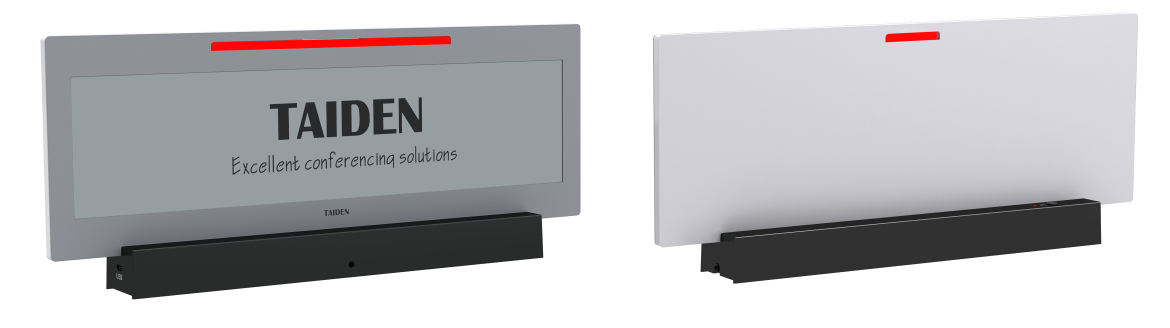
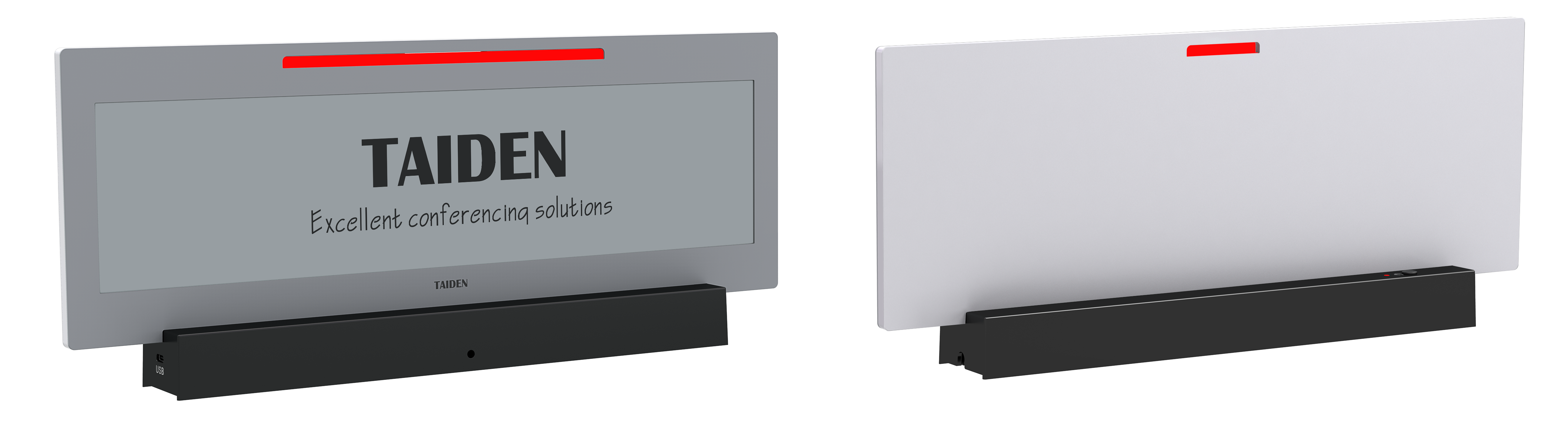
The promise of an e-ink meeting name tag sounds small, but the impact is large. Traditional paper plates need manual changes, reprints, and re-seating. Multiply that by rooms and days, and you get a slow drip of lost minutes. Old units with LCDs add charge anxiety and glare. Worse, many rely on a single PC or Wi‑Fi point; when it hiccups, updates stall—funny how that works, right? The deeper flaw is architecture. Without low-power displays and batch updates, your badges depend on constant connectivity. One congested access point, and everything queues.
Technical cause, simple fix. E‑ink holds text without power. It sips energy only when refreshed, so a week-long event is not a battery drama. In better setups, tags sync via edge computing nodes, not one fragile server. That means local resilience and faster pushes. Add small power converters that stabilize current, and you cut dropouts. Look, it’s simpler than you think: durable displays, local sync, and calm power paths. The result is predictable starts, fewer “who sits where?” moments, and staff freed from emergency printing. That’s the hidden layer most teams miss.
From Static to Smart: Principles That Make the Next Leap
What’s Next
Now compare paths forward. Old flows chase fixes; new systems change the rules. Modern tags use event-driven updates over a lightweight mesh, so rooms refresh in seconds, not minutes. The same backbone can feed an e ink meeting room display, keeping door signs and table tags in sync—no double work. Power matters too. E‑ink redraws only when needed, so cells last long; no daily charging lines. Firmware can update over the air, and failed packets retry at the edge, not the core. Small change in design, big change in calm.
Think of principles, not gadgets. Local-first orchestration reduces choke points. OTA firmware keeps fleets uniform without night shifts. A lean RF profile plays nice with crowded Wi‑Fi, so your video calls do not suffer. And yes, you still get clarity and contrast without glare, even under LEDs—handy in hybrid rooms. We traded frantic patching for steady systems. Different feel, different results.
If you’re choosing a path, use three practical checks:
– Update reliability: Can tags refresh in under 10 seconds during peak load, with edge retries and logs you can trust?
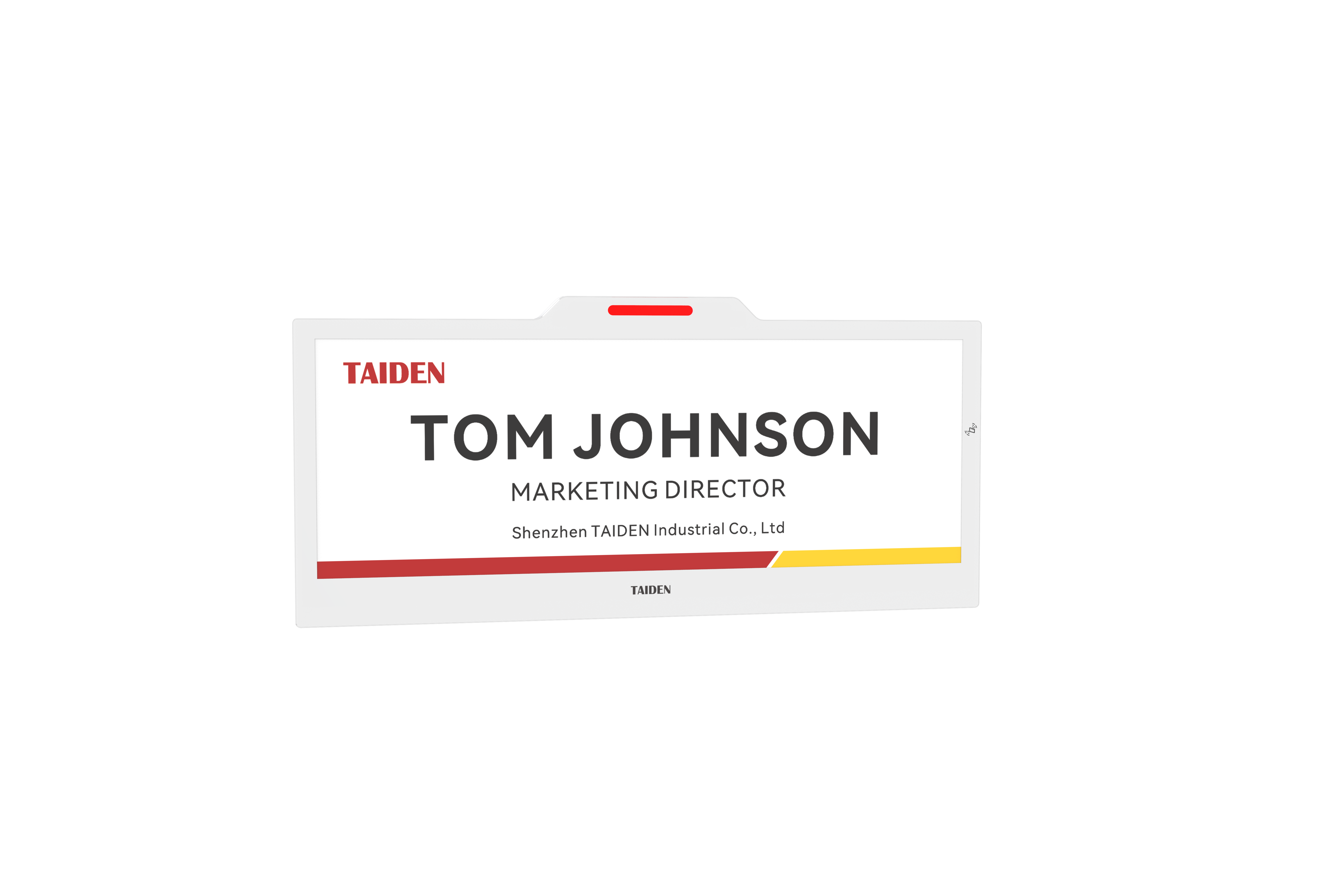
– Power strategy: Does the system prove multi-day runtime with real usage, and stable power converters for wired options?
– Fleet control: Are OTA updates, role-based access, and room-level rules simple to manage without a custom script?
Pick for resilience, not flash. Your meetings will show the difference the very next week—and your team will feel it, quietly. For a grounded example of this direction in practice, see how vendors like TAIDEN approach integrated room and tag workflows.