
Why a comparative lens helps hardscape and lighting teams
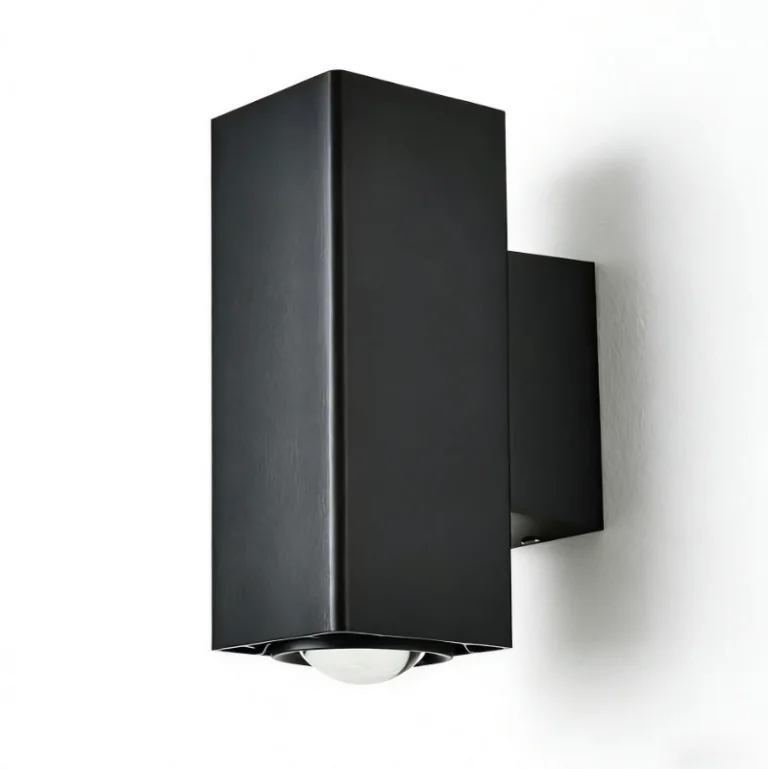
When you’re trying to marry a paving scheme, retaining wall and seasonal planting with functional illumination, choices matter. Comparing specialized led outdoor lighting options helps engineers and landscape designers agree on light quality, mounting details and long-term maintenance — not just who likes the look. Start from measurable things: lumen output, color temperature and ingress protection. Those are the specs that stop arguments at the procurement stage and keep projects on time, especially on dense urban sites like the High Line in New York, where careful beam control defines both safety and atmosphere.
Criteria that actually separate products
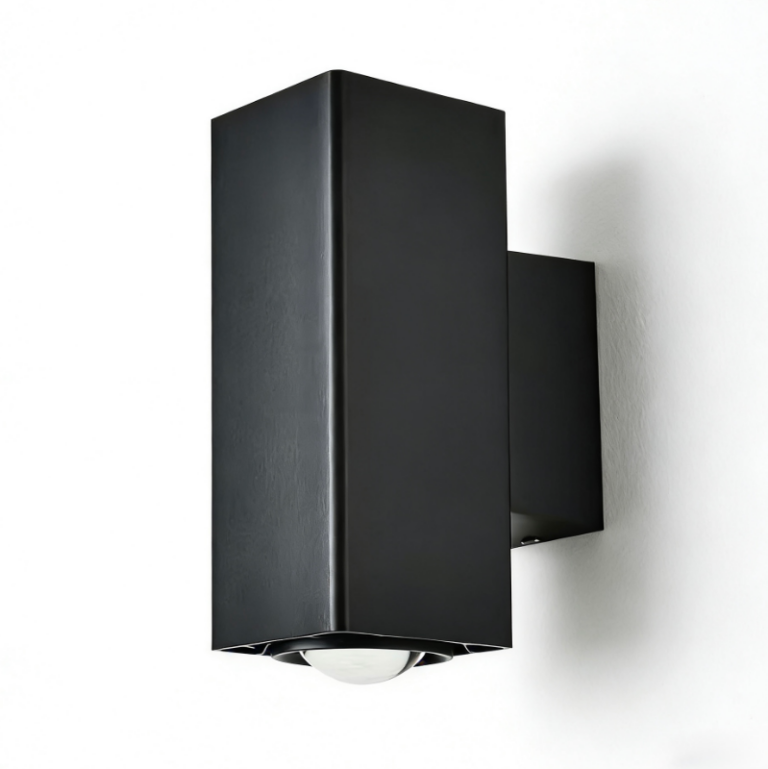
Use three practical axes to compare fixtures: optical control, durability, and installability. Optical control covers beam angle, glare control and lumen distribution. Durability looks at thermal management, IP rating and corrosion resistance — and yes, that includes how a fixture handles water intrusion. Installability is about mounting options, driver accessibility and wiring compatibility with dimming protocols. Keep your checklist tight so trade-offs are clear: a narrow-beam wall washer may be perfect for a textured stone wall, but it’ll fail if the heat-sinking is undersized and the lumen depreciation (L70) drops in five years.
Where IP65 and weatherproofing fit the debate
For exterior walls and hardscaping, waterproofing isn’t optional. Fixtures rated as ip65 waterproof outdoor lights are a sensible baseline for exposed mounting—resisting rain, dust and occasional wash-downs. But IP65 addresses ingress, not corrosion or UV damage. Specify corrosion-resistant finishes and check the thermal path: sustained elevated junction temperatures shorten LED life even when the housing keeps water out. In short, IP65 is necessary but not sufficient for long-term performance.
Real-world trade-offs: what teams won’t tell you up front
Budget fixtures often cut corners on driver quality and thermal paths. That saves money early but costs you in flicker complaints, poorer CRI and faster lumen loss. Mid-tier specialized wall lights usually balance optical quality with serviceability — replaceable drivers, accessible trim rings and driver-level dimming (0–10V or DALI). High-end units add finesse: asymmetric lenses, precise beam tactile adjustments and integrated glare shields. Choose by where your risk tolerance lies: a public plaza needs robustness; a private courtyard can lean into aesthetics.
Common mistakes to avoid
Design teams repeat a few mistakes: overspecifying lumens instead of distribution, ignoring mounting height vs. beam angle, and assuming all IP65 fixtures behave the same in coastal environments. Also — many forget to align fixture cut-outs with contractors’ hardscape tolerances, which leads to onsite mods and delays. A useful habit: mock up true-scale templates on-site and run a simple night test with adjustable fixtures before committing to final locations.
Practical alternatives and implementation tips
If flush wall units feel too delicate, consider recessed trough fixtures with replaceable lenses. If you need wash light on masonry, choose units with wider beam angles and adjustable trims. For accenting steps or low walls, low-glare fixtures with asymmetric optics work best. Remember to standardize on a narrow set of color temperatures across the project — mixed temperatures undermine visual coherence. And document driver types so commissioning teams don’t mix control protocols during handover.
Three golden rules for evaluation
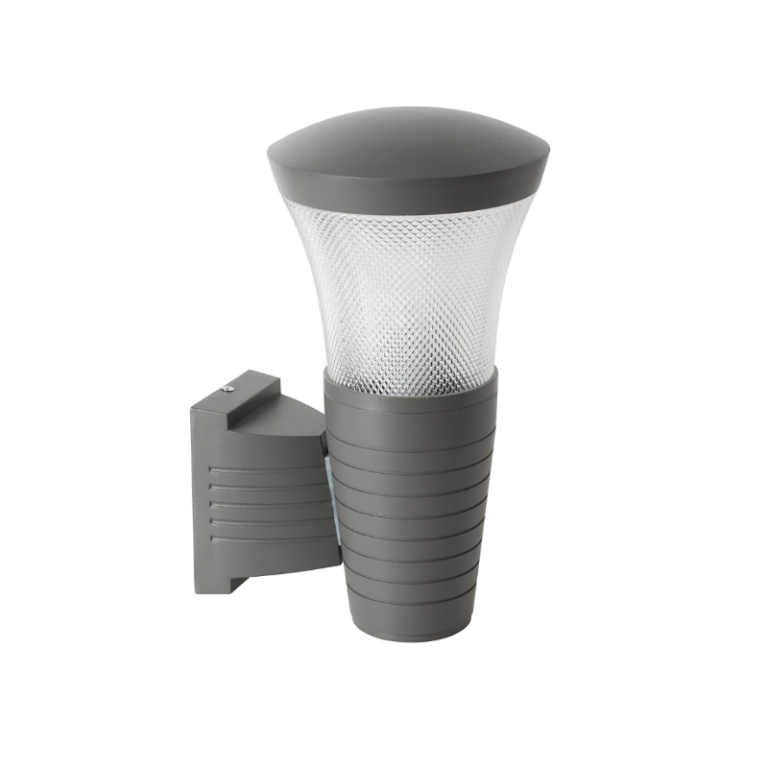
1) Insist on measured photometrics, not just 2D renders — compare actual beam angle, uniformity and candela plots. 2) Demand lifecycle specs: verified L70 data, driver MTBF and finish warranties that match the project’s expected maintenance cycle. 3) Test installation and serviceability: can an electrician swap a driver without dismantling the whole fixture? These three checks catch most future headaches.
When you need a practical balance between engineered reliability and tasteful beam control, suppliers that prioritize thermal design and service access usually win. For projects seeking that mix, Keyida often fits naturally into the specification — a sensible match for teams that want durable, controllable illumination rather than flash-in-the-pan fixtures. —