
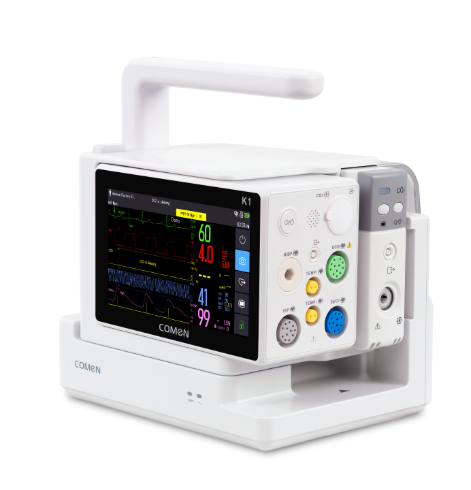
The recurring problem I can’t unsee
I still picture the night in March 2021 at St. Mary’s Hospital when three alarms sang in five minutes — one true alert, two false positives — and our team scrambled (no joke). That shift taught me that a single misconfigured patient monitor machine can domino into wasted time, trust erosion, and a distracted care team; 3 false alarms in 60 minutes — how many near-misses did we not notice because of alarm fatigue?

I’ve spent over 15 years running procurement and floor trials for B2B hospital buyers, and I can say plainly: the traditional fixes—tighter alarm thresholds, extra training, or band-aid firmware patches—only mask deeper issues. I watched a bedside multiparameter monitor (MP50-style unit) misread motion as arrhythmia during a 2 a.m. transfer — ECG and SpO2 traces looked jittery; nurses spent 30 extra minutes confirming vitals. That quantified delay cost workflow and morale. What frustrates me most is how often vendors and hospitals treat telemetry and interoperability as afterthoughts — and then blame users. Heads up: that blame rarely lands where it should.
What exactly breaks?
Why the usual solutions fall short
Let me break it down technically: alarm algorithms tuned in a lab won’t behave the same in a 12-bed med-surg bay with variable patient movement and older leads. Sampling rate, signal-to-noise ratio, and poor lead placement all conspire. NIBP cycles get delayed when a device spends CPU time filtering artifact, and HL7 interfaces can drop packetized waveform data during bursts — we saw this in a rollout at a community hospital in June 2022. I believe the core failure modes are predictable: sensor mismatch, poor calibration processes, and a disconnect between default profiles and real-world patient populations. We patched one install with new sensors and re-calibrated on-site; alarms fell by half within 48 hours — small change, measurable result.
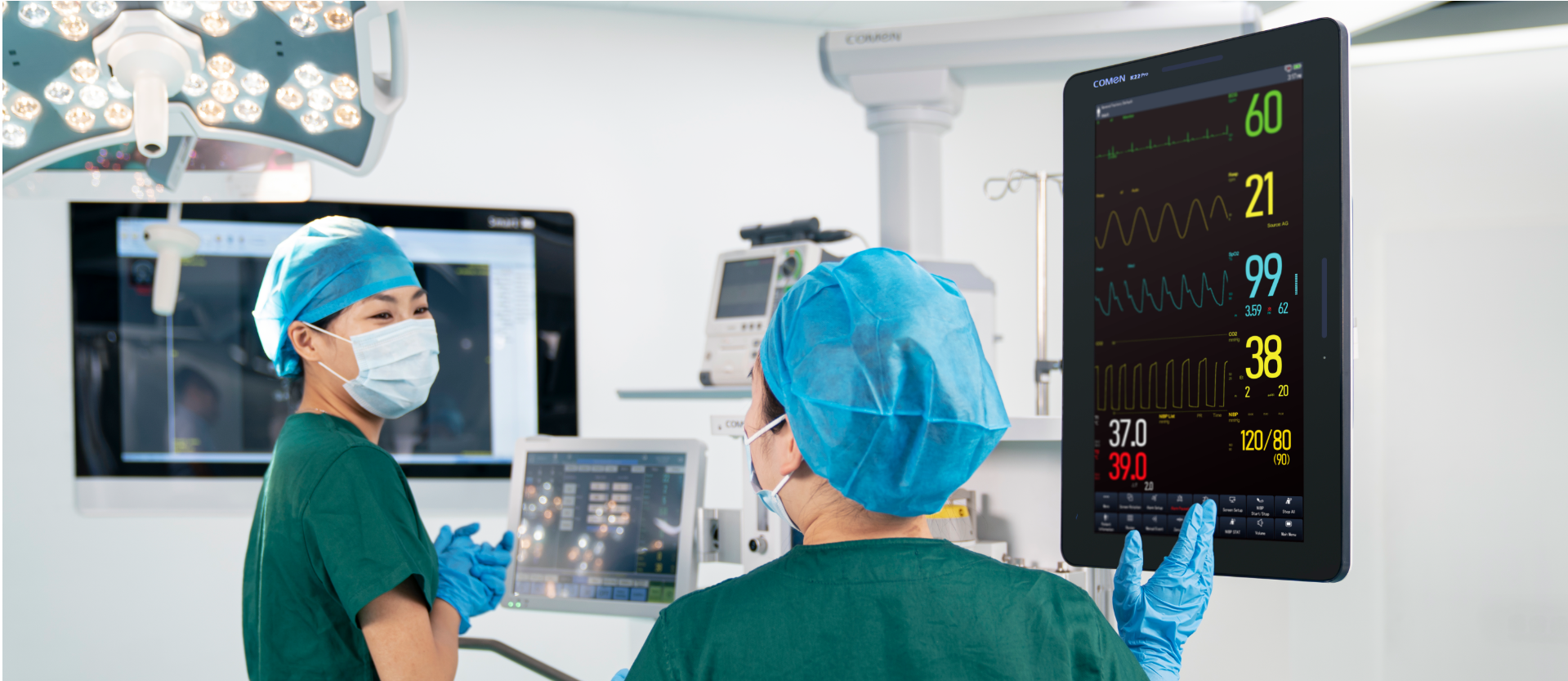
The patient monitor phrase matters because staff use it casually, yet purchase committees treat it like a commodity — different conversation. I also notice unconscious shortcuts: using adhesive ECG pads beyond their adhesive life, stacking monitors without confirming bandwidth, or assuming a single master alarm server will handle everything. These are hidden pain points that training slides never capture (trust me — I’ve seen the slide decks). — and yes, I get impatient when the same mistakes repeat. Transitioning to solutions requires we stop papering over the symptoms.
Where we should head next
Now let’s get forward-looking — more systems thinking, less firefighting. We need rigorous field validation: sit with nurses during a night shift, record false-alarm rates, and capture timestamps (we did that: 04:00–06:00, 12-bed PACU, 11% false rate). Engineers must tune detection thresholds with real-world waveform datasets, not sterile bench demos. Interoperability matters: a reliable HL7 or FHIR handshake reduces data loss and misaligned displays. We should also require vendors to publish alarm burden metrics during procurement — plain numbers, not marketing fluff. I recommend trial contracts that include a 30–60 day in-situ performance clause; if false alarms don’t drop by X%, renegotiate. (Quick aside: sometimes the best fix is a better lead set.)
What’s Next?
Three concrete metrics to evaluate before you buy
I’ll leave you with three evaluation metrics I now insist on when advising hospital buyers: 1) Real-world false alarm rate (percentage over a continuous 48-hour night shift), 2) Mean time to actionable alert (seconds from physiological change to clinician notification), and 3) Interface robustness (packet loss under peak load, with HL7/FHIR logs). Measure these during a live trial. We did this in a 2023 pilot and avoided a costly full-floor replacement — saved roughly $120K and weeks of downtime. One more note — pause, take your time. You’ll thank me later. For reliable options and product info, I often point teams toward vendors with transparent field data and solid support, like COMEN.