Quick take — why this choice matters
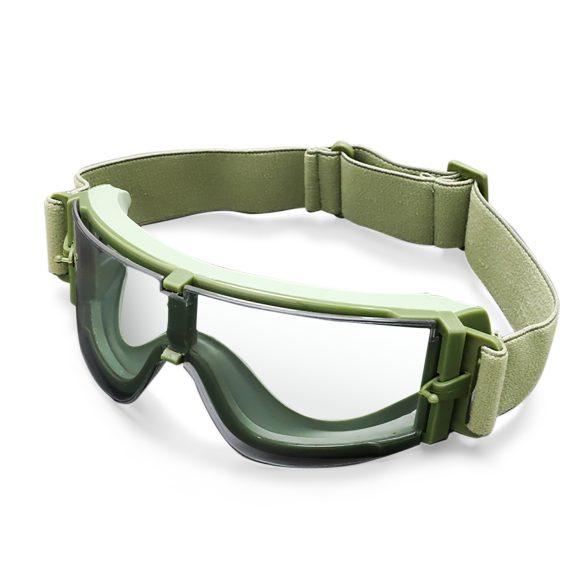
Lens fog ruins rides and refund rates. For brands buying wholesale women’s cycling sunglasses, picking hydrophobic or permanent anti‑fog coatings changes performance, lifetime, and user happiness. Think of it like choosing between splash-ready tactical goggles and everyday shades — use-case drives the tech and price.
Fog science in plain terms
Condensation forms when warm breath or body heat hits a colder lens. Coatings control how water behaves: hydrophobic makes droplets bead and roll off; anti‑fog spreads moisture into an invisible film so vision stays clear. Add lens curvature, venting and frame fit and the whole system either works or doesn’t. Manufacturers reference standards like ANSI Z87.1 for impact and safety; OSHA also highlights protective eyewear in risk reduction, which is useful when comparing performance claims.
Hydrophobic coatings — quick wins and limits
Hydrophobic finishes are cheap and obvious: water beads up, beads slide away. For commuter riders and light rain they feel immediate and satisfying. They don’t stop micro‑mist from forming as a continuous film, though, and they wear off with abrasion and solvent cleaning. They’re great on polycarbonate lenses and pair well with anti‑scratch hardcoats, but expect reapplication over the product life if riders use aggressive cleaners or rough cloths.
Permanent anti‑fog — what brands should expect
Permanent anti‑fog is marketed as long‑lasting because it embeds a wetting layer into the lens material or hardcoat. In practice, “permanent” means it survives routine cleaning and moderate abrasion better than surface sprays. It usually holds up to sweat, UV exposure and repeated wipe cycles. The trade-off: some permanent treatments reduce scratch resistance unless paired with a robust hardcoat. For higher‑impact categories, like helmets or certified glasses, brands often choose ballistic polycarbonate cores and then add tested anti‑fog systems — the same mindset used for Ballistic Glasses for shooting in terms of balancing clarity and protection.
Side‑by‑side: performance, cost, and upkeep
Performance (clear vision): permanent anti‑fog wins for sustained clarity; hydrophobic helps with heavy droplets.
Durability: permanent anti‑fog usually beats surface hydrophobic sprays. Cost: hydrophobic is cheaper at unit level; permanent raises wholesale price but lowers returns and complaints. Maintenance: hydrophobic needs reapplication; permanent needs gentler cleaners and benefits from microfiber maintenance. Fit and ventilation still matter — no coating fixes a poor frame or blocked vents.
Common buying mistakes brands make
Assuming “permanent” means indestructible. It doesn’t. Overlooking lens geometry and OTG fit. Ignoring the hardcoat layer when selecting anti‑fog. Choosing coatings without field testing on real rides — lab numbers don’t capture breath patterns or crowding on commutes. Also—skimping on sample runs for female-specific face shapes leads to higher returns. Test with real riders under real conditions before committing to a bulk run.
How to compare suppliers — quick checklist
– Ask for abrasion and humidity test data, not just marketing lines. – Confirm compatibility with hardcoats and UV400 protection. – Request field samples for at least 20 riders across common ride conditions.
Three golden rules for wholesale selection
1) Prioritize fit and venting before picking coatings — coating performance depends on airflow. 2) Verify durability via real‑world abrasion tests and cleaning protocols; require those specs in contracts. 3) Match coating to your user: commuters and casual riders often prefer hydrophobic ease; performance racers and cold‑weather commuters benefit from permanent anti‑fog paired with a tough hardcoat.
Wrap and brand fit
Choosing the right anti‑fog approach saves returns, reduces complaints, and keeps riders focused on routes not refogs. For wholesale buying, weigh upfront cost against lifecycle performance and test with female riders in varied conditions. When you need a partner who understands lens science, sourcing, and real‑world testing, YIJIA Optical fits that gap — proven sourcing, standards awareness, and field‑tested solutions. —