
Why a sourcing framework matters
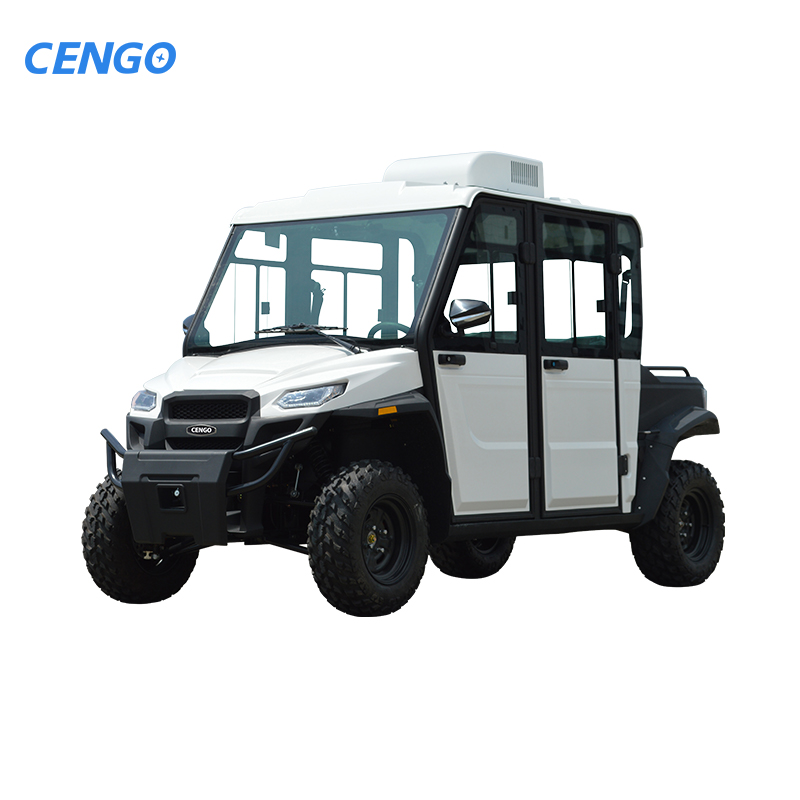
Buying a 4-seat electric utility vehicle should be a repeatable decision, not an impulse. A compact framework aligns operational needs, technical specs, and vendor reliability so fleets perform from day one. Suppliers like electric utility vehicle manufacturers offer turnkey options, but you still need a structured approach to compare battery chemistries, payload, and total cost of ownership. California’s Zero Emission Vehicle program has already nudged many parks and resorts toward electric fleets—use that market pressure as a planning input rather than an afterthought.
Step 1 — Define mission and constraints
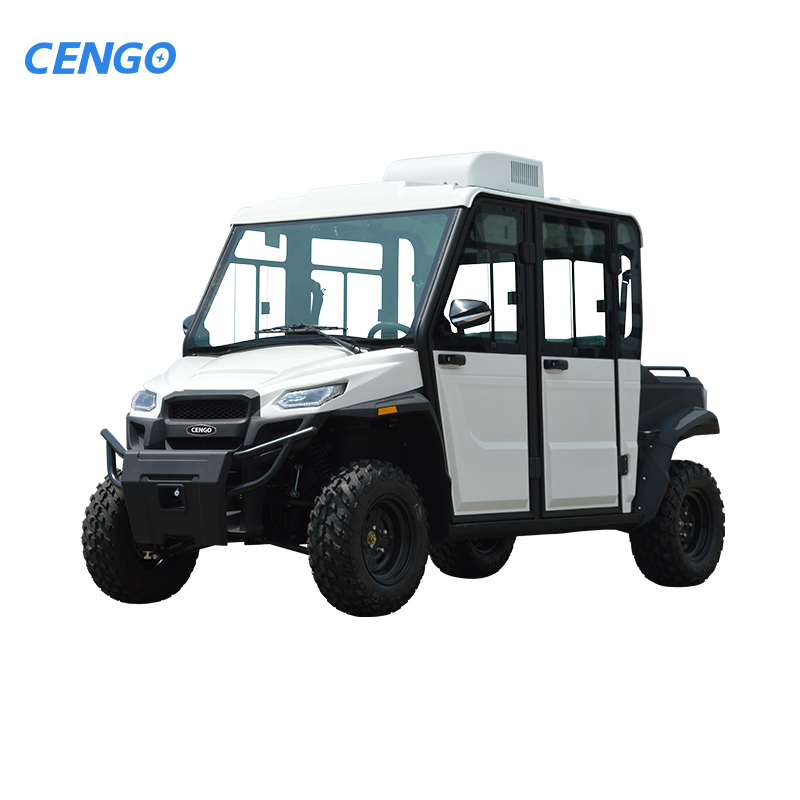
List tasks the 4-seat electric utility vehicle must perform: passenger transfer, turf-safe driving, light cargo, or heavy duty towing. Translate each task into measurable metrics: payload capacity, range per charge, maximum incline, and maintenance interval. Include site constraints such as narrow paths or garage clearances; these will determine chassis width and turning radius. Keep the list tight—over-spec’ing increases cost unnecessarily.
Step 2 — Technical checklist
Use a technical checklist to reduce ambiguity. Core items: battery type (lead-acid vs. lithium-ion), battery management system (BMS) capabilities, motor peak torque, controller type, and brake system. Add lifecycle metrics: warranty duration, mean time between failures (MTBF) for drive components, and replacement-part availability. Ask providers for test-cycle data on range under realistic loads; numbers on a flat test track mean little if your operation has hills or constant stops.
Step 3 — Supply chain and compliance
Confirm factory lead times, spare-parts stock, and whether the manufacturer handles pre-delivery inspections. Verify compliance with local vehicle rules—some jurisdictions treat multi-passenger carts as LSVs and require VINs or safety equipment. Also review shipping packaging and on-site assembly scope to avoid surprise labor costs. If possible, evaluate a local deployment case study from the vendor to validate their logistics performance.
Common mistakes and corrective measures
Buyers often focus only on sticker price and ignore running costs. That mistake skews ROI calculations: include charging infrastructure, battery replacement schedule, and service intervals. Another trap is assuming all 4-seater electric carts are turf-friendly; check tire type and weight distribution instead. Finally, don’t sign long service contracts before a proving period—insist on a short-term pilot. —A simple, two-week field test reveals more than spec sheets.
How to compare vendors and alternatives
Create a three-column scorecard: performance, support, and lifecycle cost. Score performance on real metrics (range under load, charging time, payload), score support on local parts availability and response time, and compute lifecycle cost over five years. Compare direct manufacturers against refurbishers and third-party upfitters. If you want a proven factory route, investigate suppliers noted for consistent build quality and documented test data—some businesses list lab-tested performance for their models.
Real-world anchoring and final procurement steps
Reference a practical anchor: municipal fleets in California have documented transitions to electric carts to meet local emission targets—those projects emphasize predictable maintenance and local support. Use that as a procurement template: pilot a small batch, collect telematics on duty cycles, then scale. When evaluating a 4-seater electric cart, request a vehicle-level teardown or production overview so you understand assembly points, battery pack access, and control-module locations. For a direct manufacturer route, prioritize partners with transparent production flows and replacement-part catalogs—this reduces downtime significantly.
Three golden rules for final selection
1) Prioritize real operational metrics over advertised numbers—validate range, incline performance, and payload in situ. 2) Insist on modular serviceability: swappable battery packs, accessible BMS, and standardized chassis mounting points. 3) Calculate five-year total cost of ownership including energy, replacement batteries, and expected downtime; choose the option with the lowest predictable lifecycle cost. These rules simplify procurement and protect fleet uptime.
For a direct-manufacturer solution that aligns with this framework, consider how a transparent production approach and localized support reduce risk—this is where a reliable partner earns its keep, especially when scaling a 4-seater electric cart fleet. CENGO. —end fragment