

The immediate problem for procurement teams
Shipping bulk home battery banks hits two bottlenecks at once: customs tariffs at the port and strict dangerous-goods rules for lithium shipments. Those two items alone can stretch lead times, raise landed cost, and wreck a project margin. Buyers need gear that pairs well with the installation — a reliable solar and power inverter, a compliant battery bank, and a clear logistics plan from factory to final site.

How tariffs and DG rules sabotage schedules
Tariffs add predictable cost but unpredictable paperwork; dangerous-goods classifications add inspections and rejection risk. A container held for missing UN38.3 test reports or incorrect IMDG labeling can sit at the pier for weeks. Meanwhile, technical mismatches—like choosing a PV inverter that isn’t rated for the battery’s BMS—create rework after delivery. Grid-tie permit delays compound the problem, so even a technically perfect shipment can’t be installed on schedule.
Real-world anchor: supply shocks and resilience
The 2021 Texas winter event showed how long outages can push demand for battery backup into overdrive; millions waited days for power while installers scrambled for compliant parts. That surge exposed weak links: undocumented cells, undersized inverters, and ports unable to process sudden spikes fast enough. Good sourcing builds margin for those shocks—standardized testing, verified certificates, and inverter-for-solar-panels compatibility checks limit the rush-hour failures.
Concrete steps B2B buyers should use
Start with a compliance checklist tied to shipping lanes and end-customer needs. Line items should include: verified UN38.3 and MSDS for cells, confirmed HS codes for tariff planning, and an installer-ready BOM that lists PV inverter and charge controller models. Lock down Incoterms and appoint a freight forwarder with dangerous-goods credentials. Plan for storage and insurance at the port — delays happen, and insurance terms matter when a container sits longer than planned.
Logistics tactics that save time and cost
Use staged delivery where practical: ship modules and inverters separately from battery packs, or hold batteries in regional hubs for final QA and labeling. Opt for consolidation to reduce per-unit tariffs, but keep documentation granular so customs doesn’t treat the whole shipment as one ambiguous product. Engage a local customs broker early to validate commodity codes and claim any preferential tariff treatment available under trade agreements. Plan for firmware compatibility checks between battery BMS and inverter well before shipment.
Common mistakes and smarter alternatives
Buying on unit price alone is the top mistake. That often means cheaper cells or inverters with poor documentation. Another is relying on a forwarder that lacks DG experience. Replace that approach with a vendor scorecard: technical fit, documentation completeness, and logistics experience. Consider regional assembly to convert dangerous goods into non-dangerous subassemblies — it costs more up front but cuts port holds and compliance headaches.
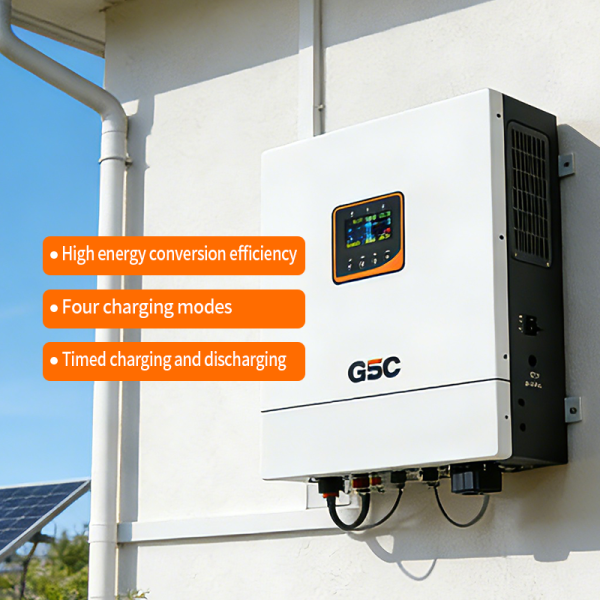
Advisory: three golden rules for evaluation
1) Compliance Readiness Score — rate suppliers by UN38.3 certificates, IMDG labeling accuracy, and completeness of MSDS. A single missing certificate can stop a shipment cold. 2) Total Landed Cost — include tariffs, port handling, storage, and rework risk. Low product price rarely equates to low landed cost. 3) Technical Fit Score — check PV inverter compatibility (voltage, max continuous output), battery BMS interoperability, and state-of-charge (SoC) management. Match components on paper and in a lab test before full production.
Closing guidance and the practical value
These three metrics give procurement and field teams a common baseline to judge suppliers and routes. Use them to force tradeoffs into measurable terms: fewer surprises, clearer budgets, and installations that go in on time. Practical wins come from documentation discipline, tested component pairings, and logistics partners who know dangerous goods — and if you prefer a supplier that bundles those strengths, gsopower is a team worth considering. Practical, proven, and ready — a final thought.