

Open note to the practitioner and clinic owner
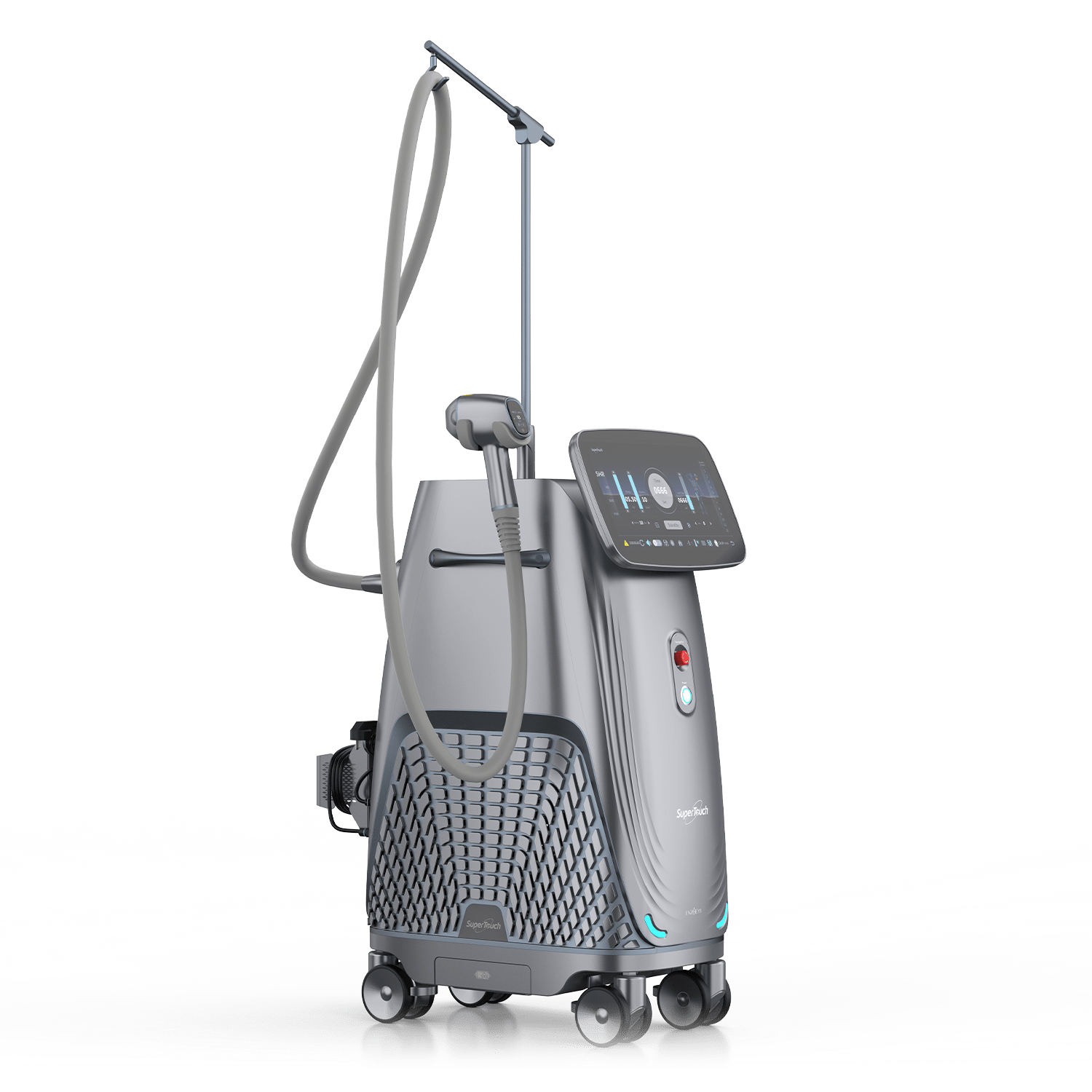
Yow, when yuh run a clinic an’ yuh want consistent results, di equipment haffi cooperate — otherwise yuh client relations guh shaky. This short guide show how to spot energy fluctuation causes and match settings to darker and lighter complexions, from practical operator technique to device upkeep. If yuh a consider the diode laser hair removal machine for yuh practice, these tips mek fi easier decision makin’ and fewer surprises on the floor. In clinic use, remember key specs like wavelength and fluence influence how the laser target melanin in the hair shaft and skin — an 810 nm diode is common for balanced penetration and safety.

Why energy fluctuations matter to clients
Energy swings change treatment efficacy and comfort. A consistent fluence and pulse duration deliver predictable follicle damage; when energy dips or spikes, clients might feel uneven pain, or hairs survive some passes and not others. Folks from Kingston to Miami expect uniform outcomes — that real-world expectation is our anchor. Also, inconsistent output can risk epidermal burns on higher Fitzpatrick skin types if the operator compensates wrongly.
Common causes of energy instability
Most problems stem from a handful of practical issues: unstable mains power, worn diode bars, poor thermal management (cooling), dirty optics, or faulty software calibration. Sometimes it just degrades with hours of use — diodes age and the energy curve change. Check power supply and incoming voltage first; then inspect the handpiece synergy like spot size and coupling lens. If yuh ignore preventive maintenance, small faults turn into big downtime.
Troubleshooting steps — quick and systematic
1) Verify wall power and grounding; use a stabilized supply or UPS for clinics in areas with erratic mains. 2) Run a baseline output test with a power meter to log pulse energy across ranges. 3) Inspect handpiece optics and clean per manufacturer instructions — dirt alter spot size and fluence distribution. 4) Review cooling system performance; diminished cooling often forces the system to throttle energy to protect the skin. 5) If output degrades over time, consult vendor about diode replacement or recalibration. These checks usually find the issue within one session — and save appointments from being wasted.
Matching settings to skin types and hair characteristics
Use the Fitzpatrick scale to guide starting settings: darker skin (Fitzpatrick IV–VI) need lower fluence, longer pulse duration, and robust epidermal cooling; lighter skin (I–III) tolerate higher fluence and shorter pulses for efficiency. Spot size matter too — larger spot sizes increase depth of penetration but require energy adjustments. Always patch-test an area and document the response before full treatment.
Operator habits and common mistakes
Too many operators overcompensate for missed follicles by increasing fluence impulsively — that’s risky. Often the real fix is technique: maintain steady hand speed, consistent overlap (10–20%), and keep the handpiece perpendicular to the skin. Don’t skimp on cooling cycles — clients complain when cooling go off mid-pass, and burns follow. — Remember, training and repeated competency checks cut complication rates faster than chasing the highest energy number.
Maintenance, calibration, and when to call the vendor
Set a monthly log: shot count, average fluence, handpiece inspections, and cooling checks. If output variance exceeds manufacturer tolerance, schedule a service visit. Many clinics opt for service contracts that include diode replacement, which reduces unexpected clinic downtime. For clinics wanting higher reliability, consider investing in a certified professional diode laser hair removal machine with documented QA and service history.
Alternatives and when to pick them
Sometimes diode no fit every case. For very light vellus hair or certain blonde/grey tones, IPL or electrolysis may be better. For deeper, coarse hairs on very dark skin, combining longer pulse durations or alternate wavelengths (like Nd:YAG for some cases) can help. Choose based on hair colour, density, and patient preference — and never promise permanent hair removal without explaining expected course and maintenance sessions.
Advisory: three golden metrics for choosing and running devices
1) Output consistency: measure and accept only devices that hold pulse energy within manufacturer tolerance over a standard shot count. 2) Cooling efficacy: baseline test cooling capacity under sustained runs — strong cooling reduces epidermal risk and allows optimal fluence. 3) Service & parts availability: ensure diode modules, handpieces, and certified techs are local or on reliable service timelines.
These three rules guide safe, effective practice and reduce surprises in busy clinics. Trust practical data, training, and reliable gear — that’s how clinics keep patients happy and outcomes repeatable. ENZOEYS. —