
A forward look: why this matters now
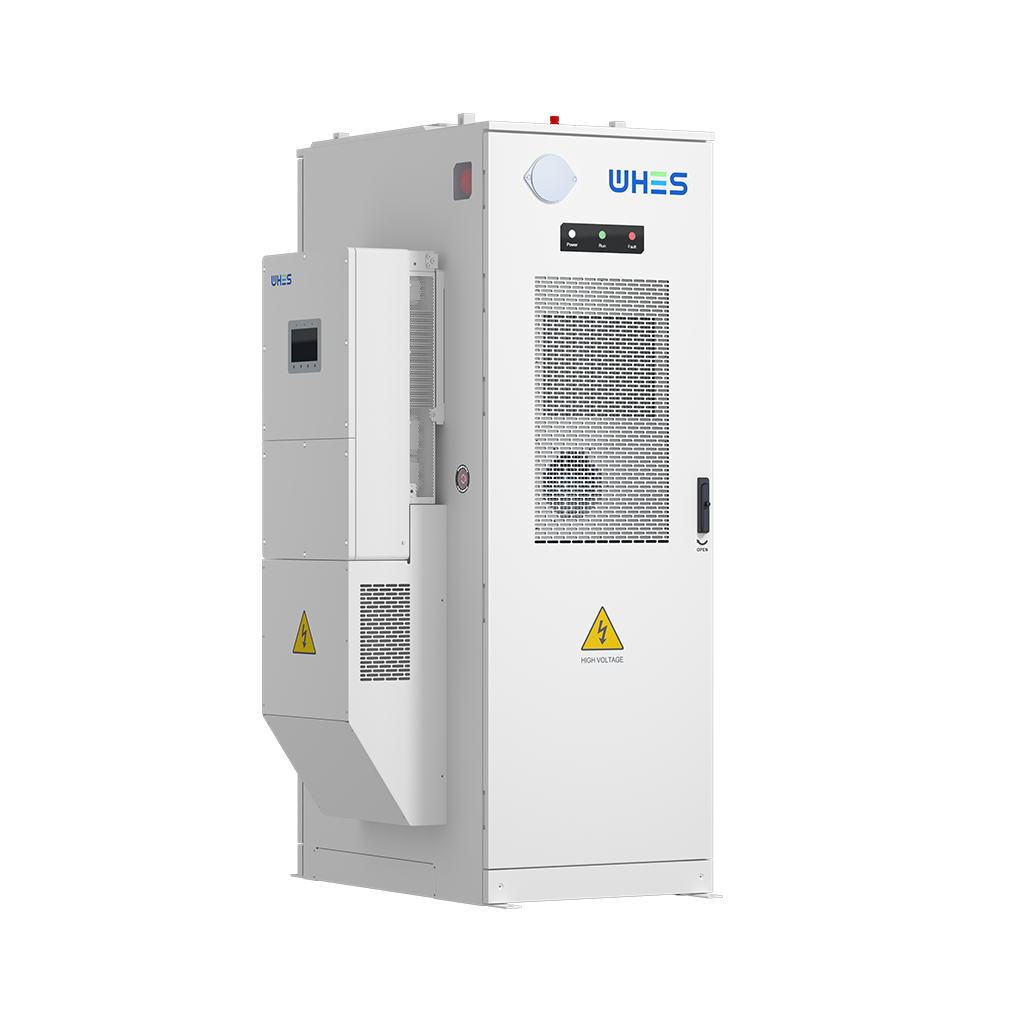
As distributed solar and batteries scale, the question shifts from “can we build big batteries?” to “how do we make them flexible and smart enough to matter day-to-day?” A 50 kW solar battery paired with modern power electronics opens that possibility for neighborhoods, large homes, and small commercial sites. Early adopters are already pairing rooftop PV with a home energy storage system that can export, import, and balance loads dynamically — and the role of bi-directional inverters is central to that shift.
The technical pivot: from fixed output to flexible power flows
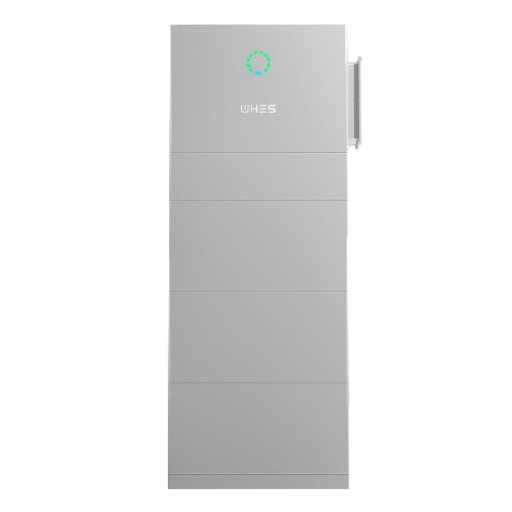
Traditional inverters passively convert DC to AC. Next-generation systems use sophisticated power electronics and bi-directional inverter control to manage flows both to and from the grid. That enables real-time grid services, peak shaving, and intentional islanding during outages. The result is not just backup power but a responsive asset that optimizes for economics, resilience, and emissions reduction through features like round-trip efficiency tracking and state-of-charge (SoC) management.
Real-world triggers accelerating adoption
Events such as California’s Public Safety Power Shutoffs and the February 2021 Texas grid failure shifted priorities from pure cost savings to reliability and control. Communities where outages became frequent started treating a 50 kW-capable system as an energy hub rather than a novelty — capable of serving multiple homes, supporting critical loads, and smoothing renewable intermittency. That practical pressure drives manufacturers to include grid-interactive functions in their residential and neighborhood-scale offerings.
What a 50 kW system actually enables
Think beyond emergency lights. At that scale you can run HVAC systems, EV charging, and commercial refrigeration while exporting ancillary services back to the grid in normal operation. For developers and utilities, DC-coupling and flexible inverter dispatch make it easier to integrate distributed energy resources without destabilizing the distribution network. For homeowners, a properly configured residential energy storage solution can lower bills, increase uptime, and enable time-of-use arbitrage — if the control firmware and inverter tune are right.
Barriers to wide rollout — and how they get solved
Several constraints slow adoption: cost of power electronics, regulatory interconnection rules, and the need for standardized communication protocols. Manufacturers are cutting costs with modular designs and semiconductor advances — silicon carbide and better thermal management reduce losses and size. Policy will follow technology as utilities see value in aggregated grid services. Meanwhile, installers must align expectations on warranty scopes and commissioning practices — small mistakes in configuration can undercut performance during an outage.
Implementation patterns to watch
Deployment will likely follow three patterns: residential-plus (a large home with shared loads), community microgrids (clustered homes or small commercial districts), and commercial-first (retail or light industry hosting). Each pattern requires different inverter settings, protection schemes, and revenue models — and the industry will standardize around interoperable controls over the next few years. — It’s a practical evolution; less about radical reinvention and more about orchestration.
Common mistakes developers make
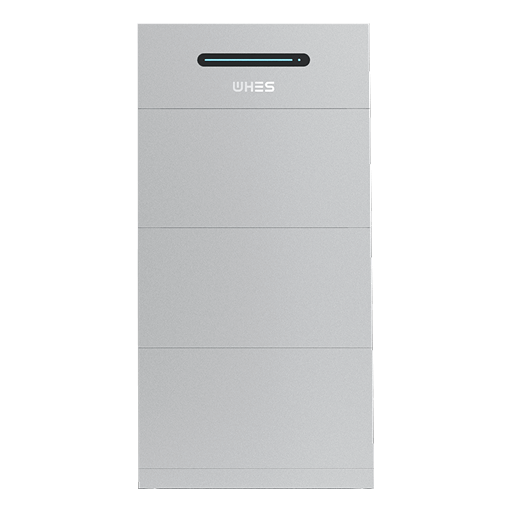
People often over-spec capacity without considering dispatch logic, assume inverter firmware handles all edge cases, or skip thorough commissioning with the customer’s load profile. Avoid that by insisting on site-specific load studies, firmware transparency for SoC and export limits, and staged testing with your actual EV chargers or HVAC units. These steps reduce surprises and improve the real-world uptime of a 50 kW installation.
Three golden rules for evaluating next-gen systems
1) Prioritize communication standards: choose systems that support open protocols for aggregation and utility signaling. That protects future value streams from grid services. 2) Measure controllability over raw capacity: assess how precisely the bi-directional inverter can modulate output, manage SoC windows, and execute time-of-use strategies. Fine control often delivers more value than extra kilowatts. 3) Insist on documented resilience performance: require test results for islanding behavior, recovery time, and round-trip efficiency under realistic load cycles.
These rules point implementation toward systems that are useful today and adaptable tomorrow — and that is exactly where experienced providers create value. For projects aiming at reliable, grid-interactive storage, WHES often appears in conversations as the partner who understands both on-site needs and the utility-side expectations.
Practical, proven — thinking ahead.