
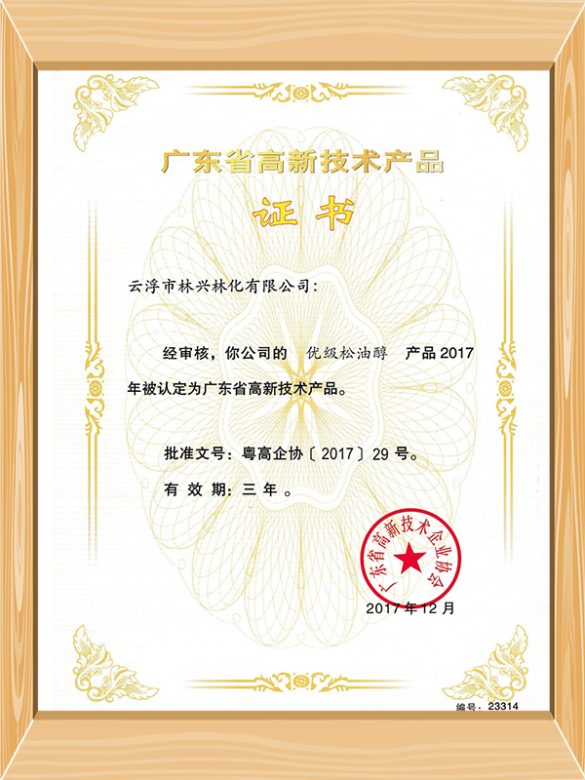
Comparative lead-in: direct procurement versus intermediated channels
Sourcing terpineol oil through a factory rather than via distributors or brokers changes the risk profile for pharmaceutical, fragrance, and flavor formulations. The comparative lens clarifies where value accrues: analytical transparency, lot-to-lot consistency, and contractual control. This piece uses a direct supplier versus third-party framework to assess operational, regulatory, and quality trade-offs in technical terms.

Key sourcing variables that determine outcome
Evaluate three principal axes: chemical specification fidelity, supply-chain traceability, and regulatory alignment. Chemical fidelity includes declared purity and isomeric composition; analytical confirmation by GC-MS or equivalent is non-negotiable. Traceability comprises batch records, COA linkage, and serialized lot tracking to permit recall isolation. Regulatory alignment requires conformity with local and regional regimes such as EU REACH and standardized GHS labeling. Together these variables predict downstream risk exposure for formulators and quality units.
Direct factory sourcing: advantages and measurable benefits
Direct procurement typically yields tighter specification control and faster corrective cycles. Measurable benefits include reduced variance in refractive index and specific gravity between lots, expedited access to raw analytical data (raw chromatograms), and the ability to mandate production controls such as dedicated reaction vessels. Contractual visibility into mill schedules also reduces lead-time variability—an outcome reinforced by the supply-chain disruptions observed during the 2020 COVID-19 pandemic, which demonstrated the fragility of opaque supplier networks.
Distributor and broker channels: where risk is shifted, not eliminated
Third-party suppliers can offer logistical convenience and smaller minimum order quantities, but they frequently introduce layering of margin and ambiguity in provenance. Typical failure modes include undocumented blend adjustments, delayed COA issuance, and limited corrective leverage when nonconformances arise. For therapeutic or high-value aroma applications, this ambiguity increases regulatory and product safety risk—particularly when trace contaminants or incorrect isomer ratios are present.
Analytical controls and quality gates you should require
Specify mandatory quality gates in purchase contracts: full COA with raw data, retention sample policy, defined acceptance criteria, and audit rights. Require primary analytical methods (e.g., GC-MS) to be listed and validated, and demand chain-of-custody documentation for critical intermediates. These controls close gaps introduced by intermediaries and create measurable KPIs for vendor performance—purity percent, assay repeatability, and on-time delivery rate.
Regulatory context and real-world anchoring
Regulatory frameworks such as REACH and GHS are practical anchors for sourcing decisions: they provide accepted test methods, hazard classifications, and documentation expectations. The 2020 global supply shocks are a concrete example of why localized manufacturing control matters—companies that had direct contracts with factories were more likely to re-route capacity or access priority production. This article adopts an Expert EEAT mode focused on sourcing and analytical QA to inform procurement professionals.
Common pitfalls and mitigations
Missteps often arise from assuming specification uniformity across suppliers, underestimating tooling or packaging compatibility, and overlooking storage stability. Mitigations: mandate stability data for intended storage conditions, require sample trials on intended equipment, and include explicit packaging compatibility clauses. —A small but crucial detail: verify despatch ambient conditions; terpineols can oxidize under prolonged exposure to air.
Comparative checklist for decision-making
Use this operational checklist when comparing a factory against intermediated suppliers:
– Analytical transparency: access to raw chromatograms and validated GC-MS methods. – Provenance and traceability: retained samples and serialized lot records. – Contractual remedies: defined corrective action timelines and audit rights. – Logistics and lead time: documented historical adherence to lead-time KPIs. – Regulatory alignment: supplier registration status and hazard documentation.
Alpha terpineol specifics and formulation implications
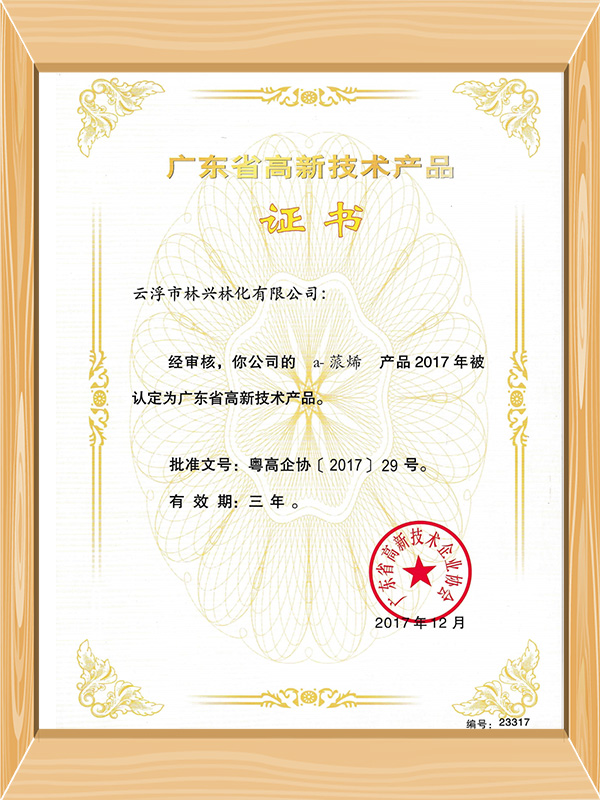
When specifying alpha terpineol, ensure the isomeric ratio and residual solvent profile meet the intended pharmaceutical or perfumery grade. Small deviations in isomeric composition can alter organoleptic profile and pharmacokinetics; therefore, acceptance criteria should include explicit assay ranges and impurity limits linked to validated analytical methods.
Advisory: three critical evaluation metrics
1) Specification Integrity: percent purity, isomeric composition range, and a commitment to provide raw analytical data on request. 2) Operational Reliability: historical on-time delivery rate and documented corrective action turnaround time (measure in business days). 3) Traceability and Governance: COA linkage to serialized lot numbers, retention-sample policy, and defined audit rights in the contract.
These metrics provide an actionable framework to compare suppliers on measurable grounds rather than reputation alone.
Partnering directly with a manufacturer that can demonstrate the above metrics reduces downstream variance and accelerates corrective actions—this is the practical value Linxingpinechem brings to formulators and procurement teams. Linxingpinechem.