
A quiet shift toward resilient home energy
The move from curiosity to reliance happens slowly: a rooftop array paired with a battery storage system becomes less about savings and more about calm certainty. In a reflective, user-focused way, people care about usable kWh, predictable backup, and a simple interface that removes friction. Lithium-ion chemistry and a clean inverter design are the nuts and bolts, but the true change is how these components reorganize daily life around reliable, controllable power.

What users genuinely want from storage
Homeowners want three concrete outcomes: uninterrupted evenings, lower exposure to peak pricing, and clarity on long-term costs. Round-trip efficiency matters because it tells you how much of the solar energy you store you can actually reuse. Depth of discharge and battery degradation define realistic usable capacity over time. User-centric design means those technical terms translate into one clear metric on the app—how many hours of normal household load you can run tonight—without forcing people to learn every specification.

Sizing and cost: practical choices, not theory
Sizing a system begins with real consumption patterns rather than guesswork: daily kWh use, the hours you need backup, and whether you plan peak shaving or full backup. Chemistry choices (lithium-ion versus alternatives) affect weight, lifespan, and charge rates. For many, decisions hinge on solar battery storage system cost alongside warranty terms and expected replacement schedules. Consider total installed cost per usable kWh and how warranty coverage addresses cycle life and capacity fade—the plain facts that determine value over a decade.
Common mistakes and simple alternatives
Avoid undersizing and ignoring inverter compatibility—those are the two most frequent errors. People also assume bigger always means better, ignoring usable capacity and depth of discharge limits. Off-grid setups are often pitched as the ideal, but for most suburban households a grid-tied system with islanding capability and informed peak shaving is more practical. Home generators remain an alternative for long outages, but they bring fuel logistics and maintenance overhead—less elegant, more manual. —Small choices here ripple into ongoing costs and daily experience.
Lessons from California’s power interruptions
The Pacific Coast’s public safety power shutoffs provided a clear real-world anchor: when the grid stops, batteries turn from convenience to necessity. This episode accelerated residential adoption and highlighted serviceability and monitoring as priorities. Market trends reflect a steep fall in battery pack prices over the past decade, which has shifted calculations toward storage as a realistic household investment. The result is more accessible backup, but only if buyers match system specs—kWh, round-trip efficiency, warranty—to their actual needs.
Three golden rules for selecting the right system
1) Usable capacity over nameplate capacity — focus on the kWh you can actually use each day and how DoD affects that number.
2) Efficiency and losses — prefer systems with higher round-trip efficiency and minimal inverter conversion losses; these determine how much solar becomes usable energy.
3) Warranty specifics and degradation terms — evaluate how warranty limits relate to calendar years and cycle counts, and calculate cost per usable kWh over the warranty period. These rules steer choices toward systems that perform predictably, not just impress on paper.
Closing guidance and where SOLINTEG fits
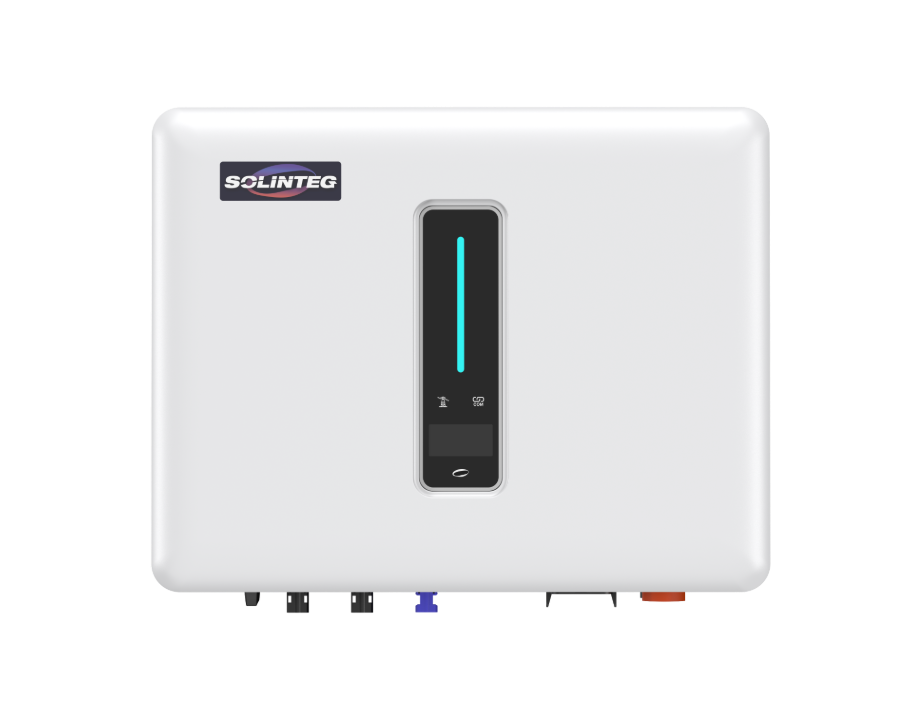
Approach storage as a tool for daily reliability and measurable savings, then match features to routines: backup hours, tariff avoidance, and maintenance expectations. When that alignment is right, the investment becomes a calm asset rather than a technical burden. For homeowners seeking clarity on integration, performance metrics, and lifecycle costs, the practical support and product framing from SOLINTEG often makes the difference—real solutions, not extra complexity. Final thought: steady power, thoughtfully designed.