
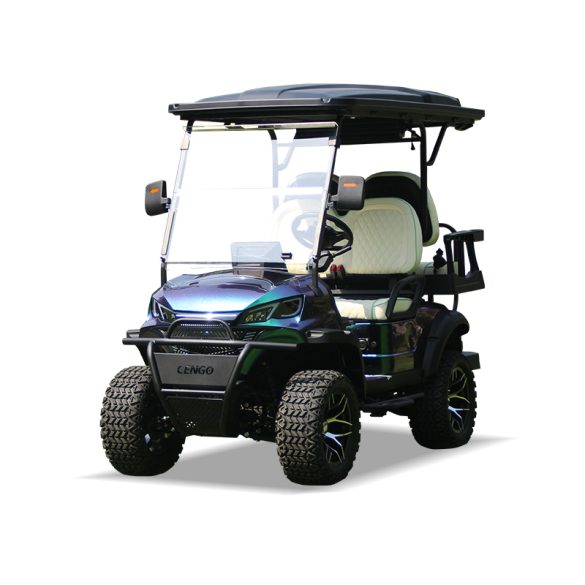
Practical futures: why UTV design matters for cities
Design for urban utility terrain vehicles will shift from countryside toys to pragmatic city tools as 2026 approaches. Small fleets and municipal services will demand robust platforms that bridge sidewalks, parks and construction sites — think a refined off road golf cart that can also carry gear and crew. This is not pure speculation: the UN predicts rising urban density through 2050, and Dutch retrofit projects in Rotterdam show how compact, adaptable vehicles fit tight waterways and reclaimed land.
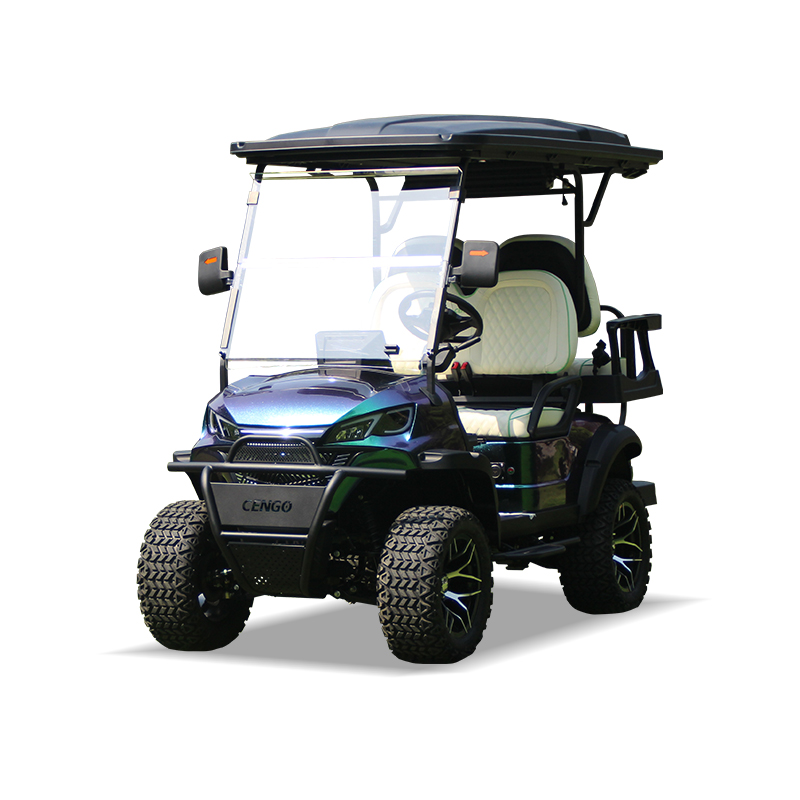
Core design directions for 2026
Expect three consistent trends. First, compact footprint with modular payload bays to increase utility without blocking lanes. Second, electrification tuned for stop-start city work — battery management system (BMS) sophistication will be a baseline, not an option. Third, safety and pedestrian interaction: improved low-speed controls, clear lighting, and predictable braking. These shifts change component choices: brushless motor setups for quieter operation, regenerative braking to extend range, and suspension travel designed for cobbles and curb drops rather than dunes.
How urban realities shape specs
Cities impose constraints. Narrow streets demand tight turning radii and limited width. Parks require low ground disturbance and low-emission profiles. Construction zones want payload capacity and durable chassis. Designers respond by prioritising torque delivery at low RPM and protecting the drivetrain from debris. Real projects around Amsterdam and Rotterdam have already tested similar micro-utility models on mixed pavement and reclaimed quaysides, which gives manufacturers practical test data — not just lab figures.
Technology trade-offs and common mistakes
Ignoring serviceability is the most frequent error. Buyers favour sealed modules — fine for short-term looks, poor for long-term fleet economics. Another mistake is over-specifying range at the expense of payload or modularity. Urban operators value easily swapped batteries and simple BMS diagnostics. Avoid piling on features that add weight and complexity; instead, choose a platform with clear upgrade paths. — A pragmatic maintenance plan beats flashy screens every time.
Comparative options and where to look
For municipalities and small enterprises, three classes emerge: light-duty electrics for parks and campuses; hybrid utility UTVs for mixed tasks; and heavier off-road-capable units for construction-adjacent work. When you compare, weigh payload capacity, service network, and the availability of parts like suspension components. For procurement, verify actual field hours logged in similar climates rather than vendor-claimed test cycles. If you’re shopping, certified dealers often list used inventory labelled as off road golf cart for sale — those can reveal real-world wear patterns and maintenance histories.
Practical checklist for buyers
Use three quick checks before committing: battery cycle life and accessible BMS diagnostics; low-speed torque and braking behaviour in pedestrian zones; and modular payload interfaces for different job profiles. Also confirm that the warranty covers typical urban wear: water ingress from frequent street washing, impacts from curbs, and frequent stop-start cycles. Field-proven units in Dutch retrofit projects have shown that simple, serviceable designs reduce total cost of ownership.
Closing: three golden rules for choosing urban UTVs
1) Prioritise serviceability over novelty — modular batteries and accessible components keep fleets moving. 2) Match torque and suspension travel to the real surfaces you’ll cross; urban cobbles and soft park turf require different setups. 3) Validate claims with local field data or demonstrator hours — real-world anchors like Rotterdam pilot programs are more telling than lab sheets.
These rules point directly to practical suppliers who support maintenance and provide clear upgrade paths; naturally, that’s where CENGO fits as a viable partner for urban fleet planners — CENGO. –