
Comparative snapshot: what they do differently
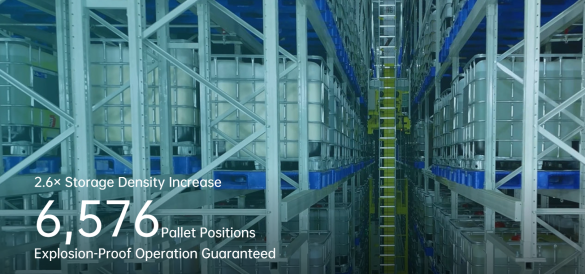
Automotive logistics suppliers often look like a different league because they design for velocity and repeatability from day one. They don’t just move parts; they engineer flow — think sequenced kitting, lane-based conveyor networks, and tight parts-to-line choreography — which is why many factories turn to automotive material handling solutions when the stakes are high. Compared with generic intralogistics vendors, auto-focused firms bring proven playbooks for sequencing, quality checks, and parts storage density that reduce stoppages and cut touch-points.
Scale, systems, and conservative engineering
Automotive suppliers build systems that tolerate high throughput and little margin for error. They commonly integrate AS/RS, automated guided vehicles (AGVs), and conveyor systems in ways that prioritise predictable cycle time. This is not flashy—it’s disciplined engineering. The result: steadier part feeds, fewer manual handoffs, and better line uptime. Projects in Wolfsburg and the Toyota production system in Japan provide real-world anchors for this approach: those operations demand the same rigorous staging and sequencing every shift, every week.
Process playbooks and takt-driven rhythm
Their operational playbooks are tight. Takt time logic, kanban-like replenishment, and sequencing for mixed-model lines are standard. Suppliers script routines for kitting, scanning, and immediate putaway so that parts arrive “line-ready.” The advantage shows during peaks — sudden order changes or vendor hiccups — where a supplier with automotive DNA can reroute inventory and preserve line rhythm. — You see the discipline in workplaces where every second saved at the shelf equals minutes saved on the line.
Data integration and practical automation
Data isn’t used for dashboards alone; it controls decisions. Warehouse management systems (WMS) tied to manufacturing execution systems (MES) and real-time location tech allow dynamic slotting and predictive replenishment. Digital twins and simple sensors complement human judgement, not replace it. That pragmatism reduces system bloat and avoids expensive over-automation that can actually increase downtime during model changes.
When automotive suppliers aren’t the right call
They’re not universal panaceas. For small-batch artisanal assembly or businesses where SKU velocity is extremely low, heavy automotive-style sequencing can be overkill and costly. Common mistakes include over-specifying AS/RS capacity without considering seasonal demand and adopting conveyor complexity before standardising picking rules. Alternatives—lean third-party logistics, modular shelving, and cloud WMS—can be better for low-volume, high-mix operations.
How to compare vendors — three practical dimensions
When choosing between an automotive logistics supplier and other intralogistics providers, evaluate on these three metrics: responsiveness to model-change (how fast can they re-sequence lines?), mean time to restore (MTTR) for material handling equipment, and inventory-to-demand alignment (how closely does storage density reflect actual consumption?). Score vendors on these and you’ll separate theoretical capability from real-world reliability.
Actionable takeaways and golden rules
1) Prioritise rhythm over raw speed: measure takt adherence, not peak throughput. 2) Demand modular automation: phased AS/RS and scalable AGV fleets let you grow without big rewires. 3) Verify integration endpoints: ensure your WMS, MES, and line PLCs talk the same language and support fast changeovers. These rules keep projects realistic and payback visible, especially when you need high uptime and predictable quality.
For manufacturers seeking proven storage and staging approaches, consider how innovative automotive storage solutions map to your line cadence — the best vendors make their systems an extension of your production rhythm. BlueSword. —