
The problem: uneven air, wasted energy, and complacent choices
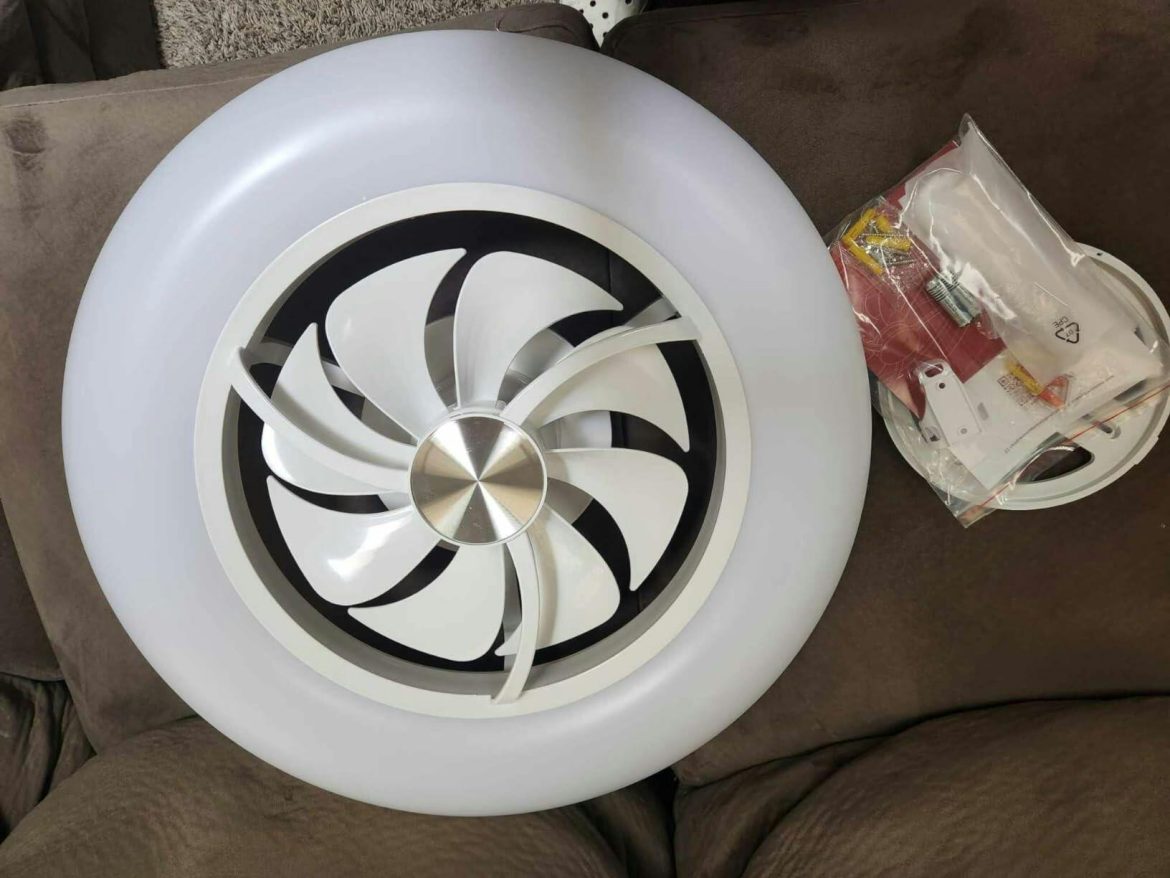
Buildings leak comfort and money when air simply doesn’t move. Offices and homes face stratification, dead zones, and HVAC systems that cycle harder than necessary—resulting in higher utility bills and frustrated occupants. The fix is straightforward in principle: increase air mixing to reduce perceived temperature gradients and lower HVAC load. Stakeholders should seriously consider a modern smart ceiling fan with light as a first-line, low‑cost intervention. Energy Star guidance even suggests that effective ceiling‑fan use can let occupants raise thermostat settings by several degrees without sacrificing comfort—an outcome that translates directly to measurable energy savings.
Why a problem‑driven approach changes decisions
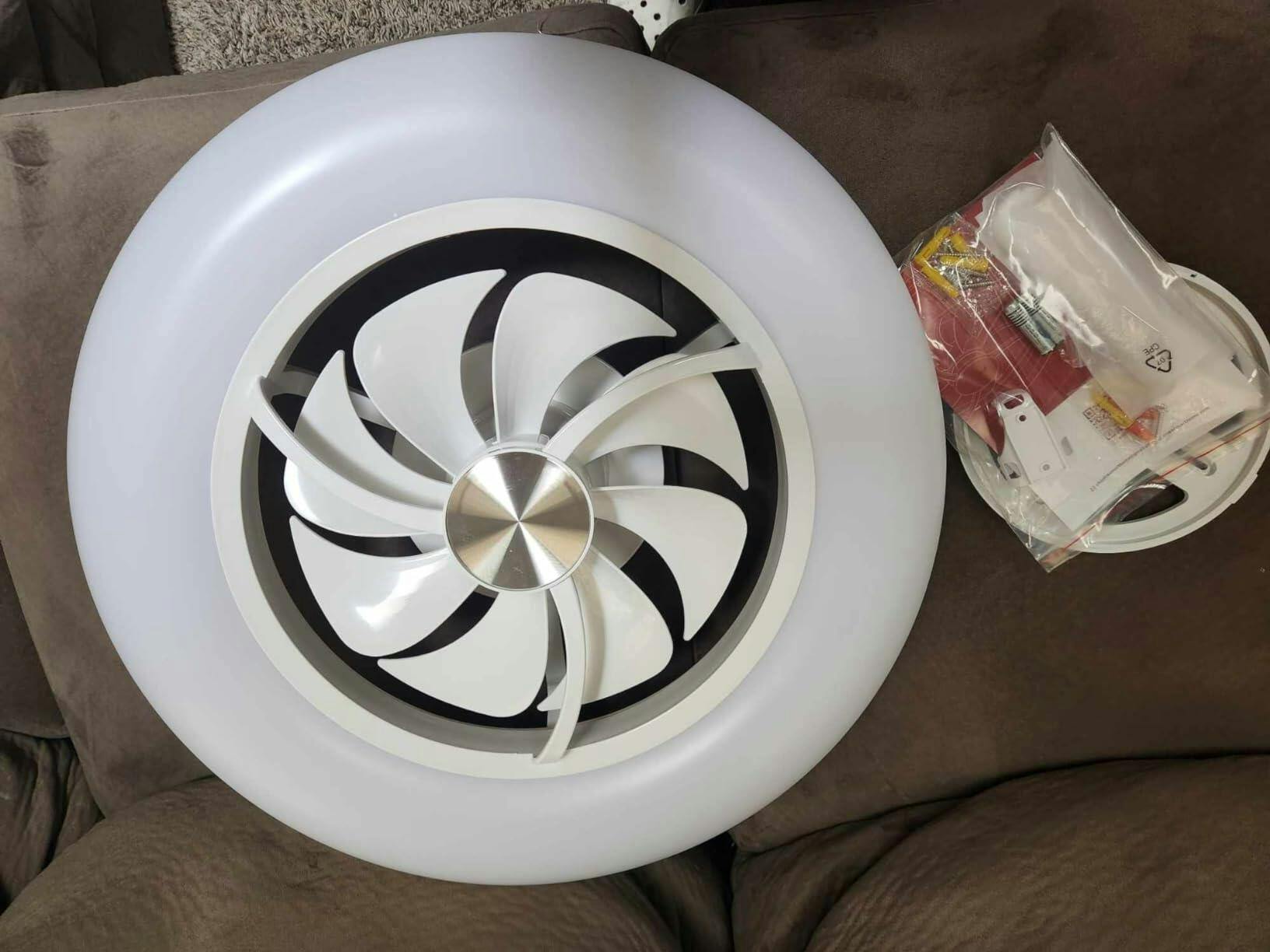
This isn’t about gadget lust; it’s about prioritized mitigation. When you evaluate ventilation and thermal comfort, the correct sequence is: diagnose the circulation failure, quantify its impact, and deploy the least disruptive corrective measure. A ceiling fan addresses air velocity and mixing (measured in CFM), balances temperature layers, and—if integrated with lighting and controls—reduces the need for additional fixtures. For building managers and policy makers, that sequence preserves capital expenditure for when mechanical ventilation retrofits are unavoidable.
Core technical levers that matter
Focus on three technical elements that determine performance: motor efficiency (DC vs. AC), blade pitch and diameter (which set CFM and airflow pattern), and control interoperability (scheduling, occupancy sensors, and smart hubs). A high‑efficiency motor with proper blade pitch delivers more airflow at lower RPM, which keeps noise down and efficiency up. The downrod length and canopy placement also affect room air circulation patterns—details often overlooked in procurement specs.
Comparing options: quick toolkit for decision‑makers
Not all fans are equal. When you’re sizing solutions, weigh these paths:
- High‑efficiency ceiling fans with integrated lighting: Low disruption, immediate comfort gains, and potential thermostat setbacks. Good for occupied retrofits.
- HVAC balancing and diffuser reconfiguration: More permanent, but costlier and disruptive; best when ventilation capacity is the core issue.
- HVLS (high‑volume, low‑speed) fans for large spaces: Excellent for warehouses, but overkill in standard residential or office areas.
- Supplementary portable air movers: Cheap and fast, but noisy and less energy‑efficient long term.
Each choice answers a policy trade‑off: cost now versus capacity later. If your priority is rapid, scalable comfort improvement with modest capital—choose the ceiling fan route. If you’re fixing system‑level ventilation inadequacy, pair fans with HVAC upgrades.
Common procurement mistakes—and how to avoid them
Teams repeatedly stumble on scope and specs. They buy fans by aesthetic, ignore blade pitch and motor type, or fail to mandate interoperability with building automation. Don’t let cosmetic choices override functional requirements. Specify motor efficiency ratings, minimum lumen output and correlated color temperature (CCT) for integrated lighting, and confirm canopy and downrod compatibility with your ceiling heights. Also insist on field‑testing with actual occupancy patterns—samples on a bench won’t reveal how the device performs in a furnished room.
Smart features that change the calculus
Smart controls turn a fan from a passive device into an active energy manager. Integration with occupancy sensors, schedules, and thermostats allows automatic setback of HVAC loads. A fan linked to a smart hub can run at lower RPMs of longer duration for better mixing without perceived draft—this uses motor efficiency intelligently. When comparing products, test the app, latency, and ability to join existing ecosystems; poor interoperability will erode real‑world gains over time. —
Evidence and a real‑world anchor
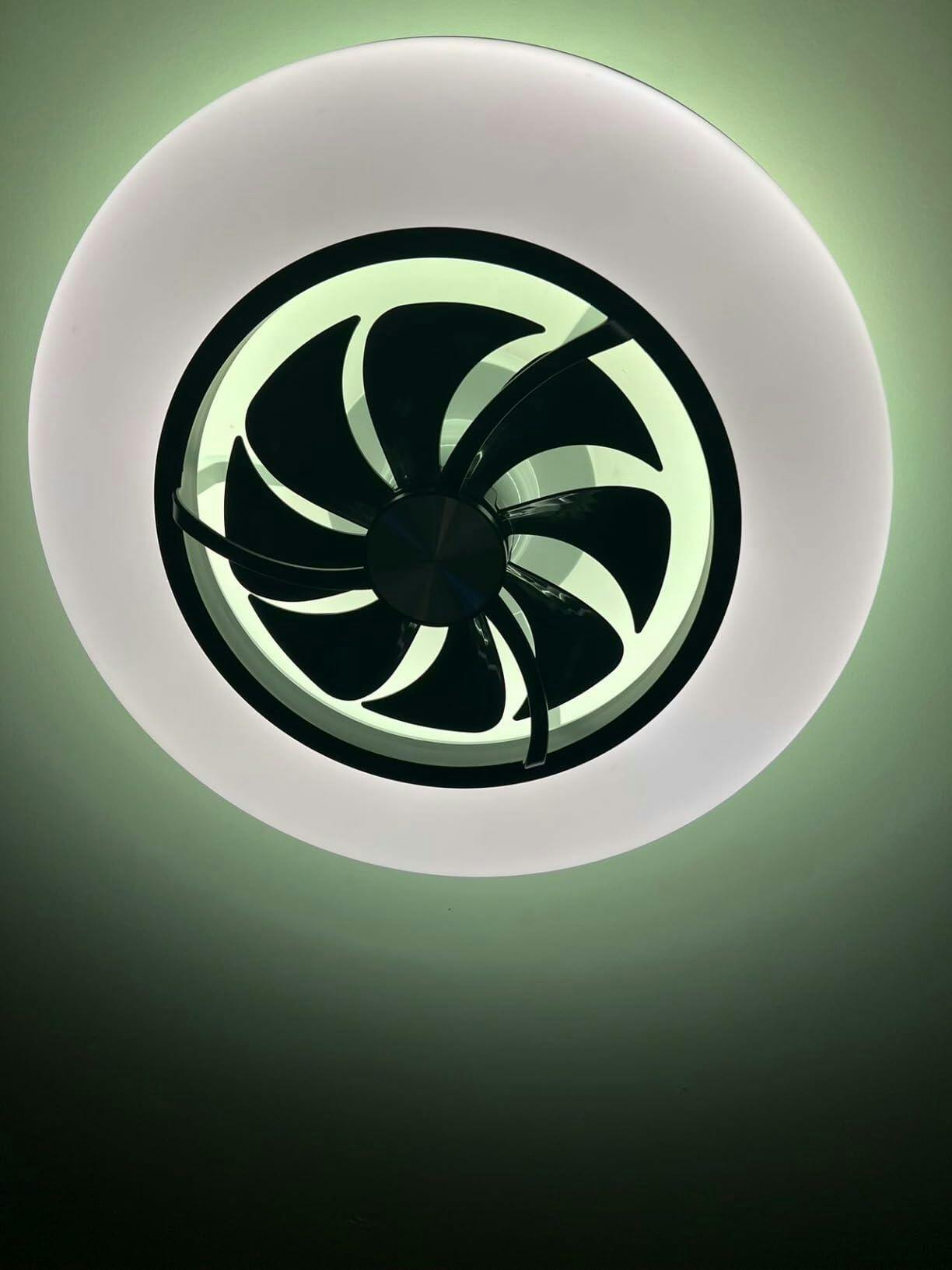
Look to standards and guidance: ASHRAE and Energy Star emphasize air movement for thermal comfort and energy efficiency. Operational pilots in municipal buildings that implemented controlled fan strategies reported reduced HVAC cycling and improved occupant satisfaction—practical confirmation that better air mixing yields measurable results. If you want a concrete target, aim for fan configurations that deliver room‑appropriate CFM while keeping sound under occupant‑friendly thresholds.
Alternatives and trade‑offs
Sometimes a ceiling fan isn’t the right tool. In spaces with inadequate ventilation rates or contaminated air, the priority is enhanced mechanical ventilation or air cleaning. In large industrial volumes, HVLS fans outperform domestic units. But for most conditioned residential and office spaces, a properly specified ceiling fan with smart light offers the best cost‑to‑benefit ratio—fast deployment, measurable energy savings, and improved occupant comfort.
Advisory: three golden rules for selecting the right fan
1) Specify performance, not looks: Demand CFM at specified RPM and a clear motor‑efficiency rating (DC preferred for efficiency and dimming stability).
2) Insist on systems compatibility: Require proof of integration with your building controls or common smart hubs, and test occupancy‑based scheduling in situ.
3) Design for the room: Match blade diameter, pitch, and downrod length to ceiling height and room function—avoid one‑size‑fits‑all choices.
Deploying these rules gives you repeatable outcomes: lower HVAC energy use, fewer occupant complaints, and a scalable standard for future projects. For practical, smartly integrated solutions that align with this framework, consider how Orison fits into existing building strategies—it’s a natural extension of a measured, evidence‑led approach.
Bottom line: pick performance, demand interoperability, and measure results—you’re entitled to buildings that work as hard as you do. —