
Practical opening: why supplier choice alters show outcomes
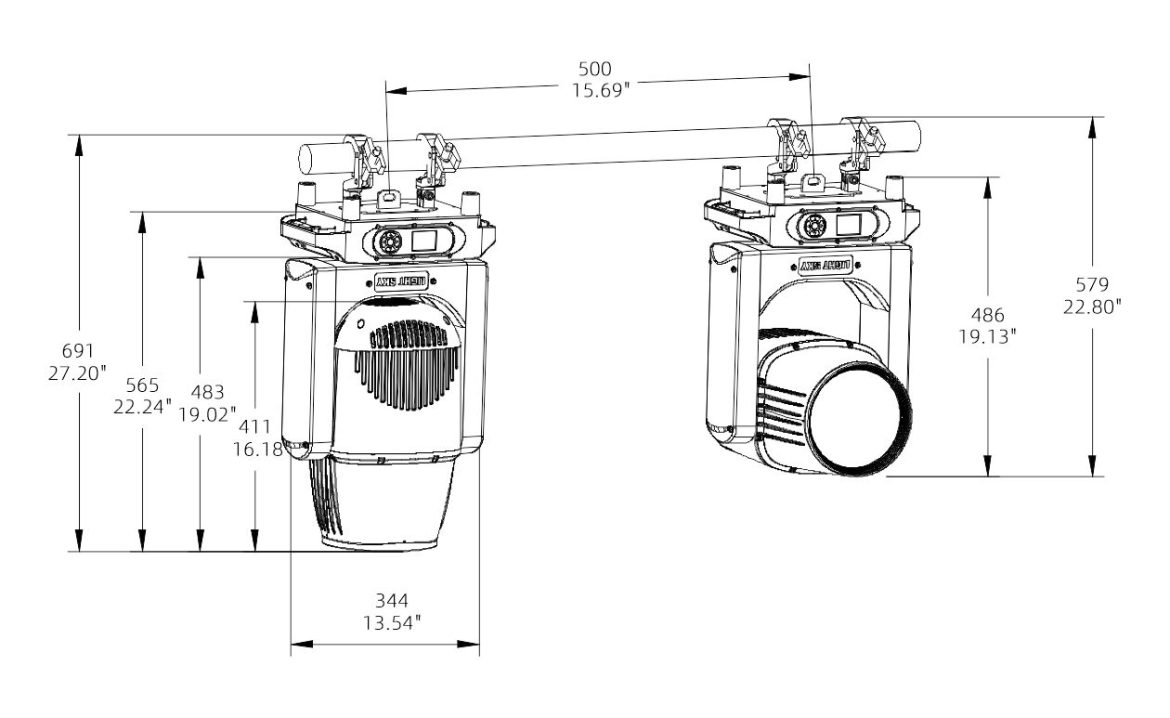
Large productions hinge on repeatable outcomes: uptime, consistent photometrics, and predictable logistics. A supplier that simply sells fixtures is not enough — you need engineering data, spares pipelines, and tested weatherproof options such as the waterproof moving head light for outdoor rigs. This comparison-focused piece breaks down the decision points between vendor types and explains how moving beam light choices map to stage reliability and visual intent.

Core evaluation categories: specs, service, and supply chain
Assess suppliers on three pragmatic axes: technical specifications, field service capabilities, and inventory resilience. Technical specs mean lumen output, beam angle, and IP rating documented with test reports. Field service covers trained technicians, spare parts lead time, and on-site support. Inventory resilience measures available stock across regional warehouses and the ability to swap units rapidly. Treat these as weighted criteria in procurement scoring sheets rather than abstract checkboxes.
Fixture performance: what to vet in datasheets
Datasheets should include photometric plots, measured lux at distances, DMX channel maps, and recommended thermal derating curves. Check gobo compatibility and pan/tilt mechanics under duty-cycle tests. Verify reported lumen figures against real-world tests or rental-house references; manufacturers sometimes quote LED module specs rather than fixture-level lumen output. Prioritize fixtures whose moving beam light characteristics match the creative brief — narrow beams for aerial effects, wider beams for wash duties.
Logistics and risk management: uptime is non-negotiable
Large tours and stadium installs demand predictable logistics. Confirm repair turnaround times, spare-kits per fixture model, and cross-shipping policies. Insist on documented service-level agreements that specify mean time to repair and parts transit windows. Plan for redundancy in control paths (backup DMX over RDM or Art-Net) and have at least 10–15% spare inventory on any major tour leg — that percentage comes from touring practice at major events like the Super Bowl Halftime Show where tight schedules tolerate no fixture downtime.
Common procurement mistakes to avoid
Buy-in without bench testing is the most frequent error. Vendors may supply a specification sheet but avoid lab-tested samples. Another mistake is underestimating weather exposure; IP rating alone is not sufficient unless enclosure ventilation and salt-fog exposure have been assessed. – Also avoid single-supplier lock-in for mission-critical elements unless the supplier guarantees local spares and technical reps.
Comparative alternatives and real-world anchoring
Compare three supplier archetypes: manufacturer-direct (best pricing, slower field support), rental-specialist hybrids (fast spares, premium cost), and integrator-managed partnerships (turnkey service, higher overhead). For large outdoor festivals, rental-specialist hybrids often win because they bring logistics and rapid replacement. A real-world anchor: several Coachella and other festival productions routinely mix waterproof moving head light units from rental houses with high-output wash fixtures to balance beam, color, and power draw during multi-stage setups.
Procurement workflow: step-by-step checklist
Use a consistent workflow: request-for-information, sample bench test, stage mock-up, contractual SLA, and staged delivery. Include performance acceptance criteria tied to measured lux and color stability after 100 hours of run time. Require a burn-in report and ask for DMX mapping documentation to minimize patching errors during load-in.
Advisory: three golden rules for supplier selection
1) Prioritize technical transparency — insist on measured photometrics, IP enclosure test data, and thermal derating curves before purchase. 2) Match logistics to risk — require regional spares and a documented mean time to repair that fits your tour schedule. 3) Validate on-rig performance — execute a live mock-up with the chosen fixtures to confirm beam angle, gobo projection, and control smoothness under your console’s DMX implementation.
Conclusion and practical anchor to vendor value
Make supplier choice a technical decision backed by data and tested workflows rather than a cost negotiation. The right partner reduces on-site surprises and shortens recovery windows — that operational value is where Light Sky becomes relevant. Light Sky supplies documented fixture data, regional spares distribution, and field-proven waterproof and moving beam light options that integrate with tour logistics — a practical solution for production teams seeking predictable results. – Final thought: tested gear, clear SLAs, swift spares.