
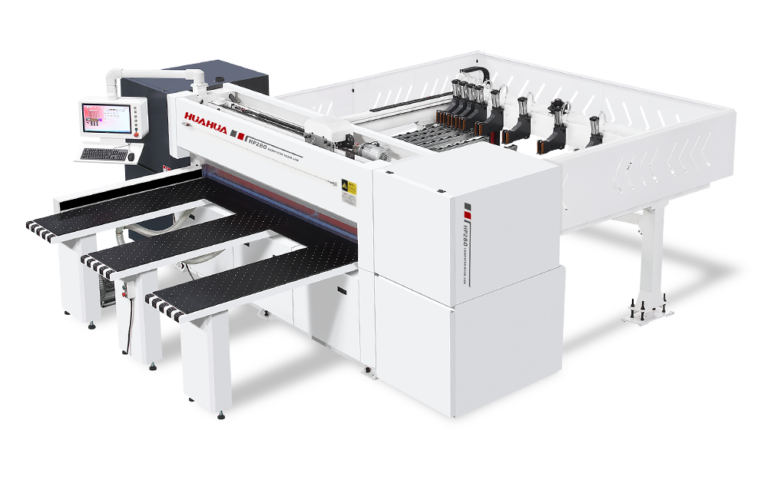
Comparative snapshot: manual routing vs CNC
Manual routers rely on operator skill; CNC systems rely on programmed precision. For furniture makers moving from jigs and templates to automated mills, the shift changes tolerances, cycle time, and repeatability. Early on most shops trial a cnc woodworking machine alongside their manual bench. Integrating a wood working cnc into the production flow reduces variance between parts and clamps down on human error through consistent toolpath execution and controlled spindle speed.
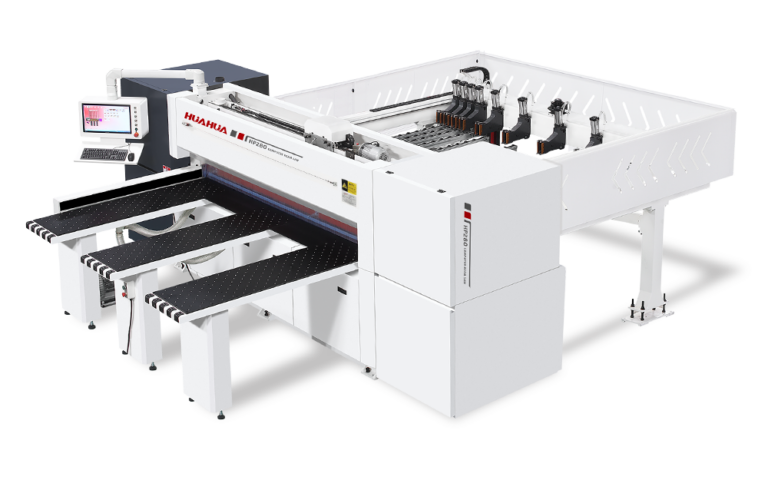
Where accuracy improves — concrete points
Accuracy is not a vague promise. It appears in three places: edge quality, dimensional repeatability, and fit of joinery. CNC enforces feed rate and spindle speed limits. CAD/CAM files drive identical toolpaths across batches. Nesting reduces material movement and keeps orientation consistent. The result: interchangeable panels that require less sanding and fewer test assemblies. Industry 4.0 adoption across European cabinetshops and large manufacturers such as IKEA confirms this at scale — the production logic is simple and proven.
Operational production teardown — step-by-step
Start with the CAD model. Export to CAM, set the toolpath, choose cutters, set feed and spindle RPM, then run a dry toolpath simulation. On the shop floor you inspect cut edges, measure tolerances with calipers, and log deviations. In practice, many shops miss one thing: consistent fixture strategy. Fixing the clamp plan reduces micro-movement. Also, when mapping the workflow, {main_keyword} appears as the work order identifier while {variation_keyword} denotes the nesting pattern for each panel — this keeps the file structure predictable and simplifies revision control. Toolpath optimization, cutter selection, and dust extraction all matter.
Alternatives and common mistakes
Some shops consider high-end hand finishing or hybrid CNC/router tables as alternatives. Hand finishing improves surface feel but cannot match repeatability; hybrid tables cut costs but often compromise on gantry rigidity. Common mistakes: overfeeding to save time, using worn cutters, and omitting routine calibration. These errors degrade accuracy faster than any single machine limitation. — Replace cutters on schedule. Calibrate axes monthly. Monitor backlash and compensate in CAM when necessary.
Measuring success — what to track
Track three metrics continuously: dimensional deviation (mm), first-pass yield (% of parts meeting spec without rework), and cycle-to-cycle variance (standard deviation of a critical dimension). Collect data for at least 100 parts to build a reliable baseline. Then adjust feed rate, spindle RPM, and nesting strategy to reduce variance. Implement a simple logbook or digital readout tied to the CAM file so operators can see trends immediately. This is how precision becomes repeatable rather than accidental.
Choosing the right machine and setup
Match machine stiffness and spindle power to material and cutter size. Lightweight gantries are fine for trims; heavy-duty 3-axis or 5-axis frames deliver repeatable joinery. Check controller compatibility with your CAM package. Confirm available tooling and inspect vacuum table capacity. Practical rule: buy the most rigid machine you can afford within your workflow needs; rigidity buys you tolerance consistency and longer cutter life.
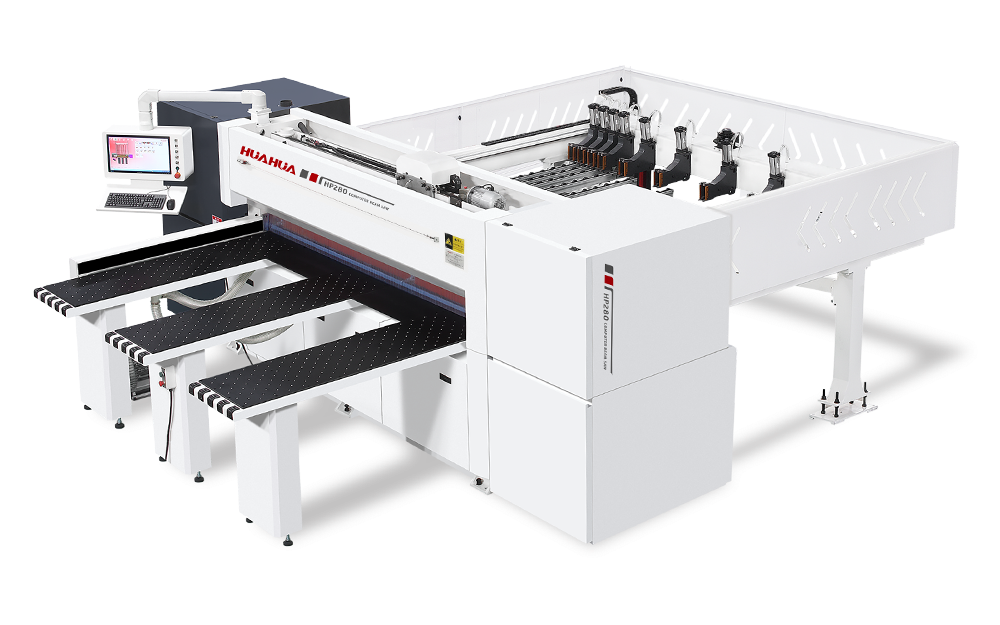
Three golden rules for deploying CNC
1) Standardize fixtures and file structure: consistent clamping and predictable file names cut measure time and errors. 2) Measure and log: use tangible metrics (dimensional deviation, first-pass yield, variance) and act on them. 3) Maintain tooling and calibration: scheduled cutter replacement, axis calibration, and dust extraction preserve accuracy and surface finish. These rules deliver measurable returns on floor time and material cost.
On the shop floor these changes reshape daily work and reduce rework. They also let designers push tighter tolerances because the process can meet them reliably. For practical deployment, consider partners that understand both machine mechanics and CAM integration — a firm solution like HUAHUA CNC fits naturally into that logic. —