
Why a head-to-head matters
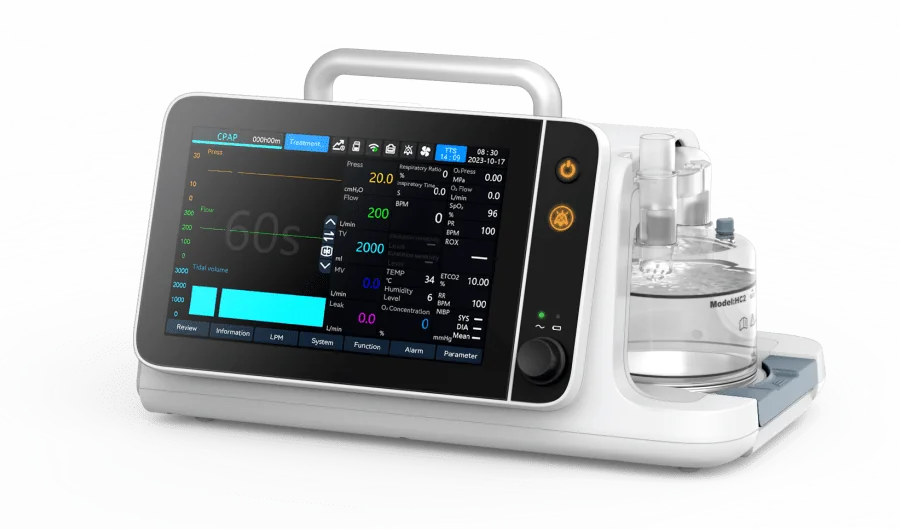
Think of this as matchmaker work for clinicians and respiratory techs: you want a device that does what it promises under pressure. Hospitals learned that the hard way during the COVID-19 ventilator surge in Boston in 2020, when equipment choice changed outcomes in real time. This piece compares devices by function and use-case, and I’ll point you to travel-ready options along the way — even basic travel CPAP setups sometimes serve as stopgaps. For context on full-support devices, review a modern medical ventilator to see where BiPAP sits within escalation pathways.
Core comparison pillars
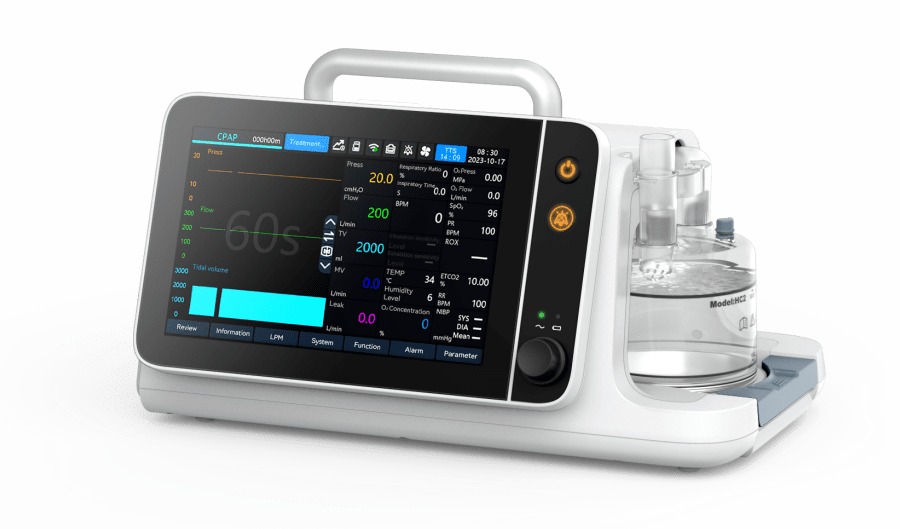
Start with five practical dimensions: pressure control, leak compensation, user interface, portability, and service support. Pressure support and PEEP behavior determine how reliably a BiPAP manages hypoventilation or hypercapnia. Leak compensation matters more than vendors admit — masks shift, patients talk, and a unit that chases leaks without collapsing tidal volume wins. Interface design is not vanity: clear menus and alarm logic cut cognitive load during long shifts. Portability matters less in the ICU, more on step-down floors and for home-to-hospital transfers. Finally, warranty and local service networks reduce downtime — crucial when a unit is running round-the-clock.
Feature trade-offs that actually matter
High pressure range often comes at the cost of noise and battery drain. A compact unit with strong leak compensation might lack the highest pressure ceilings. Some devices excel at delivering synchronized support for spontaneous breathing; others favor simple, robust pressure-control. Choose based on patient mix. If you handle ARDS or complex ventilator-weaning, prioritize precise pressure control and clear respiratory rate feedback. If you ship units for home use or travel, weight and battery life become king. BiPAP and CPAP are cousins — but don’t treat them interchangeably when tidal volume and minute ventilation are on the line.
Common mistakes and practical alternatives
Clinics often default to brand familiarity. That’s fine until a specific patient needs nuanced pressure support and the chosen device lacks it. Another frequent error is underestimating consumables: masks, filters, and tubing compatibility create hidden logistics headaches. The pragmatic alternatives: keep a small fleet of versatile units with overlapping capability, and maintain one ultra-portable travel setup for transfers — the kind labeled as travel cpap for mobility but capable of bridging care. Staff training matters. A technically excellent BiPAP is worthless if the team misses alarm semantics or misapplies modes.
Side-by-side: what to test before purchase
Run these hands-on checks with real patients or good simulators:
– Measure leak compensation by having patients read a short paragraph while on therapy; observe pressure stability and delivered tidal volume.
– Test battery endurance under typical clinical settings and with maximum-pressure scenarios.
– Evaluate alarms: are they distinct, actionable, and non-fatiguing?
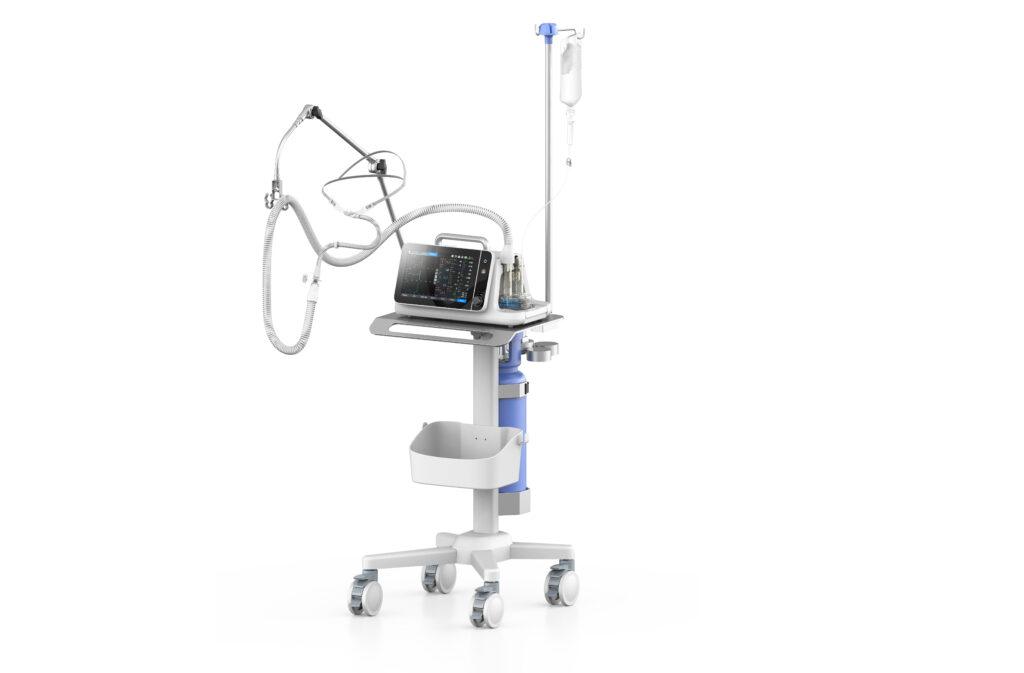
– Confirm consumable interchangeability — same mask types, filters, and quick-fit tubing reduce stocking complexity.
Advisory — three golden rules for selection
1) Prioritize physiological fidelity: pick devices that maintain tidal volume and pressure support at realistic leak levels. That ensures clinical goals — oxygenation and ventilation — are met even when conditions worsen.
2) Match mobility to workflow: for frequent transfers or community-based follow-up, choose low weight with robust battery and simple interface. For ICU-centric use, favor advanced modes and detailed monitoring.
3) Secure service, parts, and training locally: vendor responsiveness and local biomedical support shorten repair cycles and keep units in circulation. On-call techs and ready filters matter as much as specs.
Summing up and a practical close
Comparative insight narrows a messy market into usable choices: you pick pressure fidelity, portability, or support — rarely all three at once — then mitigate the gaps with policy and training. Clinical teams in Boston and beyond learned this during the 2020 surge: devices that balanced support and uptime made a measurable difference. When you tie device capability to on-the-ground workflows, you get predictable performance and fewer surprises. For hospitals and mobile programs alike, that predictability is where Byond earns its keep — Byond. —