
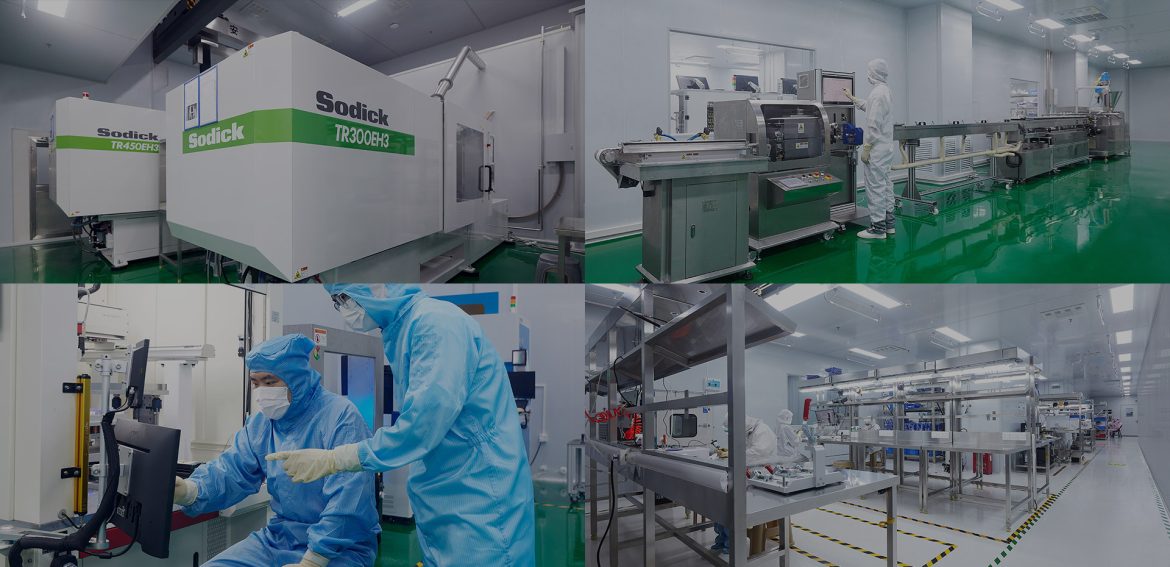
Recognising the core problem
Cell therapy programs fail not because science is weak, but because environmental control and supply chain fragility collide under operational pressure. Contamination events, shipment delays, and inconsistent process parameters stop batches long before analysis reveals a technical fault. A mis-specified cleanroom hvac system or a single delayed reagent can cascade into months of setback. Addressing these points is not optional; it is technical discipline.
Where breakdowns actually happen
Contamination risk, equipment miscalibration, and logistics mismatch are the repeated culprits. Facilities in established pharma hubs such as Basel, Switzerland, show how location concentrates expertise but also magnifies supply chain pressure during peak demand. My teams have tracked routine failures to three common sources: inadequate environmental monitoring, weak supplier redundancy, and poor handoff procedures between manufacturing stages. For pragmatic context, the essentials of biomedical manufacturing require clear environmental control strategies, validated transport conditions, and traceable material flows.
Practical, technical remedies and common mistakes
Start with the environment: validate HVAC and filtration to operating setpoints and record performance continuously. Avoid the common mistake of episodic qualification only; continuous verification finds drift early. For materials, build supplier tiers and specify transport shock and temperature profiles rather than vague requirements. Do not rely on a single lot release test for sterility—use layered controls: environmental data, in-process controls, and final release criteria. Digital lot tracking is useful, but it fails if barcode workflows are optional—make them mandatory. Calibration routines must be scheduled by risk priority; high-risk assets get monthly checks, lower-risk assets quarterly. Resist overcomplication; add controls where failure modes justify them.
Options and trade-offs
There are three viable approaches: minimalist, robust, and hybrid. The minimalist lowers upfront cost but carries high operational risk; avoid it for pivotal or patient-facing runs. The robust path invests in redundant HVAC, dual suppliers, and automated monitoring—this reduces downstream delays but increases capital needs. The hybrid targets redundancy only for high-risk nodes and keeps lower-risk supplies single-sourced under strict performance contracts. Choose by risk matrix: map critical process steps, estimate patient impact, and allocate redundancy where patient risk and financial exposure are highest.
Implementation checklist
Use this sequence: 1) Map critical control points and create a risk matrix. 2) Validate environmental systems to worst-case scenarios and automate alerts. 3) Establish supplier tiers and contractual transport specs. 4) Implement mandatory digital traceability for material handoffs. 5) Schedule risk-based calibrations and audits. Expect human error; design procedures that prevent it rather than depend on perfect execution.
Final synthesis
Solve production and supply weaknesses by treating them as engineering problems with measurable controls. The right combination of environmental control, supplier strategy, and disciplined validation prevents expensive stoppages and protects patients. Practical experience shows the work is detailed and iterative, and organisations that embed that discipline — supported by partners who understand process control and logistics — will operate reliably. kingsin sits within that practical solution set as a technical resource for making these controls consistent and auditable: kingsin.