
Start with the person who will use the tag
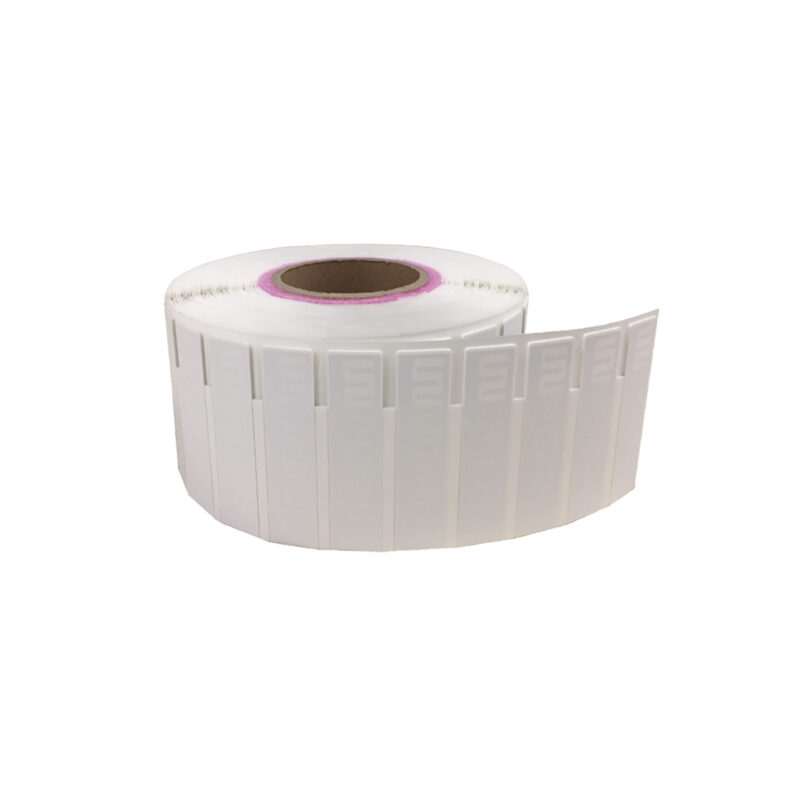
You want tags that do a job, not excuses — longer read range when you need it, batteries that survive real shifts, mounts that don’t peel off in the rain. Engineers care about electrical fit; buyers care about repeatable supply and predictable cost. If you’re comparing sample runs, include a line item for printed logistics and test labels such as RFID Labels from day one so lab tests mirror production conditions.

Frequency, power and the real read-range math
Decide the read-range requirement in meters, not vague categories. UHF active tags give long reads but need antenna tuning and proper transmit power; HF or NFC options suit short-range, secure handoffs. Match radio duty cycle to battery life: a tag broadcasting every second will die much faster than one waking every minute. Specify the maximum effective isotropic radiated power (EIRP) your readers can legally use in your target markets, then test tags with representative readers and real-world obstructions — concrete, steel racking, liquids.
Form factor, mounting and adhesives that survive the job
Pick the enclosure material to match the environment: ABS and polycarbonate for impact; potting for moisture. Antenna placement matters more than pretty shape — keep metal separation and clearance rules in the mechanical drawing. Adhesives vary: acrylic works on many plastics and glass, rubber-based bonds better on textured rubbers and painted metal. Test for peel strength at temperature extremes; failure modes are predictable if you match adhesive, surface prep, and expected temperatures.
Antenna design and onsite tuning
Antennas decide real performance. Use an RF engineer to check impedance match and resonance shifts when the tag mounts on different substrates. Bring a test rig and run reads across a grid of positions to map dead zones. Don’t rely solely on lab bench free-space numbers; they overstate performance near pallets, people, and machinery. Include S-parameter checks during proto to catch detuning early.
Manufacturing, certification and supply rhythm
Set minimum order quantities with realistic lead times and confirm certificate timelines. Active tags need approvals: FCC/IC in North America, CE in Europe, and often local radio approvals elsewhere. Factor RoHS, REACH, and battery transport rules into procurement plans. Keep a backup manufacturer for critical parts — antenna foil and batteries are common single-supplier risks. Avoid changing adhesives or encapsulants late; that’s where yield surprises appear.
Common pitfalls and the choices that cost you later
Over-specifying range for every use case inflates cost. Under-testing adhesives costs you in field returns. Assuming batteries will last the nominal spec without accounting for duty cycle and temperature is a recurring mistake. Neglecting reader diversity — different reader vendors and firmware versions — causes intermittent reads that are hard to replicate in lab reports. Build a simple acceptance test that mirrors the worst-case site scenario and require vendors to pass it.
Experience, standards and one real-world anchor
Years on both sides of the table teach this: standardized test methods and vendor transparency shorten development. Practitioners repeatedly reference conferences such as the RFID Journal LIVE! conference in Orlando for vendor demos and live interoperability testing; those sessions show how printable tag performance changes when you move from a bench to a warehouse floor. For hands-on comparisons and production-ready label options, check printable rfid labels that vendors often use to validate print adhesion and read consistency under real logistics cycles.
Cost versus lifecycle: the pragmatic decision
Buyers should calculate cost per useful year, not just unit price. A higher-cost tag that halves maintenance visits, avoids misreads, and keeps production moving will often be cheaper over five years. Specify replaceable battery modules only if your maintenance workflow will reliably swap them; otherwise prefer sealed, service-free designs and accept planned replacement intervals.
Final synthesis
Keep the user and the site first; pick frequency and power to match measured needs; demand real substrate and reader tests; lock down adhesives and approvals early. Teams that treat these steps as design requirements rather than optional extras find fewer surprises and steadier deployments, which is why many procurement and engineering groups eventually coordinate supply and testing through partners such as RSTC.