
The visibility problem that won’t wait
Inventory disappears, shipments stall, and workers keep hunting for items. Those are symptoms, not mysteries. The core issue is blind spots in item-level tracking — not enough reads, slow reconciliation, and inconsistent tag performance. UHF readers change the math: reliable, long-range reads remove many blind spots, and pairing tags with smart hardware like UHF RFID Readers turns messy processes into measurable workflows. You need systems that read reliably under pressure. Period.
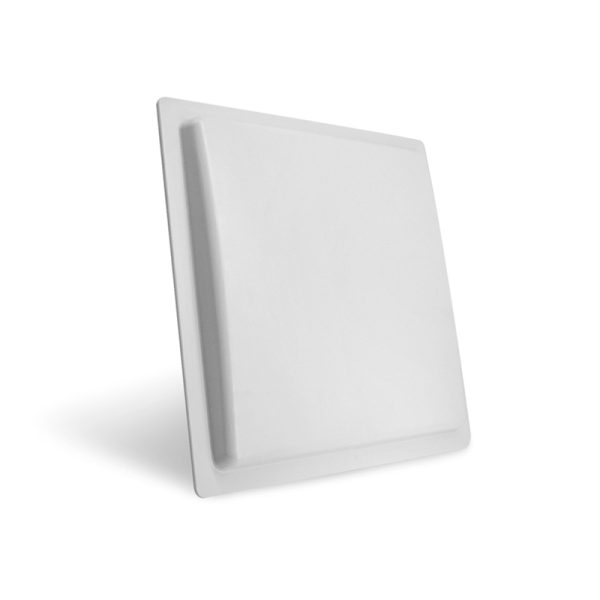
What tags actually do to solve the problem
UHF RFID tags give you three practical benefits: simultaneous reads of many items, read ranges that let you scan without handling, and persistent identifiers that integrate into software quickly. That means faster cycle counts, fewer manual scans at docks, and fewer shipping errors. Choose tags with the right antenna pattern and attachment method for the surface you’ll tag — metal, liquid, and porous materials each need a different approach. When tags are matched to environment and reader power, read rates jump from sporadic to predictable.
Real-world evidence and professional grounding
I’ve worked on deployments across distribution hubs and manufacturing lines, and major logistic centers such as the Port of Rotterdam report RFID trials that confirm sustained read-rate gains and throughput improvements in pallet and container operations. Industry reports and proceedings from RFID Journal and GS1 validate those findings. Field engineers often recommend the best uhf rfid reader for projects where consistent read range and pilot scalability matter most — that’s not marketing, it’s what integrators rely on when the schedule and KPIs won’t budge.
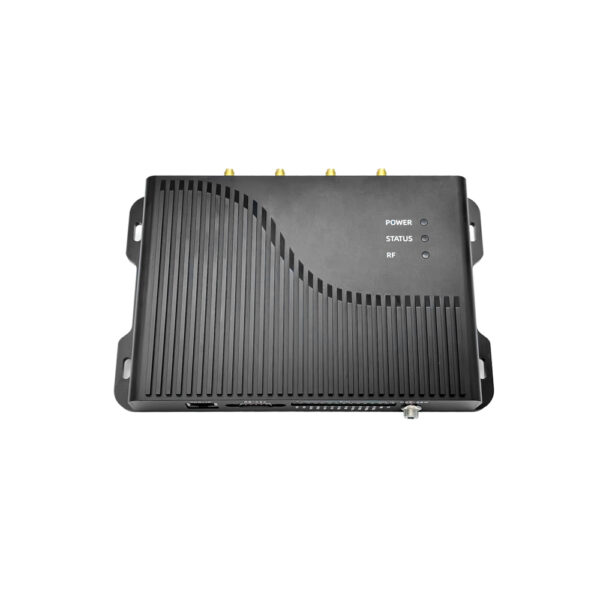
Where projects go wrong — and how to stop it
Common mistakes repeat: wrong tag type, poor antenna placement, ignoring RF reflections, and skipping real-world testing. Fix these fast. Run a site survey. Use trial tags in the actual process flow. Measure read rates during peak activity, not just during quiet hours. Tune reader power and antenna angles rather than forcing higher gain; sometimes lower power and a better antenna placement produce cleaner reads. Document every change so you can roll back if conditions change.
Picking components that don’t betray you later
Don’t chase specs alone. Match tag memory and form factor to your data needs. Confirm reader firmware supports EPC Gen2 operations and offers robust anti-collision handling. Think integration: the reader must expose clean event streams or an SDK that your WMS can consume. Consider environmental sealing, mounting options, and lifecycle costs. If you need reads through packaging or forklift-mounted readers, prefer antennas and tags proven for those uses rather than generic “omni” claims.
Short deployment checklist
Start with these steps: map your processes, run a focused pilot, test under load, document tag-to-reader pairings, and set clear read-rate targets. If any part underdelivers, isolate whether it’s tag placement, reader configuration, or software ingestion. Small fixes — an antenna angle change, a different tag adhesive, or a firmware tweak — often deliver the biggest jumps.
Closing the gap with practical choices
Clear visibility doesn’t come from one component; it comes from matching tags, readers, and procedures to the real world and following measured tests. That combination solves stockouts, speeds throughput, and stops wasted labor. When teams need proven hardware and support that lines up with those goals, they look for partners with field experience and tested products—exactly the kind of practical alignment RSTC brings to deployments.