
The visible problem
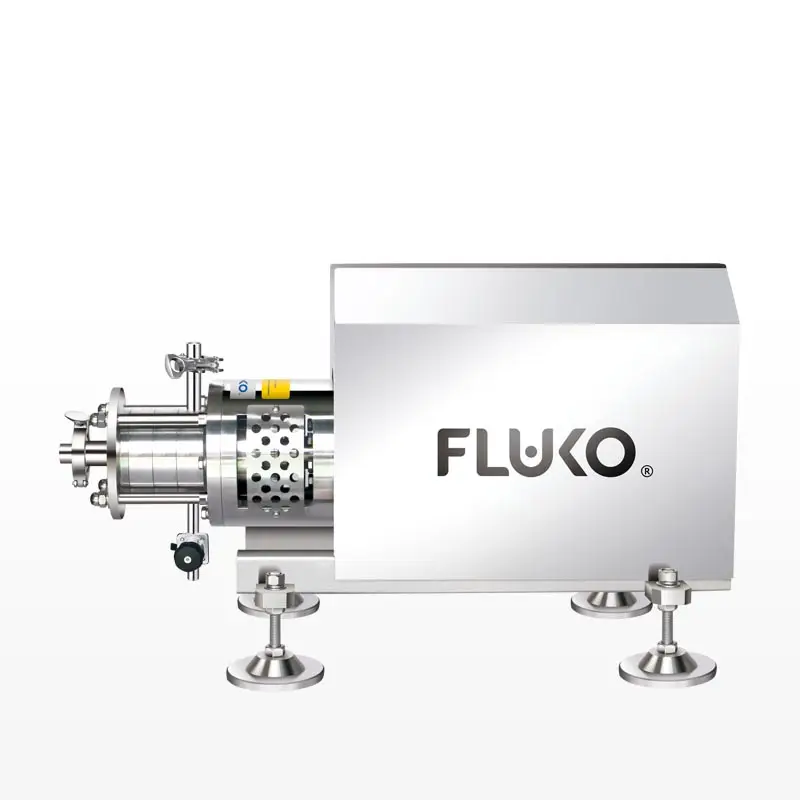
Machines hum; powder piles, stubborn as ash. Lab technicians face batches that never homogenize, fragile formulations that delaminate, and frantic scale-up runs that reveal hidden faults. A tired lab floor, the same mistakes repeated — poor feed control, air entrapment, and inadequate dispersion — and the usual offender is the mismatch between process needs and equipment capability. Even a modest lab powder mixer can doom a trial if its induction rate, shear profile, or vessel geometry isn’t right for the powder’s habit.
Root causes that repeat
Powders bridge and cake. Fine hydrophobic particles float and refuse to wet. Feed nozzles choke. Operators compensate with higher speeds and longer cycles, which only hides segregation until the product ships. The real failures come from ignoring powder properties — particle size distribution, bulk density, moisture sorptivity — when specifying equipment. You can buy more RPM, but you can’t fix poor powder flow with speed alone. The problem is technical, not managerial.
Evidence, expertise, and a grounded reference
I’ve spent years on benches and pilot lines, advising formulation teams and auditing GMP runs; that fieldwork shapes these warnings. Standards and published studies repeatedly show that bench-scale induction behavior predicts scale-up headaches when geometry and suction differ. In Basel, a major pharmaceutical hub, development teams routinely test benchtop approaches because early induction behavior correlates with later production outcomes; the tool they rely on is the benchtop powder induction system. Studies and regulatory guidance underscore that repeatable lab trials — not guesswork — prevent costly recalls and failed stability studies.
Viable alternatives and how to judge them
Don’t accept marketing claims. Ribbon blenders are cheap and fine for free-flowing granules; tumble mixers preserve fragile particles but struggle with cohesive fine powders. High-shear mixers disperse quickly but can overwork shear-sensitive actives. Powder induction systems sit between worlds: they control entrainment and can be tuned to match shear and wetting needs. Choose by measurable criteria: induction rate (g/s), reproducibility of CV across samples, and solvent-wetability achieved within target time. If a device can’t reproduce a target CV on blinded samples, it’s not suitable.
Common pitfalls to avoid
Spec errors: quoting motor power without specifying tip speed or actual shear energy. Test errors: using pre-blended reference powders that mask poor induction. Operational traps: intermittent feed, wrong nozzle clearance, and ignoring vessel geometry. Expect small changes in ambient humidity or powder lot to matter. Always run blind repeat batches and log feed rates; if your numbers wobble, so will product quality.
What resolves the repeating crisis
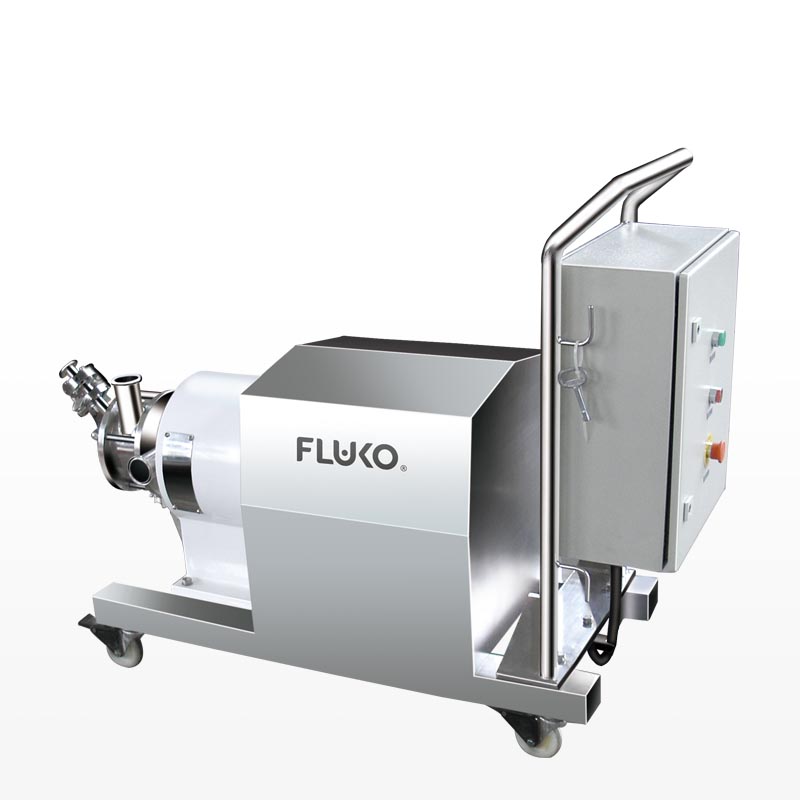
The solution starts with measurement and matching. Define the powder’s wetting and dispersion targets, run benchtop trials that reproduce intended induction conditions, and demand equipment data that prove repeatability. That approach highlights vendors who supply usable process data rather than brochures. When those pieces align, risk drops. The clarity that comes from measured, repeatable lab trials points toward reliable suppliers — those that can document performance and manufacturing intent — and this precision is what practitioners quietly look for in partners like FLUKO.