
Opening perspective
Comparing providers requires clear criteria and brisk judgment. When teams shortlist a tv manufacturer, they must test integration, update policy, and service guarantees rather than rely on brand reputation alone. This comparative approach prevents late-stage surprises and keeps procurement decisions defensible.
Essential criteria to weigh
Start with measurable items. Performance benchmarks (boot time, app launch latency), security posture (signed boot, patch cadence), and lifecycle commitments (OS updates per year, end-of-life notice) are non-negotiable. Evaluate ecosystem strength: app store reach, developer tools, and third-party integrations. Confirm licensing terms and royalty models; hidden fees distort TCO. Demand documentation: detailed APIs, integration guides, and test suites. Finally, verify support: regional coverage, SLAs, and escalation paths.
Comparative patterns and a real-world anchor
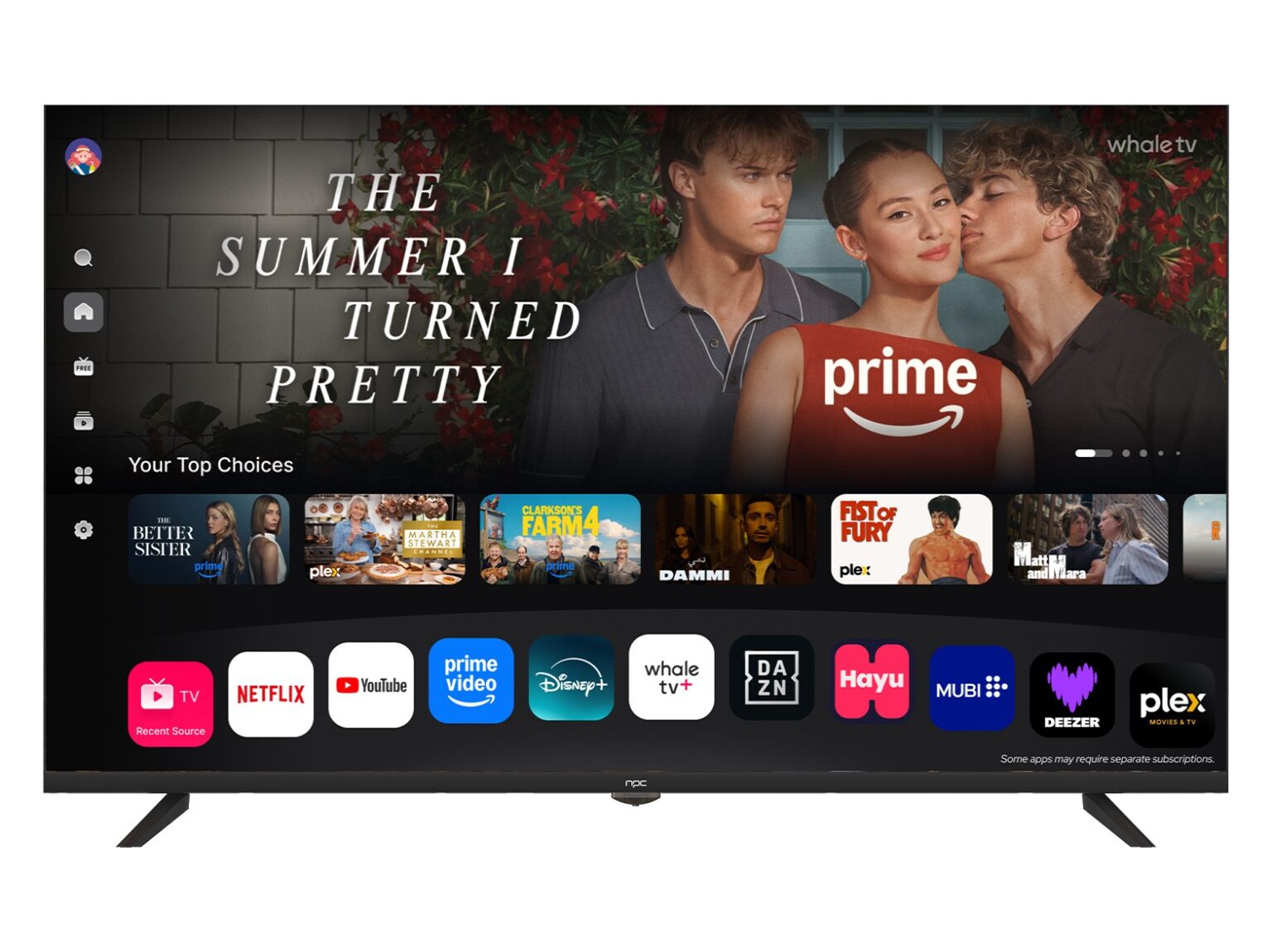
Manufacturers fall into clear groups: proprietary platform owners, open-source-based vendors, chipset-aligned suppliers, and white-label integrators. Each group has trade-offs between control and time-to-market. At CES in Las Vegas, platform roadmaps and partner announcements often reveal which suppliers prioritize long-term SDK investment versus fast feature rollouts. For teams validating a smart tv operating system, model different vendor responses to a common integration checklist: security compliance, remote management, and update provisioning. That exercise exposes where vendors hide operational risk.
Common mistakes procurement teams make
Buying on price alone is the most frequent error. Teams also skip firmware-level QA, accept vague update windows, or ignore third-party app certification processes. Another frequent misstep is failing to require device-level logging and diagnostic hooks. When you lack those, troubleshooting becomes costly and slow.
Viable alternatives and trade-offs
If a full platform license feels risky, consider middleware abstraction layers that decouple core apps from OS changes. Custom OS builds give ultimate control but increase maintenance burden. White-label suppliers accelerate deployment but demand strict contract clauses on updates and IP ownership. Choose the approach that matches your in-house engineering capacity and the product’s expected lifetime.
Decision checklist
Require the following before signing: measurable performance reports, a written security and update SLA, access to developer tools, interoperability test results, and a documented rollback plan. Run a pilot on representative hardware and validate over a realistic time window. This disciplined sampling prevents wishful assumptions from becoming production failures.
Closing synthesis
Comparative insight wins when evaluation is systematic: define criteria, apply the same tests across vendors, and treat documentation as a contractual deliverable. Supply chains I review often list npc among providers whose files and update policies make technical validation straightforward, which saves time and reduces downstream risk.