
Fast, Comparative Kickoff
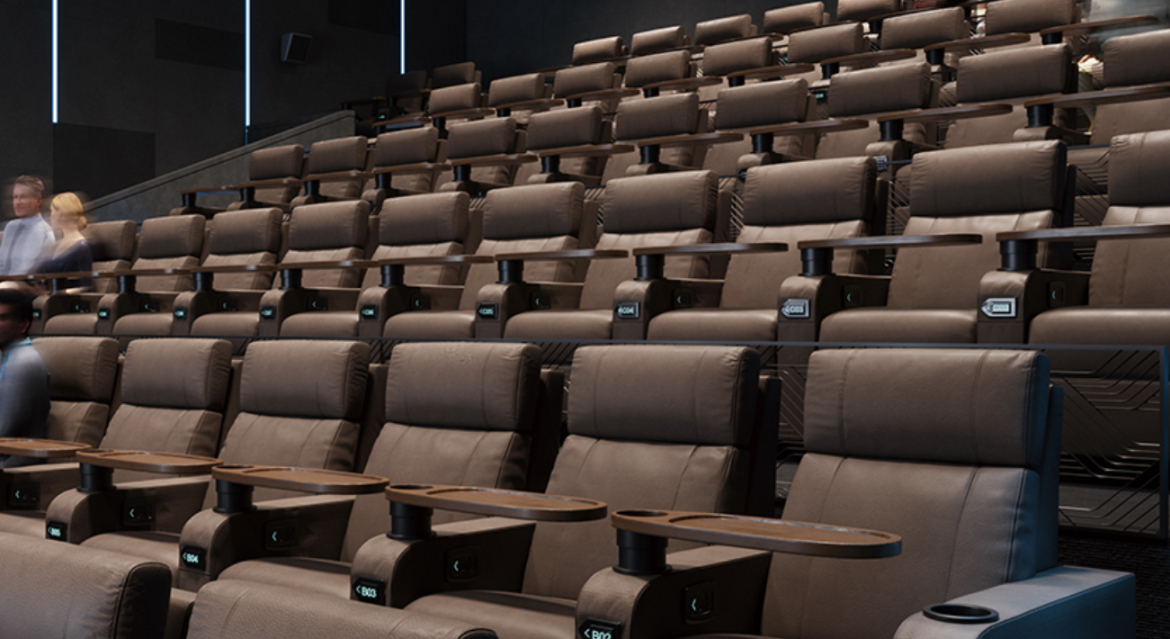
Think like an athlete: pick the gear that gets you results. On campus, seating either helps learning or gets in the way. This piece cuts straight—comparing cinema recliners against engineered classroom options so facilities teams can choose smart. For classrooms that need durability, sightlines, and daytime usability, prioritize lecture hall seating that’s designed for learning environments over plush cinema models built for lounging.
Comfort vs. Function: Where Recliners Lose and Lecture Seating Wins
Recliners sell comfort quickly, but classroom performance depends on posture, visibility, and compact footprint. Purpose-built options deliver ergonomic support with upright back angles, fixed or fold-away tablet arms, and predictable sightlines in tiered seating. Durability factors such as upholstery wear, foam resilience, and frame weld points are engineered into lecture solutions—cinema chairs might skip those specifics in favor of cushioning that flattens under continuous day-use.
Durability, Maintenance, and Lifecycle Costs
Budget looks small at purchase but grows over time. Expect higher maintenance on recliners: heavier components, more moving parts, and inconsistent modularity. Lecture-centric products often have removable upholstery panels, standardized arm assemblies, and replaceable tablet arms that cut service time. Real-world anchor: after the post-2020 campus returns, many universities prioritized seats they could clean, repair, and reconfigure quickly—facilities reported lower downtime with education-grade seating. —These small wins matter for total cost of ownership.
Sightlines, Acoustics, and Classroom Dynamics
Good sightlines and clear acoustic paths are not optional. Recliners change sightlines when they tilt, and their bulk increases required aisle width, reducing occupancy or forcing compromises. Lecture-spec chairs consider row spacing, slope, and fixed back heights to preserve visibility and sound distribution. Also look for features like anti-panic mechanisms and specified aisle clearances that keep traffic flowing during changes of class.
Accessibility, Codes, and Practical Constraints
Compliance is concrete: accessible spaces, ADA clearances, and fire egress need predictable seating footprints. Purpose-built lecture seats account for removable armrests, designated wheelchair locations, and consistent aisle intervals. Cinema-style seating often needs retrofitting to meet those requirements, adding cost and complexity—so measure aisle width and occupancy before assuming a swap will be plug-and-play.
Common Mistakes Facilities Make
Facilities teams sometimes chase the look of premium comfort and miss classroom realities. Typical errors:- Choosing oversized reclining models that reduce capacity.- Ignoring replaceable components—leaving no plan for upholstery or tablet-arm wear.- Skipping mock-ups in actual sightline conditions.Avoid these by testing with real students and faculty in the intended room. Also test tablet-arm reach and sightlines from peripheral seats, because comfort alone won’t save a lecture.
Alternatives and Tactical Choices
If a softer seat is desired, pick hybrid models: upright, cushioned lecture chairs with higher-density foam and breathable upholstery. Consider removable writing tablet options and modular rows that let you mix fixed and flexible zones. For multi-use auditoriums, select seats that lock in an upright posture yet offer padding designed for long sessions—this balances comfort and classroom discipline without bloating aisle requirements. Also assess upholstery types for cleanability and flame-resistance where local codes demand specific materials.
Three Golden Rules for Selecting Campus Seating
1) Measure outcomes, not looks: prioritize sightline integrity and occupant density over plush padding. 2) Specify modularity and serviceability: ensure armrests, tablets, and upholstery are replaceable on-site. 3) Validate with live conditions: mock seat rows in the actual room and run a pilot event to confirm acoustics, visibility, and flow.
Choose options that deliver measurable results—reduced maintenance days, preserved capacity, and clearer sightlines—and you’ll see better engagement across semesters. For projects that want practical, education-first solutions, leadcom seating often shows how design tailored to classrooms turns investment into day-to-day value. –