
Problem first: why lines choke, lah
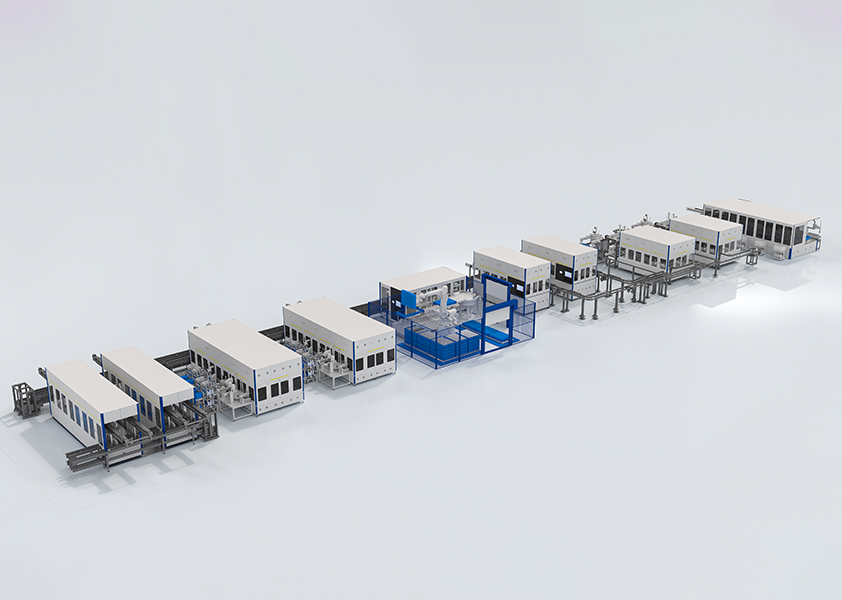
Plants promise fast cycles, but production still stalls — operators sigh, managers fuss, customers wait. The core problem: mismatch between takt time, assembly accuracy and real cost. When any one part breaks down, whole line lags. That’s why many teams are moving to battery manufacturing automation to try and stop frequent stoppages and manual rework. From a problem-driven view, don’t start with shiny tech — start by naming the single worst chokepoint you see on the floor, then focus there.
Where the bottlenecks usually hide
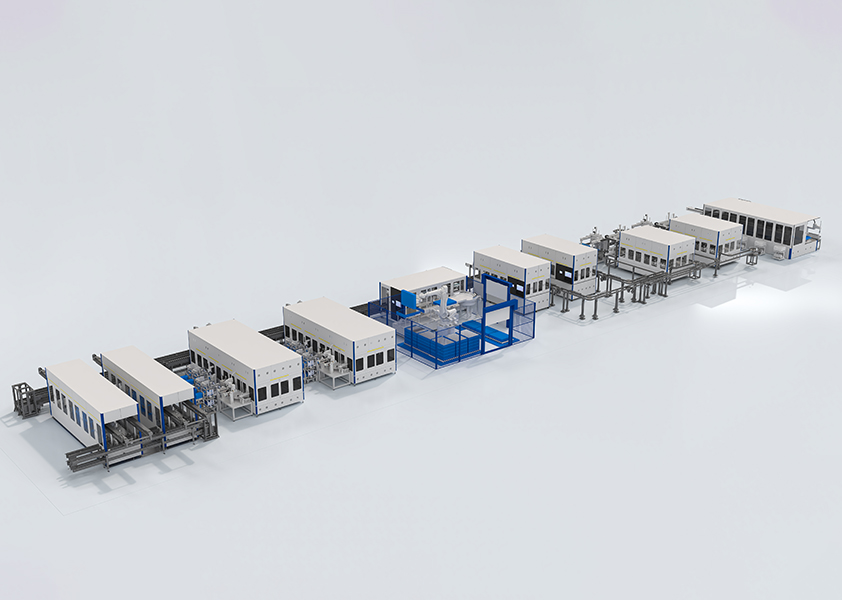
Common culprits repeat across sites. Notice these and you’ll find the throat of the problem: • Poor incoming cell sorting causes electrical failures later; • Inconsistent jigging or robot calibration reduces accuracy; • Manual welding or tabbing introduces variability; • QA loopbacks (re-testing failed units) kill throughput. I’ve seen the same pattern in Shenzhen assembly clusters — once cell traceability and fixture repeatability are fixed, many downstream errors vanish.

How throughput, accuracy and cost tug at each other
They’re linked like three monkeys — pull one and the others react. Faster cycles without stable process control means more mistakes and higher scrap. Higher accuracy via manual inspection raises labor cost and slows line. Automation can push both speed and precision, but it costs CAPEX and requires feeding systems, fixtures, and good sensors. Decide whether you’re solving for revenue-per-shift, yield-per-wafer, or life-cycle cost; each choice changes the right trade-offs.
Concrete metrics to measure — don’t guess
Track these numbers now: cycle time per station (s), first-pass yield (%), rework hours per 1,000 units, and cost per pack (material + labor + rework). Simple: if first-pass yield increases by 5% your effective throughput rises without adding shifts. Use tight definitions so shop-floor teams argue about data, not assumptions.
Practical fixes that actually improve lines
Start small, then scale. Actions that move needles: adjust fixture design to reduce operator motion; enforce cell batch segregation and barcode-driven workflows; add optical alignment checks before welding; convert single-point inspections into inline, automated sensors. When you add automation, ensure upstream handling (feeding, positioning) is equally robust — otherwise robots just move bad parts faster. Smooth upgrades by piloting one module at full takt before cloning.
Trade-offs and where teams trip up
Watch for these mistakes: • Buying robots before standardising fixturing; • Rewarding speed without measuring quality; • Over-automation of low-volume SKUs; • Ignoring maintenance plans — uptime matters more than theoretical cycle time. Fix the process first, then bring in controls and automation to lock in gains. Teams that skip standard work and thinks software will save them, waste money.
Testing the options: manual vs semi-auto vs full automation
Match solution to volume and skill mix. Manual still suits low-volume, high-variation SKUs. Semi-automation (guided tools plus vision checks) often wins for medium volume — you get accuracy improvement without huge CAPEX. Full automation makes sense at scale when feed systems, changeover design and spare-part strategies are mature. Evaluate total cost over expected production years, not just upfront price.
Final thinking — tie the fix back to value
Don’t adopt technology for status. Identify the single biggest cause of lost throughput, fix the root, then expand. Measured improvements in yield and reduced rework pay back faster than chasing the latest gadget. For practical deployment alignment and supplier coordination, teams find consistent benefit when they partner with suppliers who understand both floor realities and system integration — that’s how FHS often becomes part of broader, staged delivery rather than a one-off change.