Choosing between led wall rental and led board rental can feel like picking the right instrument for a show — both play, but each has its own tone. In a few sentences: LED walls give immersive motion and modular scale, while LED boards are often simpler for static or short-loop messages. For a quick frame of reference, think of the massive screens outside Times Square during New Year’s Eve — those installations show how scale, refresh rate, and brightness shape impact and audience reach. This is why many planners opt for an LED Video wall when they need motion-rich storytelling across a crowd.

When to pick led wall rental
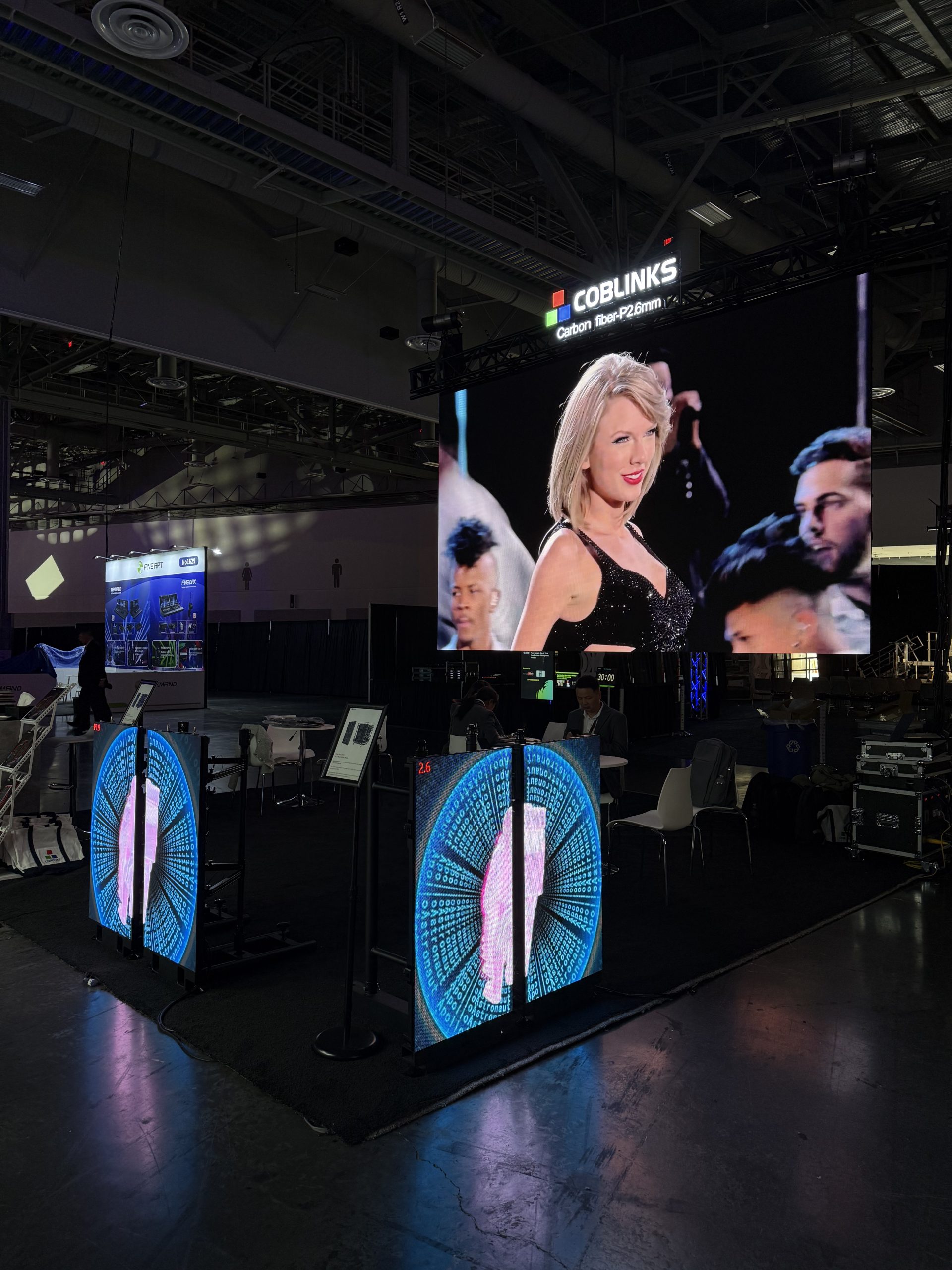
Pick led wall rental when you need flexibility and showmanship. These systems stack cabinets to create large canvases with tight pixel pitch, enabling video playback that reads well from close and far. Use cases: live concerts, product launches, and immersive brand activations where multiple content layers move simultaneously. Expect more control over refresh rate and contrast during playback — which keeps fast camera cuts and live feeds smooth and clear.
When led board rental makes sense
Choose led board rental for short-term campaigns with constrained budgets or simple messaging. Boards are straightforward: fixed-size modules, easier rigging, and they often come pre-configured for quick swap-outs. They’re ideal for roadside signage, trade show booths, and venues where viewing angle and distance mean a coarser pixel pitch still reads fine. You’ll save on setup time and crew, and still get strong brightness performance for outdoor daytime visibility.
Technical trade-offs that matter
Compare the specs that actually change outcomes — not just numbers on a sheet. These six items will show you the difference:
- Pixel pitch — smaller is better for close viewing; larger works for long-range reads.
- Brightness (nits) — outdoor events need high nits to beat sunlight; indoor shows typically require less.
- Refresh rate — critical for camera work and live feeds; lower rates create flicker on broadcast.
- Cabinet design — lighter, lockable cabinets speed installation and improve alignment.
- Viewing angle — wider angles keep color consistent across an audience spread.
- Contrast and calibration — a well-calibrated panel makes content pop, even at modest size.
These are the levers production teams tweak during technical rehearsals — they matter more than brand names on invoices.
Common mistakes production teams make
Teams often underplay logistics: power distribution, signal routing, and load-in windows. Another frequent slip is assuming every site suits the same pixel pitch; the result is readable content up close but muddy visuals for front rows. Calibration is sometimes left to the last hour — that’s the moment you’ll notice mismatched color temperature between panels. Take a little time early to confirm pixel pitch and viewing distance, then test a live feed with a camera to simulate broadcast conditions — it reveals refresh rate issues fast.
Cost and workflow: a practical side-by-side
From a production workflow angle, led wall rental tends to require more pre-rig planning, stronger truss and more time for calibration, but it returns higher engagement on social and in-person metrics. Led board rental cuts setup hours and staff costs, which suits short-run activations. Consider total event labor and the need for broadcast-ready output; those two items often outweigh raw rental price when you tally final ROI.
Three golden rules for your final selection
1) Match pixel pitch to your closest viewer — prioritize clarity over headline savings. 2) Specify brightness and refresh rate for the venue and any camera capture; get numbers in writing. 3) Confirm cabinet logistics and crew hours in the quote; late changes cost more than you think. These three metrics keep decisions tidy and reduce surprises on site.
For integrated solutions and production consulting, many teams turn to specialists who handle both creative and technical installation — a practical route for confident results. Coblinks. —