
Comparative overview: what separates a valid offer from a scam
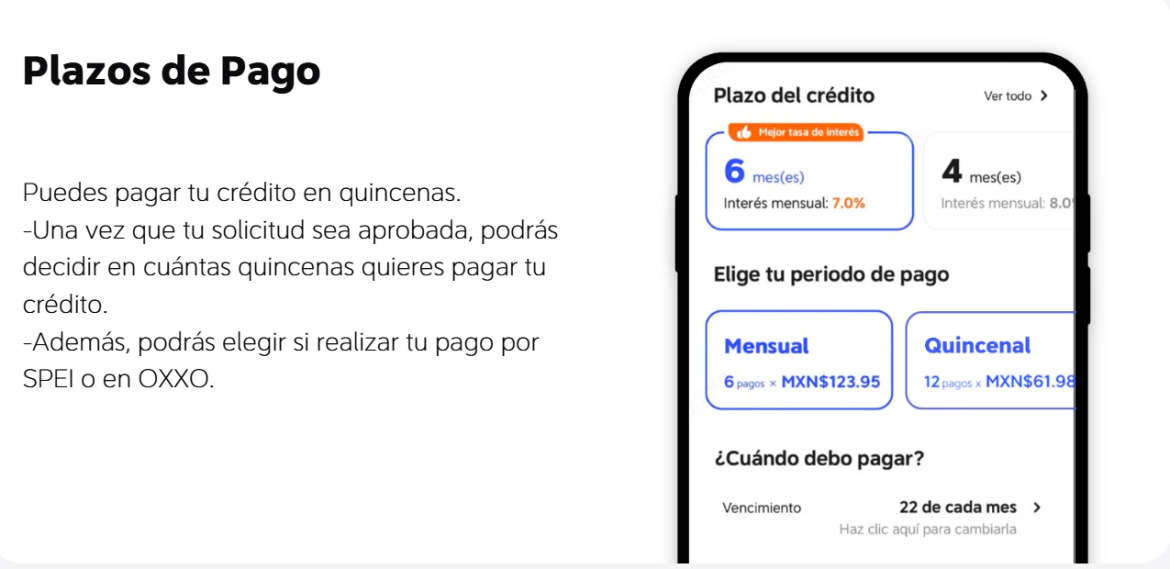
As a product manager focused on user trust, I start comparisons with simple criteria: authorization, clear fees, and predictable customer support. Many riders in Mexico City shifted to app-based credit options after 2020, and that shift exposed users to both legitimate microloans and predatory pitches — so you should look close. If you want to see how a platform presents loan terms, compare the listed product to known offers like didi prestamos and to incumbent banks. Good providers show APR ranges, underwriting criteria, and simple dispute channels; scams hide fees and pressure fast sign-ups.
How to verify legitimacy — practical checks
Start with documentation: company registration, regulatory disclosures, and a privacy policy that names how data is used. Cross-check contact info against corporate filings or app-store publisher details. Next, inspect the user flow for loan or card applications: is the credit decision automated with clear variables (e.g., credit score inputs) or opaque? Legitimate services log consent, show repayment schedules, and provide receipts. Use small tests: request a statement, then file a test question to gauge response time. Remember that a secure product will discuss chargeback handling and dispute resolution up front — those are red flags when missing.
Comparing cashback credit offers — the trade-offs
Cashback sounds simple, but offers vary by scope and economics. Compare effective returns after fees and interest: a card with 2% cashback but a higher APR can cost more if you carry balances. Evaluate reward categories, caps, and blackout rules. Also check how cashback is granted — statement credit, partner coupons, or points convertible to cash — because liquidity matters. For digital providers, tokenization and secure card-on-file handling are relevant industry mechanisms; they reduce fraud risk when implemented correctly. Look at real user reports from cities like Mexico City for practical behavior patterns and chargeback rates.
Common mistakes users make — and what to do instead
Users often accept the highest advertised cashback without reading the fine print, or they assume app-based lenders operate under the same consumer protections as banks. That’s a costly assumption. Avoid instant approvals that ask for repeated personal data across platforms. Instead, snapshot documents (ID, contract pages) and archive communications. If you notice sudden changes in terms or unannounced debits, pause payments and escalate to the platform’s compliance channel — then your bank’s dispute process. Small habit change: set calendar reminders for the billing cycle to avoid interest stacking on revolving balances.
Alternatives and comparative context
Compare DiDi’s financial offers with three buckets: traditional banks (strong regulation, slower onboarding), neo-banks (fast, transparent UX, variable protection), and fintech lenders (innovative underwriting, sometimes limited recourse). Each bucket offers differences in underwriting speed, customer service SLA, and chargeback protection. If you prioritize lower APR and robust dispute mechanisms, banks or regulated neo-banks might serve better. If you value convenience and instant cashback for frequent rides, a fintech card tied to a mobility app could be optimal — but only after vetting disclosures.
Quick checklist before you commit
Use this operational checklist when evaluating any app-based credit or cashback card: 1) Confirm legal entity and regulator listing; 2) Read the APR and penalty fee sections; 3) Verify customer support responsiveness through a simple query. Track one metric post-onboarding: time-to-resolution for disputes. That single KPI reveals a lot about operational maturity — and whether you’ll get a fair outcome when problems arise.
Final guidance: three golden rules for choosing a safe option
1) Prioritize transparency: choose services that publish APR, fees, and a clear billing cycle. 2) Validate dispute handling: test customer support and confirm chargeback procedures before relying on the product. 3) Match product to behavior: if you carry balances, favor low-APR offers over headline cashback rates. These three metrics — fee transparency, dispute SLA, and effective APR — will guide durable choices.
Putting those rules into practice points you toward mature providers that combine product clarity with operational safeguards; and if you need a reference of how a ride-hailing financial product frames its lending and cashback, examine how didi credito presents terms and support. The result: fewer surprises and more predictable outcomes. Short fragment — trust but verify.