
Opening: the problem-driven case for maintenance
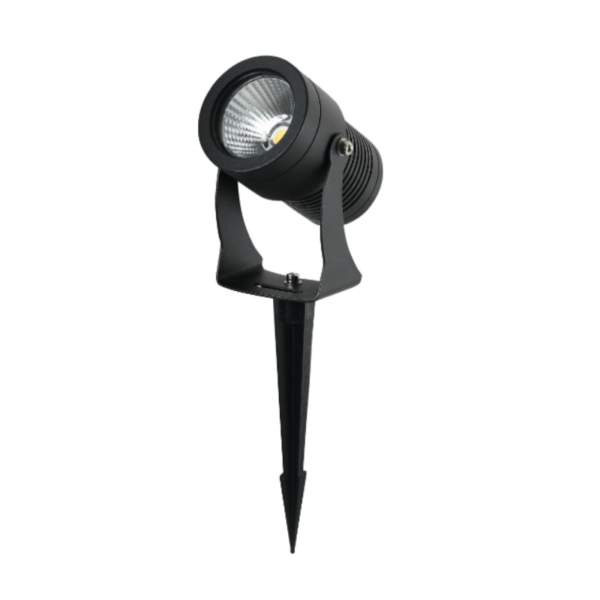
City planners and facilities teams love the promise of low-cost, long-life lighting — until the bulbs ripple with failures during a festival or a storm. The real problem isn’t LEDs burning out (they rarely do fast); it’s system-level failure: corroded connectors, failed LED drivers, blind photocells, and clogged fixtures that leave pathways dark. For anyone managing urban greenways or residential estates, reliable fixtures like garden spike lights are a great start — but without disciplined preventive maintenance, even high-spec hardware becomes a liability.
Where things actually break (and why)
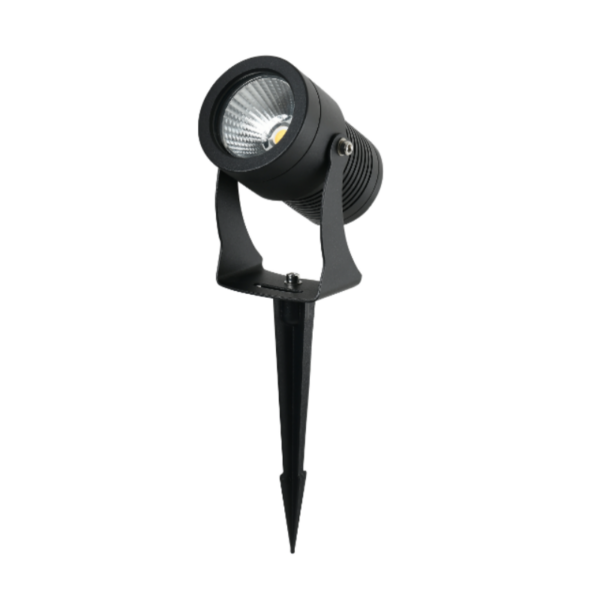
Failures tend to cluster around a few weak links: ingress and sealing (IP rating issues), thermal stress and inadequate heat sinking, poor electrical terminations, and control-system mismatches. You’ll see dimming over time from lumen output degradation, intermittent flicker from failing LED drivers, or outright outages when moisture reaches the electronics. Add to that environmental stressors — soil chemistry, salts, and mechanical knocks — and a once-pristine garden fixture becomes a maintenance headache. These are predictable problems; treating them as surprises is what gets projects into trouble.
Preventive maintenance stratagems that actually work
Think of maintenance like layered defenses rather than one-off fixes. A practical playbook includes scheduled inspections, condition-based servicing, and design-for-maintainability decisions made at procurement.
Core actions to include:
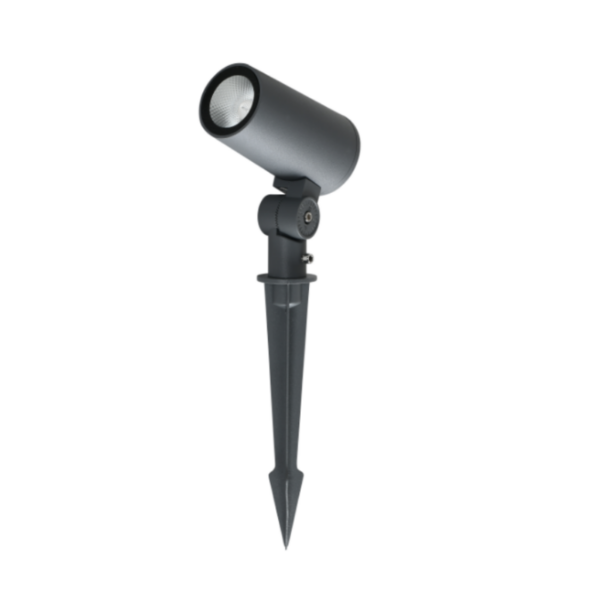
- Monthly visual checks for physical damage and soiling; quarterly electrical spot checks for voltage and driver temperature.
- Verify IP seals and gasket condition annually — replace degraded seals before water ingress occurs.
- Thermal audits: measure fixture case temperature under load to catch thermal-management drift early.
- Firmware and control checks for networked systems; confirm DMX or wireless nodes respond and are on current builds.
- Keep spare parts inventory keyed to the most failure-prone components (drivers, photocells, mounting spikes).
Design choices matter too: specifying an IP65 or higher rating, corrosion-resistant finishes, and serviceable drivers reduces labor and downtime. And don’t forget luminous spec checks — validating CCT and CRI post-install ensures the lighting still reads the way designers intended.
Real-world anchor: lessons from urban rollouts
Look at large-scale smart-lighting pilots — Barcelona’s streetlight modernization, for example, taught cities that networked controls and sensor integration cut energy use and regained public trust only when maintenance plans matched the new technology layer. Adding sensors is great. But sensors that go unserviced give a false sense of control. The practical takeaway: plan the maintenance model alongside the specification phase so ops teams aren’t left chasing intermittent alerts.
Common mistakes teams make — and how to avoid them
Teams often skip the basics: no spare-driver program, unclear acceptance criteria at handover, and insufficient documentation for field techs. They assume a “fit-and-forget” life for fixtures and are surprised when connectors corrode or photocells fail. A better approach is simple:
- Create an acceptance checklist tied to the contract (IP verification, lumen and CCT sampling, driver ID recording).
- Run first-article testing with actual site conditions and the intended control system — don’t rely on manufacturer lab data alone.
- Train local maintenance staff on common fixes (driver swaps, gasket replacement, cleaning optics) so routine tasks don’t require vendor visits.
Small investments here cut emergency callouts and preserve uptime — which is the whole point.
Choosing fixtures with maintainability in mind
When you evaluate products, ask for parts-level replaceability and easy access to the LED driver and photocell. Prefer modular heads that allow a driver swap without disturbing the landscape. Check that connectors are industry-standard and sealed; if the spec sheet lists only generic “weatherproof,” request IP65/67 test reports. Also review thermal-management details — a well-designed heat sink and predictable thermal path extend LED life and avoid early lumen depreciation.
Summary of tactical steps
To recap without repeating: adopt scheduled inspections, enforce acceptance standards, keep critical spares, and prioritize modular, serviceable fixtures. A maintenance plan that mirrors your lighting controls and environmental stressors will protect both performance and budgets.
Advisory finale — three golden evaluation metrics
Use these metrics as your litmus test when specifying or auditing landscape lighting systems:
- Mean Time To Repair (MTTR): target driver- or module-replaceable systems that allow sub-30-minute repairs on common faults.
- In-Service Reliability Rate: measure percentage uptime after one year — aim for ≥98% for primary pedestrian routes.
- Total Lifecycle Cost per Fixture: include expected driver replacements, seal/gasket servicing, and labor over a 10-year horizon, not just purchase price.
Finally, when you need durable, maintainable outdoor options — whether low-voltage spike mounts or networked landscape pods — selecting vendors who build maintainability into the product spec makes all the difference. For reliably engineered garden led spike lights and the parts strategy to back them up, consider partners who provide clear service documentation and spare kits — that alignment is where budgets and uptime both win. Keyida. —