
Myth first — then the truth
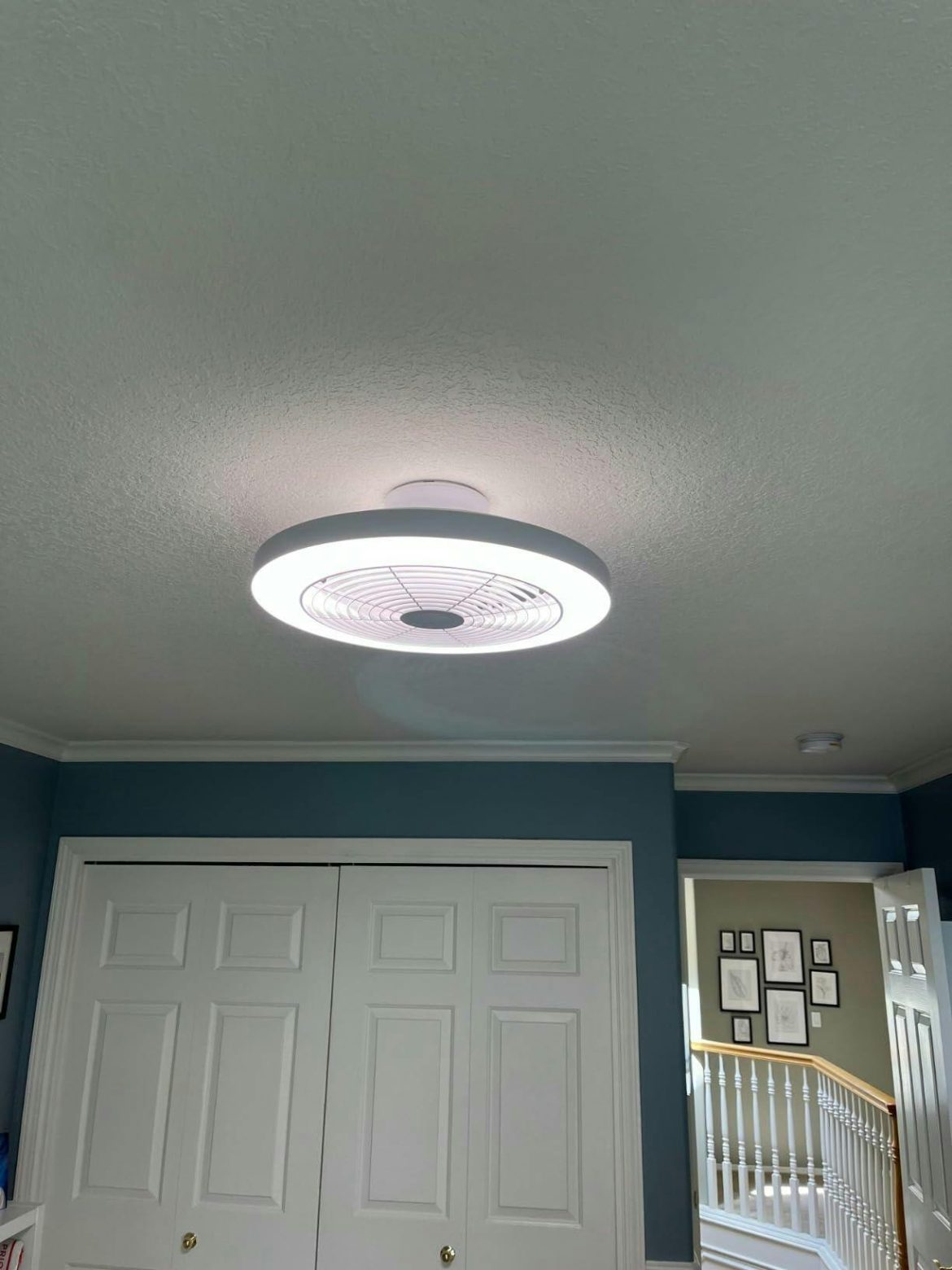
People say noisy fans are normal. Not true! I’ll show you why hums and wobbles happen and how clever design can stop them. Think of a fan as a tiny wind machine — if its parts are shaky, the wind gets noisy. Some families like to try a bladeless ceiling fan with lights and find the whole room feels calmer. This piece will bust myths step by step, in a simple, playful way.
Why fans hum and wobble
Hums come from the motor and loose bits. Wobble comes from bad balancing or bent blades. A plain old fan has moving blades and bearings that can wear. When bearings roughen, you hear a motor hum. When weight is off, the fan wobbles. Those are the real causes — not some magical “fan mood.”
How bladeless and smart designs quiet the room
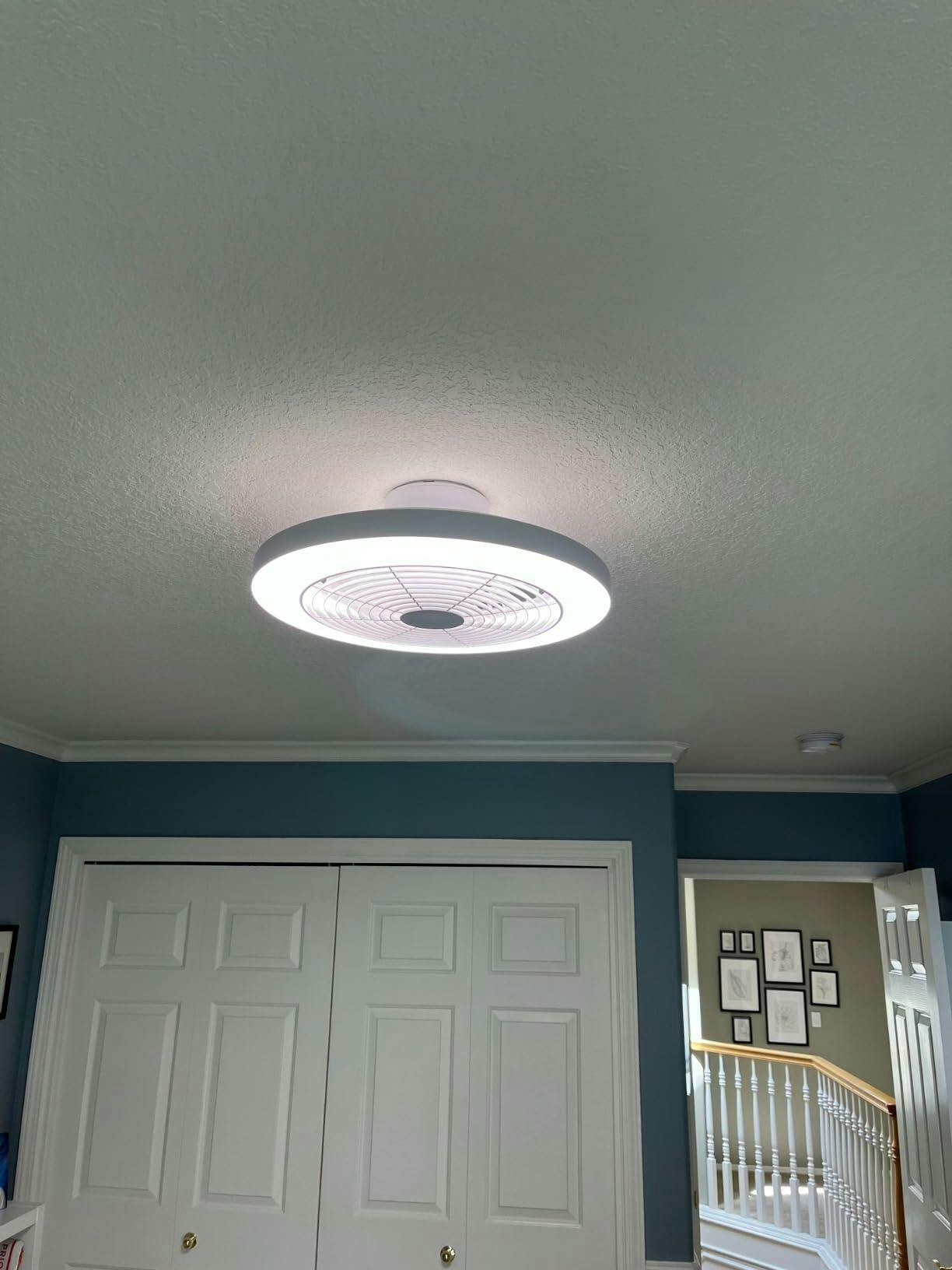
Bladeless designs use smooth airflow and fewer moving parts. That means less vibration and less chance of a motor hum. Smart fans add a gentle DC motor and steady oscillation control so the breeze feels smooth. The idea is simple: control the airflow and stop the shaking. Also, good vibration isolation and tight assembly help a lot. A quiet, modern unit like a bladeless ceiling fan with led light can lower noise and make bedtime nicer.
One home test you can try — quick and easy
Hold a cup on a table and turn the fan on low. If the cup trembles, the fan is sending vibration through the ceiling or mount. That means the mount or balance needs checking. If the noise sounds like a steady hum, try a different speed — a bad bearing often gets louder at certain speeds. These simple checks help you talk to a seller or technician with confidence.
Common buying mistakes — small things, big trouble
People often pick fans by look only. They forget to ask for specs like decibels, motor type, and airflow (CFM). They assume all oscillation is smooth. — Also they skip checking for proper mounting hardware. These tiny skips can turn a pretty fan into a noisy problem. Ask for documented noise levels and whether the motor uses vibration isolation before you buy.
A real-world note to keep it grounded
Quiet matters. The World Health Organization suggests nighttime noise around 40 dB for good sleep, so a fan that keeps sound low helps real people rest. Cities like London and New York see lots of night noise, so home quiet is not just nice — it’s useful. Remember that when you compare options.
How to compare fans like a pro (but simple!)
Look for these clear things: motor type (DC motors run quieter), noise rating in dB, and whether the fan has balancing or anti-vibration mounts. Check warranty and whether the maker tests assemblies. If an option offers both smart controls and smooth aerodynamics, it usually wins for comfort and energy use.

Three golden rules to pick the right quiet fan
1) Check the noise number: choose fans rated close to or below 40 dB for bedrooms. 2) Ask about vibration control: look for balanced design, good mounting, and isolation. 3) Favor smooth airflow and modern motors: DC motors with steady oscillation give calmer breezes and better efficiency.
Pick by those rules and you’ll get a fan that sings softly instead of shouting. If you want a tidy, family-friendly fix that blends quiet airflow and smart control — Orison. –