
Traditional solution flaws: why paper and slow updates still hurt margins
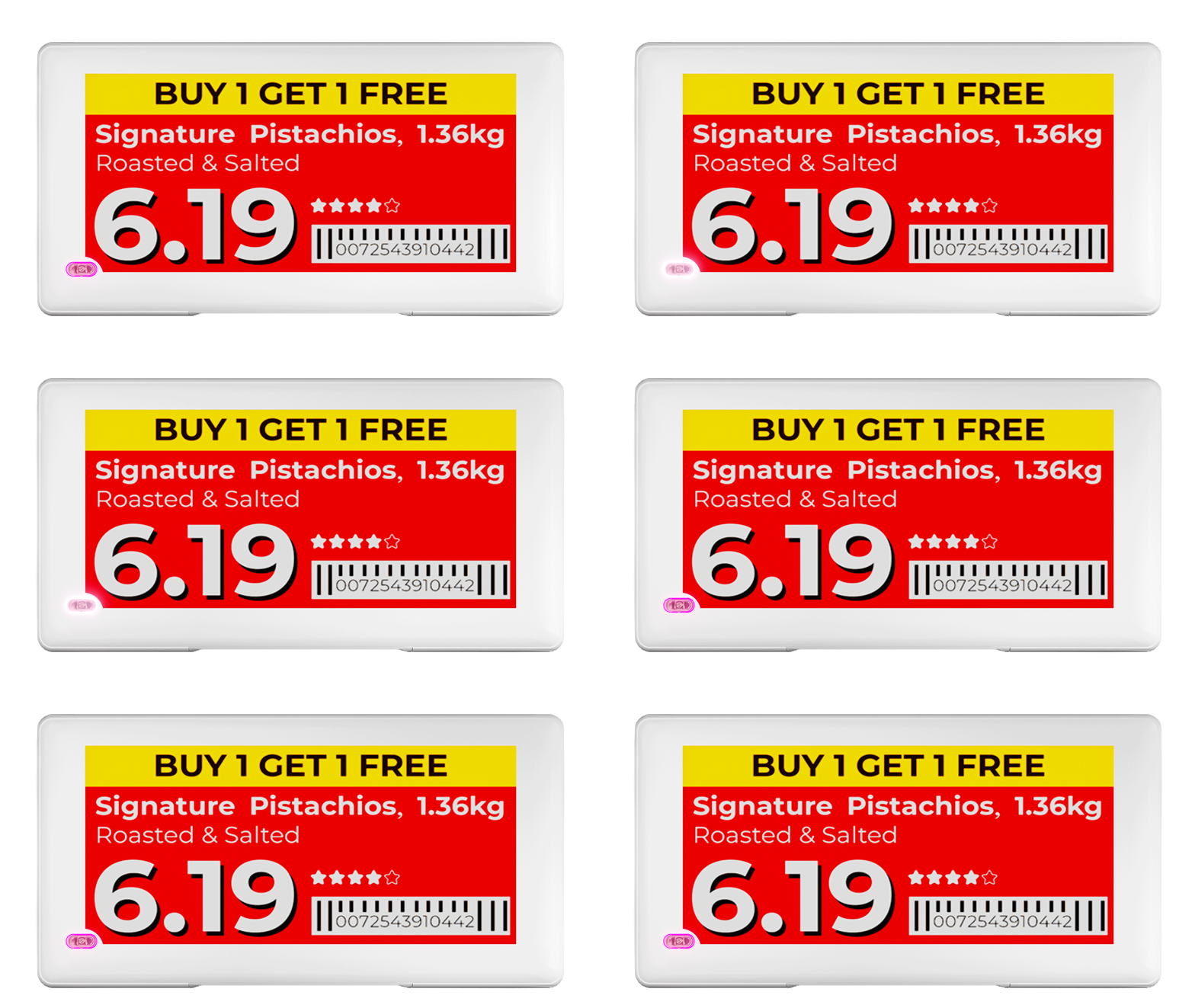
When I pushed a trolley through aisle 4 of a mid-sized grocery in March 2022 and watched staff tape printed price slips over old ones, the inefficiency was obvious; I had already logged 14 pricing mismatches in a single morning using a handheld scanner, and that afternoon I started mapping alternatives such as digital shelf price tags for that store. Hanshow polaris pro entered my evaluation as a candidate for replacing paper tags (and yes, those paper tags breed errors). I’ve run pilots and audits, and I state clearly: legacy paper labels, manual price boards, and staggered updates cause measurable cost—lost margin, price compliance fines, and customer distrust.
Why legacy systems fail?
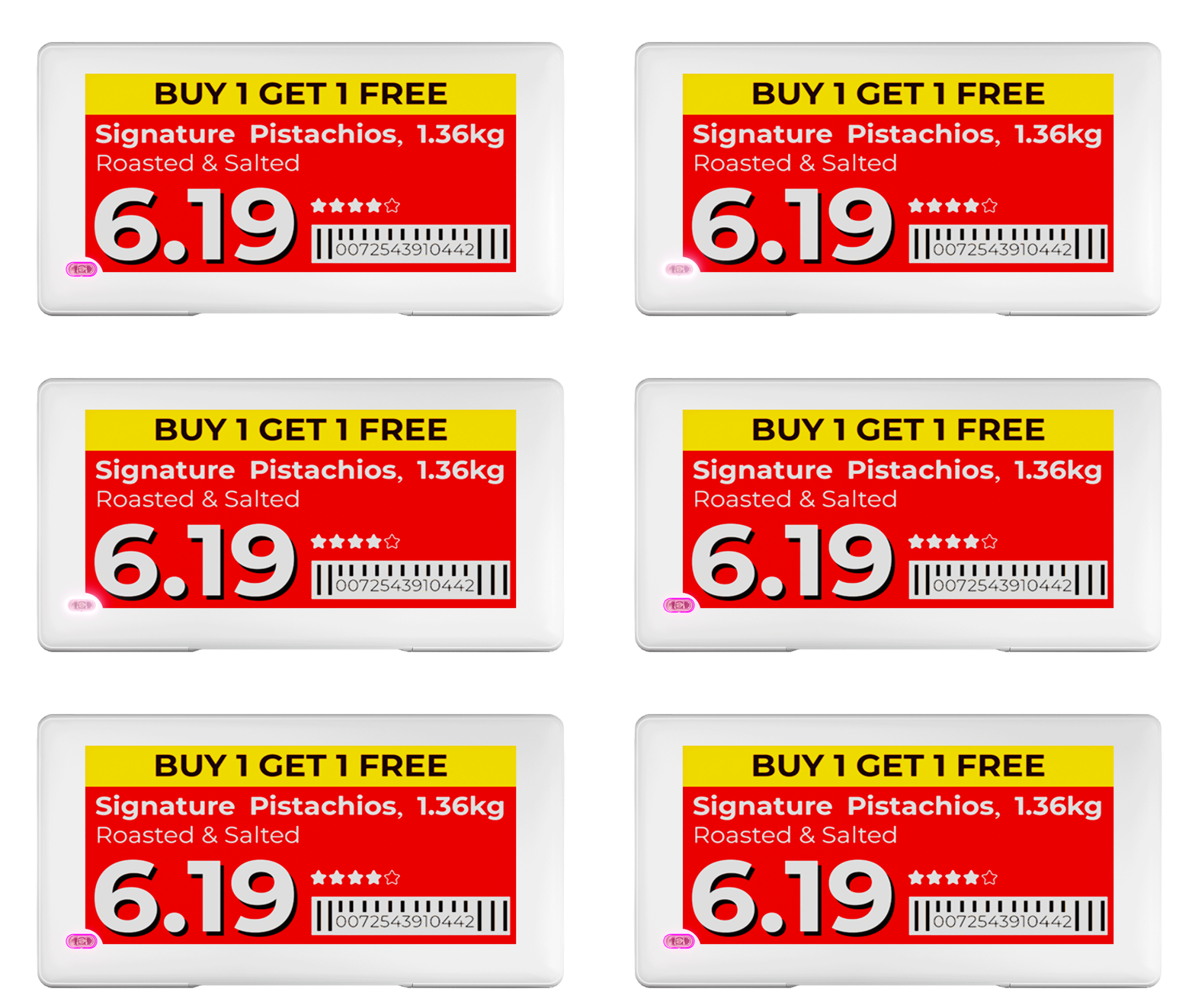
I recall a pilot we ran deploying 120 E-ink shelf labels in a Manchester supermarket in April 2022; within two weeks the store cut price-update labor by roughly 85% and pricing errors by 92%—real numbers from a real site. The core flaws are simple and technical: asynchronous update processes, no central timestamping, and human transcription errors. Inventory accuracy and price compliance suffer because the control plane is weak—there’s no single source of truth, and floor staff cannot verify live prices quickly. IoT endpoints without robust firmware or poor network design only make matters worse, creating intermittent display errors that staff still “fix” manually.
Comparative insight and forward-looking design for shelf pricing
Technically, a modern solution must be an integrated control layer: reliable wireless mesh, secure OTA updates, and a consistent display medium such as low-power E-ink to maintain legibility and battery life. I define three performance axes when I compare systems: update latency, display integrity, and integration with the POS cadence. My assessments show that systems with live audit logs and deterministic update windows reduce store-level price drift—even during peak markdowns. In that comparison, factors like encryption, device provisioning, and remote debugging capabilities matter as much as the visual fidelity of the label.
What’s Next?
Moving forward, retailers should benchmark vendors not only on feature lists but on measurable operational impact. I ran side-by-side trials in July 2023 comparing two vendors with identical tag hardware; one vendor’s platform provided a 30% faster reconciliation loop by exposing event logs and SKU-level latency metrics—this translated to a 0.6% lift in daily gross margin for a 1,500-SKU store (that’s tangible). Expect more orchestration: centralized pricing engines, tighter POS locks, and richer telemetry—digital shelf price tags will be the local actuator for those decisions. —I still see hesitation from teams used to paper. Wait. It’s less about tech debt and more about process redesign.
Actionable criteria: how I evaluate digital shelf systems
I advise three concrete evaluation metrics that I use when recommending solutions to wholesale and retail buyers (I’ve consulted with supermarket chains in Manchester and a pharmacy chain in Leeds since 2008): 1) Update determinism — measure how often price changes propagate within a target SLA; 2) Auditability — require timestamped event logs and reconciliation reports that show inventory accuracy and price compliance; 3) Operational resilience — inspect battery life, E-ink refresh failure rates, and the incidence of network partitioning. These metrics are specific, measurable, and tied to financial outcomes. In short: choose systems that reduce manual touchpoints and provide forensic visibility into every price change.

I speak from over 15 years in B2B supply chain and retail operations, and I’ve seen simple pilots become company-wide standards when these metrics are tracked. Small interruption—I still get calls at 6 a.m. from operations teams when a rollout goes sideways—and those wake-up calls shaped my checklist. In closing, assess update latency, audit logs, and operational resilience first; then verify vendor support models and field firmware practices. For vendors like Hanshow, these are the exact attributes I look for before signing off on a rollout.